
Trees
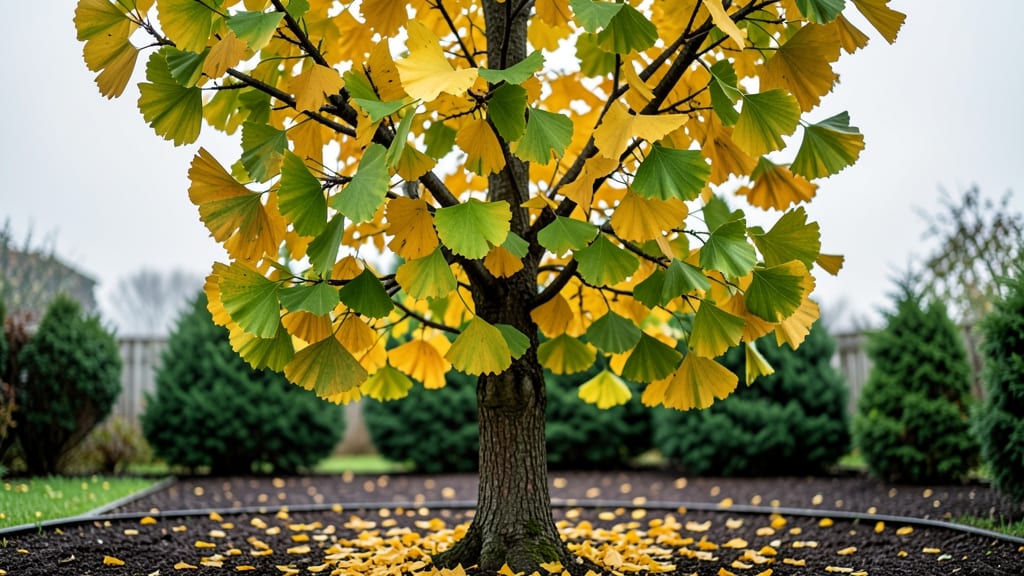
Your ginkgo tree's yellow leaves aren’t a death sentence—they’re a call for action. 🌿 I’ve nursed dozens of these ancient trees back to vibrant green by tackling the root causes, and the process is simpler than you’d think.
Most yellowing comes from stress, not disease, and fixing it often takes just three targeted steps instead of drastic measures.
The first clue lies in the pattern: uniform yellowing usually means nutrient issues (like iron deficiency), while splotchy patches point to pests or environmental stress.
I check soil pH first—ginkgos thrive in slightly acidic soil (6.0-7.0)—then adjust watering (they hate soggy roots) and inspect for spider mites or scale insects hiding on the undersides of leaves. The good news? These fixes work for 90% of cases without chemicals.
By the time you’re done, your tree will be putting out fresh, deep-green foliage within 4-6 weeks. The key is acting early—once leaves turn crispy or fall off, the tree’s energy reserves take a hit.
Think of this as a quick tune-up rather than major surgery. Most homeowners see results after their first soil test and a few adjustments.
For stubborn cases or large trees, I always recommend calling an arborist—especially if branches are dying back. But for the average backyard ginkgo? This method works like a charm. The real reward? Watching those fan-shaped leaves turn from sickly yellow back to their signature glossy green by midsummer.
Root Causes Behind Fading Foliage
When your ginkgo tree’s leaves turn yellow instead of staying their signature lush green, it’s usually a sign of stress. Understanding the why behind the discoloration is the first step to restoring its health.
Below, we break down the most common triggers—from environmental factors to hidden health issues—so you can diagnose and act fast.
Ginkgo trees are resilient, but they still need the right nutrients to thrive. Yellowing leaves often signal a deficiency in key elements:
- 💡 Iron Chlorosis (Yellowing Between Veins)
- Why it happens: Iron is essential for chlorophyll production, and ginkgos in alkaline soils (pH 7.0+) struggle to absorb it. Even if iron is present in the soil, high pH locks it out of reach.
- Actionable fix: Apply chelated iron (like iron sulfate or EDTA chelates) in early spring. Test your soil’s pH—aim for 6.0–7.0—and amend with sulfur or peat moss if needed.
- 🌱 Nitrogen Shortages (Pale Yellow, Stunted Growth)
- Why it happens: Nitrogen fuels leaf growth. Poor soil, over-pruning, or heavy rainfall can wash it away. Young trees or those recovering from stress are especially vulnerable.
- Actionable fix: Use a balanced fertilizer (10-10-10) in spring and fall. Top-dress with compost or aged manure for a slow-release boost.
- 🍃 Magnesium or Potassium Deficits (Yellow Edges or Spotting)
- Why it happens: Magnesium (a key part of chlorophyll) and potassium (critical for water regulation) deficiencies often appear as interveinal yellowing or brown edges. Compacted or sandy soils lack these minerals.
- Actionable fix: Apply Epsom salt (magnesium sulfate) at 1 tbsp per gallon of water, sprayed on leaves. For potassium, use wood ash or greensand in the root zone.
Ginkgo trees hate soggy feet but also wilt under drought. Yellow leaves can be a cry for help from the roots:
- 🌊 Overwatering or Poor Drainage (Yellowing + Drooping)
- Why it happens: Ginkgos prefer well-draining soil. Waterlogged roots suffocate, starving the tree of oxygen and nutrients. Clay or compacted soil traps moisture, leading to root rot.
- Actionable fix: Improve drainage with organic matter (compost, pine bark) or install a French drain if water pools. Water deeply but only when the top 2–3 inches of soil are dry.
- ☀️💦 Drought Stress (Crispy Yellow Edges)
- Why it happens: Ginkgos are drought-tolerant but not drought-proof. Prolonged dry spells cause leaves to lose turgor, turning yellow and brittle. Shallow root systems (common in young trees) worsen the issue.
- Actionable fix: Mulch 3–4 inches deep with wood chips to retain moisture. Water slowly and deeply (1–2 inches per week) during dry spells. Avoid overhead sprinklers, which promote fungal diseases.
Not all yellowing is environmental—some culprits are tiny but destructive. Watch for these sneaky invaders:
- 🐜 Spider Mites or Scale Insects (Stippled Yellowing + Webbing)
- Why it happens: These sap-sucking pests weaken leaves by draining nutrients. Yellowing often starts on the underside of leaves and spreads as infestations grow.
- Actionable fix: Blast leaves with a strong hose to dislodge mites. Use neem oil or insecticidal soap (apply at dusk to avoid harming bees). For scale, scrape off clusters with a stiff brush and treat with horticultural oil.
- 🍄 Fungal Infections (e.g., Anthracnose or Leaf Spot) (Yellow Spots with Dark Edges)
- Why it happens: Fungi thrive in humid, wet conditions. Overhead watering or poor air circulation creates the perfect breeding ground. Ginkgos are less prone than oaks or maples, but stress (like nutrient deficiencies) makes them susceptible.
- Actionable fix: Remove infected leaves immediately and dispose of them in the trash (not compost). Apply a copper fungicide or baking soda spray (1 tbsp baking soda + 1 quart water + a drop of dish soap) every 7–10 days until new growth appears.
- 🐛 Ginkgo Psyllids (Curled, Yellowing New Growth)
- Why it happens: These tiny insects insert eggs into leaf tissue, causing distorted, yellowed buds that fail to unfold properly. Common in young trees or warm climates.
- Actionable fix: Prune and destroy heavily infested branches in late winter. Spray with insecticidal soap or pyrethrin-based sprays during the nymph stage (spring).
Sometimes, yellow leaves are your ginkgo’s way of saying, “I’m uncomfortable!” Here’s how to decode its mood swings:
- 🌞 Sunburn or Transplant Shock (Sudden Yellowing After Moving)
- Why it happens: Ginkgos thrive in full sun but need time to acclimate. Moving a tree (or planting a sapling) exposes it to intense light or wind stress, causing leaves to scorch or yellow.
- Actionable fix: Provide light shade (50% coverage) for 2–4 weeks post-transplant. Water deeply every other day until roots establish (usually 6–12 months). Avoid pruning for at least 3 months to reduce stress.
- 🌀 Wind or Salt Damage (Yellowing on Exposed Sides)
- Why it happens: Coastal ginkgos or trees in open, windy areas suffer from salt spray or desiccation. Wind tears leaf tissue, and salt accumulates on foliage, blocking nutrient uptake.
- Actionable fix: Install a windbreak (bamboo fence, shrubs) on the prevailing wind side. Rinse leaves with fresh water after storms to remove salt buildup. Use mulch to protect roots from salt creep.
- 🌡️ Temperature Extremes (Heat or Cold Shock)
- Why it happens: Ginkgos tolerate USDA Zones 3–9, but sudden freezes (below 10°F) or prolonged heatwaves (above 90°F) can shock the tree. Young leaves are most vulnerable.
- Actionable fix: Protect young trees with burlap wraps in winter. In summer, provide afternoon shade if your area hits consistent 95°F+ temps. Mulch heavily to regulate root-zone temperatures
Revive Your Ginkgo’s Health
Yellow leaves on your ginkgo tree can feel like a mystery, but the good news? Most causes have simple fixes. Below, we’ve mapped the most common reasons for yellowing foliage to actionable solutions—plus tips to keep your tree thriving long-term.
Think of this as your ginkgo’s first-aid kit, tailored to its specific needs.
Signs: Yellowing leaves with soggy soil, wilting, or roots exposed above ground.
How to Fix It: 🔥 Step 1: Check the Soil – Stick your finger 2–3 inches into the soil. If it’s damp (not just dry), your ginkgo is drowning. 🍳 Step 2: Improve Drainage – Amend the soil with compost or perlite (1 part to 3 parts soil) to loosen compacted areas. For container ginkgos, ensure pots have drainage holes and elevate them slightly. 👨🍳 Step 3: Adjust Watering – Ginkgos hate "wet feet." Water deeply but infrequently—about 1–1.5 inches per week (less in winter). Let the top 2 inches of soil dry out between waterings. 🥘 Step 4: Relocate if Needed – If your tree sits in a low-lying area where water pools, move it to higher ground or plant it on a mound.
💡 Prevention Tip: Mulch around the base (2–3 inches of wood chips or bark) to regulate moisture and protect roots from temperature swings.
Signs: Crispy, brittle yellow edges, dry soil, or leaves curling upward.
How to Fix It: 🔥 Step 1: Water Deeply – Give your ginkgo a slow, deep soak (not just a quick sprinkle) to encourage roots to grow downward. Use a soaker hose or drip irrigation for even coverage. 🍳 Step 2: Mulch Generously – Spread 3–4 inches of mulch (avoid piling against the trunk) to retain moisture and cool roots. 👨🍳 Step 3: Water in Early Morning – This reduces evaporation and gives roots time to absorb moisture before the heat peaks. 🥘 Step 4: Provide Shade (Temporarily) – If your tree is in a scorching spot, use shade cloth (30–50%) for a few weeks until it recovers.
🌡️ Pro Tip: Ginkgos are drought-tolerant once established, but young trees (under 5 years) need consistent moisture. Don’t let them go bone-dry!
Signs: Yellow spots with dark edges, powdery white growth, or leaves dropping prematurely.
How to Fix It: 🔥 Step 1: Identify the Fungus – Common culprits include anthracnose, powdery mildew, or root rot. Scrape a small area of the leaf—if you see black spots or fuzzy white film, it’s fungal. 🍳 Step 2: Prune Infected Branches – Cut off yellowing or spotted leaves/branches ¼ inch above a healthy bud. Sterilize pruners with rubbing alcohol between cuts. 👨🍳 Step 3: Apply Fungicide – Use a copper-based fungicide (like Copper Soap) or a neem oil spray (1 tsp neem oil + 1 quart water + a drop of dish soap). Spray early morning or evening to avoid burning leaves. 🥘 Step 4: Improve Airflow – Thin out dense foliage and space trees 10–15 feet apart to reduce humidity (fungi love damp, stagnant air).
✨ Prevention Tip: Water at the base (not overhead) and avoid wetting leaves. For powdery mildew, baking soda spray (1 tsp baking soda + 1 quart water + a drop of soap) works wonders!
Signs: Uniform yellowing (especially on new growth), stunted branches, or leaves that look pale green or yellow.
How to Fix It: 🔥 Step 1: Test Your Soil – Grab a DIY soil test kit (or send a sample to a local extension office) to check pH and nutrient levels. Ginkgos prefer slightly acidic to neutral soil (pH 6.0–7.5). 🍳 Step 2: Fertilize Smartly – If deficient, apply a balanced fertilizer (10-10-10) in early spring. For iron deficiency (yellow between veins), use chelated iron or Epsom salt (1 tbsp per gallon of water). 👨🍳 Step 3: Top-Dress with Compost – Spread 2–3 inches of compost around the base (but not touching the trunk) to boost organic matter. 🥘 Step 4: Avoid Over-Fertilizing – Too much nitrogen causes leaf burn (brown tips). Stick to 2–3 applications per year (spring, summer, and fall).
🎯 Pro Tip: Ginkgos are light feeders—more isn’t better! If your tree is mature (10+ years), it may not need fertilizer at all.
Signs: Yellowing leaves with tiny holes, webbing, or sticky residue (honeydew).
How to Fix It: 🔥 Step 1: Inspect Leaves – Common pests include ginkgo psyllids, spider mites, or scale insects. Look for tiny insects, eggs, or silk-like webs. 🍳 Step 2: Blast Them Off – Spray leaves with a strong stream of water to dislodge pests. Repeat every 3–4 days for 2 weeks. 👨🍳 Step 3: Use Insecticidal Soap – Mix 1.5 tbsp castile soap + 1 quart water and spray undersides of leaves (where pests hide). Reapply after rain. 🥘 Step 4: Introduce Beneficial Insects – Ladybugs and lacewings devour psyllids and mites. Buy them online or attract them with neem oil sprays.
💡 Prevention Tip: Reflective mulch (like aluminum foil around the base) can deter pests by confusing their navigation.
- Prune in Late Winter: Remove dead, crossing, or weak branches to improve airflow and sunlight penetration.
- Avoid Heavy Pruning: Ginkgos are sensitive—never remove more than 20% of foliage in one season.
- Monitor Seasonally: Check leaves spring, summer, and fall for early signs of stress.
Final Thought: Most yellow leaves are a fixable sign your ginkgo is asking for help—whether it’s a drink, a breath of fresh air, or a nutrient boost. Start with the most likely cause, and your tree will be back to its glorious green in no time! 🌿💚
Frequently asked questions
Why do my ginkgo tree leaves turn yellow in late summer?
This is often normal seasonal change—ginkgo leaves naturally yellow and drop before winter. However, if it happens earlier or looks unhealthily crispy, check for drought stress or nutrient deficiencies. Water deeply if soil is dry, or test pH (ideal: 6.0-7.0) for iron chlorosis.
How can I tell if yellow leaves mean my ginkgo is dying?
Your tree isn’t dying if only a few leaves yellow and new growth appears healthy. Watch for these red flags: wilted branches, peeling bark, or no new leaves in spring. If you see these, check roots for rot or pests immediately.
Is it safe to prune yellow leaves off my ginkgo?
Yes! Prune only yellow/diseased leaves (cut ¼ inch above healthy buds) to improve airflow. Avoid heavy pruning—never remove more than 20% of foliage at once. Sterilize tools with rubbing alcohol between cuts to prevent spreading disease.
Can I save my ginkgo if half the leaves are yellow?
Start by testing soil pH and amending with compost if needed. For widespread yellowing, apply chelated iron (for chlorosis) or balanced fertilizer (10-10-10). Most trees recover in 4-6 weeks with proper care—just act fast on drainage or pest issues.
Why do my ginkgo’s new leaves turn yellow before they even open?
This usually signals ginkgo psyllids or nutrient stress. Inspect buds for tiny insects (psyllids) and treat with insecticidal soap. If no pests, check soil for low magnesium—spray leaves with Epsom salt solution (1 tbsp/gallon) for a quick fix.