
Pruning
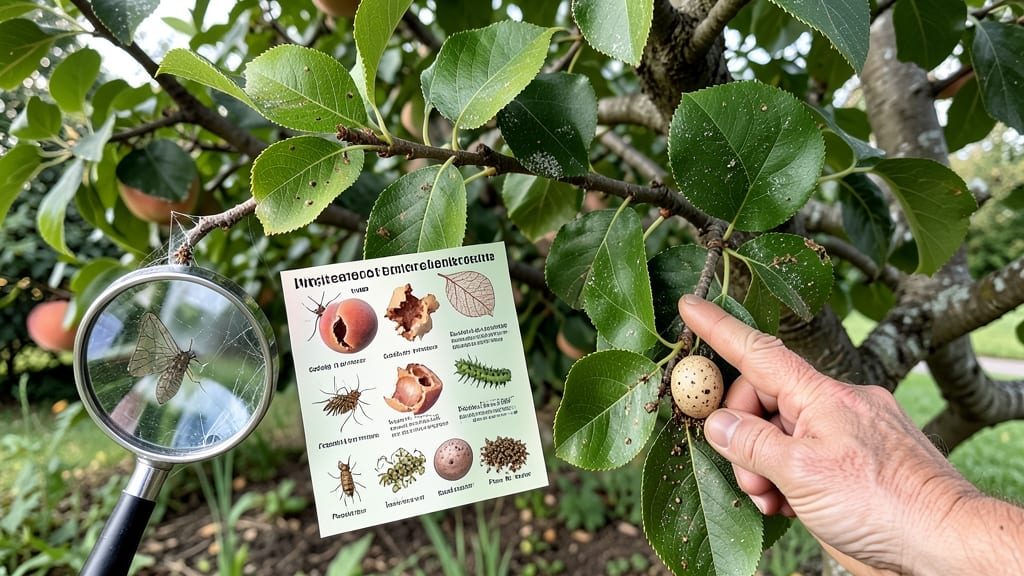
Spotting tiny holes in your peach leaves or sticky residue on apple branches? 🌳 Fruit tree pests identification starts with knowing what’s chewing on your harvest—and how to stop it before it’s too late.
I’ve spent years watching my own trees get attacked by everything from sap-sucking aphids to wood-boring beetles, and I’ll show you exactly what to look for.
Most problems begin with visible damage: chewed leaves, curled foliage, or strange webbing. Aphids leave behind a shiny honeydew, while borers create jagged exit holes in bark.
Mites cause stippling on leaves, and fungal infections often start as fuzzy white patches. The key is catching these early—before pests move from leaves to fruit.
You’ll learn to recognize each invader by its damage patterns and get simple, effective solutions—from blasting water for aphids to sealing wounds on borer-damaged branches. Prevention is easier than cleanup, and I’ll share the 3 most effective strategies to keep your trees healthy all season.
Whether you’re dealing with a sudden outbreak or just want to stay ahead, this guide gives you the visual cues and action steps to protect your harvest. No more guessing what’s wrong—just clear, practical pest control for your fruit trees.
📚 In This Guide
- What you need
- Instructions
- Tips and common mistakes
- Wrapping up and next steps
What you need
- ● Magnifying glass (10x magnification) – For close-up inspection of tiny pests and damage.
- ○ Handheld UV flashlight (optional but helpful) – Reveals insect droppings, webbing, and hidden pests.
- ● Pruning shears or sharp knife – To collect samples of damaged leaves, fruit, or bark.
- ● Clear plastic bags or containers – For transporting pest samples to a lab or reference guide.
- ● Notebook & pen – To record observations, pest locations, and damage details.
- ● Ruler or measuring tape – To document pest size or infestation spread.
- ● Camera (smartphone or dedicated) – Capture high-resolution images of pests, damage, and tree conditions.
- ● Field guide or smartphone app – For real-time identification (e.g., iNaturalist, PictureThis, or USDA Pest Guide).
- ● Gloves (nitrile or latex) – Protects hands from sap, thorns, or irritating pests like caterpillars.
- ● Spray bottle with water – To dislodge pests for better visibility or rinse samples.
- ● Aspirator (handheld vacuum) – Safely collects pests for closer study without harming the tree.
- ● Entomology kit – Includes pins, vials, and labels for preserving specimens.
- ● Soap solution (mild dish soap + water) – For testing soft-bodied pests (e.g., aphids) to confirm ID.
- ● Ladder or step stool – For reaching higher branches safely.
- ● Reference books – Local agricultural extension guides or fruit tree pest manuals.
How to spot and address common fruit tree pests
Here’s how to recognize the most destructive fruit tree pests—and what to do about them before they ruin your harvest.
🐛 Step 1: Inspect Leaves for Signs of Sap-Sucking Pests
Start by examining the undersides of leaves for tiny, moving insects. Aphids, scale, and mites cluster along veins and new growth, leaving sticky residue called honeydew. Run your fingers over the leaves—aphids feel soft and waxy, while scale insects appear as small, immobile bumps. If you see webbing or speckled yellowing, spider mites are likely feeding.
This is the moment that matters: catch these pests early, and you’ll save your tree from stunted growth or defoliation. Spray leaves with a strong stream of water to dislodge them, or use insecticidal soap for heavier infestations. Repeat every 5-7 days until you no longer see new pests.
🍎 Step 2: Check Fruit for Boring Insects and Larvae
Peel back the skin of fallen fruit or inspect developing fruit for tiny holes or sawdust-like frass. Codling moth larvae and borers leave behind these telltale signs—often near the stem end. If you find holes, cut into the fruit to check for creamy-white larvae. Borers also create winding trails under bark, so scrape away loose bark to spot their entry points.
Remove all infested fruit immediately and drop it in a sealed bag. For codling moths, wrap tree trunks with sticky bands in early spring to trap emerging adults. If borers are present, inject systemic insecticide into the trunk or apply it to fresh wounds during pruning season.
🌿 Step 3: Look for Leaf-Chewing Damage and Egg Masses
Tattered leaves, notched edges, or skeletonized foliage mean caterpillars or beetles are feeding. Look closely for egg clusters—tent caterpillars lay silken webs with egg masses on branches, while gypsy moths deposit flat, hairy eggs on rough bark. If you find these, scrape them off with a stiff brush and dispose of them in soapy water.
Handpick larger caterpillars and drop them into soapy water. For severe infestations, apply Bacillus thuringiensis (Bt) spray, which targets caterpillars without harming beneficial insects. Reapply after rain, as Bt washes off quickly.
🪴 Step 4: Monitor for Fungal or Bacterial Infections Triggered by Pests
Pests like aphids and scale create entry points for diseases. Check for oozing cankers, blackened bark, or fungal growths like sooty mold (a black, velvety coating on leaves). These are red flags that your tree’s health is compromised. Prune infected branches back to healthy wood, sterilizing your tools with rubbing alcohol between cuts.
Apply a copper fungicide to prevent spread, especially after rain. Keep the base of the tree clear of debris, as moisture trapped there encourages fungal growth. Healthy trees resist pests better, so focus on proper watering and fertilization to build resilience.
⏰ Step 5: Implement a Seasonal Pest Prevention Plan
Timing is everything. In early spring, apply dormant oil to smother overwintering eggs and scale. During bloom, use pheromone traps for codling moths and tent caterpillars. Summer is prime time for monitoring—inspect weekly and act fast. In fall, rake up fallen leaves and fruit to remove hiding spots for pests.
Here’s the thing—prevention saves you from reactive sprays. Encourage natural predators like ladybugs and lacewings by planting companion flowers nearby. A balanced ecosystem keeps pests in check without chemicals.
Tips & tricks for fruit tree pest identification
Real talk: Early detection is your best defense against fruit tree pests. Here's what nobody tells you about spotting infestations before they spiral out of control.
Visual Cues That Save Trees: In Step 1, when inspecting leaves, look for three key signs beyond just seeing insects: first, check for curled leaf edges (aphids cause this), second, examine the leaf surface for tiny white specks (scale insect casings), and third, tap leaves over a white surface - falling debris often reveals hidden mites. I learned this the hard way after missing a spider mite infestation until my tree lost half its foliage.
Seasonal Timing Matters: The 5-7 day treatment schedule in Step 1 works best when you start at the right time. For most pests, begin treatments in early spring when new growth appears, not when you first notice damage. I've seen gardeners waste weeks trying to treat established infestations that could have been prevented with timely intervention. Spring is when pests emerge from dormancy and are most vulnerable to control measures.
Tool Prep Prevents Cross-Contamination: When you're scraping egg masses in Step 3 or pruning infected branches in Step 4, sterilize your tools between each tree. I use a 70% isopropyl alcohol spray between cuts - this prevents spreading diseases like fire blight between trees. The few extra seconds spent sterilizing can save your entire orchard from systemic infection.
Natural Predator Strategy: The prevention plan in Step 5 mentions planting companion flowers, but here's the secret: time it right. Plant nectar-rich flowers like alyssum or dill in late summer to attract ladybugs and lacewings when their young are most active. These predators will overwinter in your garden and provide early-season control next year. I've reduced my chemical use by 60% since implementing this strategy.
Pro Tips for Fruit Tree Pests Identification
- Real talk: Early detection is your best defense against fruit tree pests.
- I learned this the hard way after missing a spider mite infestation until my tree lost half its foliage.
- Seasonal Timing Matters: The 5-7 day treatment schedule in Step 1 works best when you start at the right time.
Frequently asked questions
Got questions about spotting, stopping, or solving fruit tree pest problems? You're not alone! Here are some of the most common concerns—and straightforward answers—to help you keep your orchard thriving.
What are the most common signs of fruit tree pests?
Look for chewed leaves, sawdust-like frass (insect droppings), holes in fruit, sticky residue (honeydew), or webbing on branches. Caterpillars, aphids, and borers are frequent culprits. Check both upper and lower leaf surfaces—pests love hiding there!
When is the best time to identify and treat pests?
Act early! Scout your trees weekly during spring and summer when pests are most active. Early signs (like tiny eggs or new damage) mean easier, more effective treatment. Fall is also key—remove fallen leaves and fruit to break pest lifecycles over winter.
Can I use natural remedies instead of chemicals?
Try neem oil (spray on leaves), soapy water (for soft-bodied pests like aphids), or beneficial insects (ladybugs, lacewings). Prune heavily infested branches and dispose of them far from your yard to prevent reinfestation. Organic options work best when applied consistently.
What should I do if pests return after treatment?
If pests persist, reassess your approach: Are you treating all affected areas? Is the timing right (e.g., after rain)? Rotate methods—try horticultural oil or physical barriers like netting. Check for secondary issues, like stress from over/under-watering, which attracts pests.
How can I prevent pests before they start?
Prevention is your best tool! Keep trees healthy with proper watering and pruning, mulch to deter weeds, and plant companion flowers (like marigolds) to attract pest-eating predators. Clean up debris yearly, and inspect new plants before adding them to your orchard.
Wrapping up and next steps
Identifying fruit tree pests doesn’t have to be overwhelming—with the right knowledge, you can protect your trees and keep them thriving! 🌳 By recognizing common invaders like aphids, borers, or mites early, you’ll be better equipped to act fast and save your harvest. Start small: pick one pest to monitor this season, then expand your skills as you go.
Ready to take action? Grab your magnifying glass, check your trees regularly, and trust your instincts! If you spot something unfamiliar, snap a photo and consult local agricultural experts or extension services for tailored advice. Happy gardening—your fruit trees will thank you! 🍏🍊