
Pruning
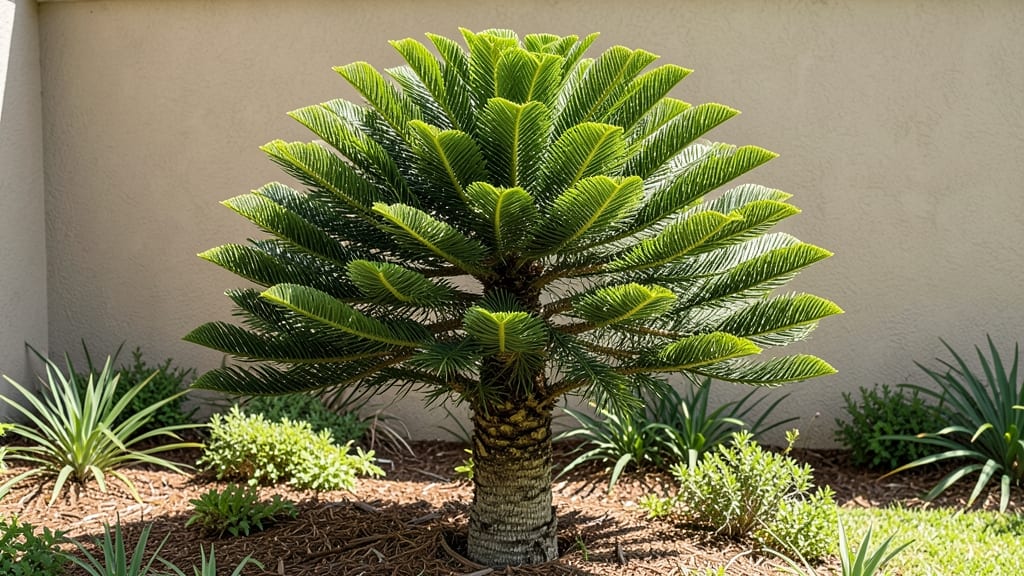
A dwarf fir tree in a pot brings that mountain-fresh scent to your porch or patio—no yard needed. 🌲 I’ve grown these evergreens for years, and the right variety can stay compact for decades, even in a 15-gallon container.
The trick? Choosing a slow-growing species like ‘Little Gem’ or ‘Teddy Bear’ fir, which handle confinement without stress.
You’ll need well-draining soil (think 60% potting mix, 30% perlite, 10% pine bark), a pot with drainage holes, and a spot that gets 4-6 hours of morning sun—afternoon shade protects delicate needles.
Watering’s the real secret: keep soil evenly moist but never soggy. Overwatering kills firs faster than anything else.
With proper care, your potted fir will stay lush and aromatic for years. Prune only to shape (never to encourage growth—fir trees don’t respond well), and fertilize lightly in spring with a slow-release evergreen formula. The scent alone makes it worth the effort.
For winter, move containers to a sheltered porch or garage if temps dip below 20°F. Most dwarf varieties handle seasonal transitions well, but avoid sudden temperature swings. A little planning keeps your fir thriving year-round, even in tight spaces.
📚 In This Guide
- What you need
- Instructions
- Tips and common mistakes
- Wrapping up and next steps
What you need
- ● Dwarf fir tree (e.g., Abies concolor 'Glauca Compacta' or Picea pungens 'Glauca Globosa') – 1 plant (3–5 gallons pot size at maturity).
- ● Fir tree pot – 1 container (12–18 inches in diameter) with drainage holes. Pro tip: Terracotta or ceramic pots help regulate moisture! 🌡️
- ● High-quality potting mix – 1 bag (1–2 cubic feet). Opt for a blend with 50% peat/coir, 30% perlite, and 20% compost for aeration.
- ● Gravel or expanded shale – 1–2 inches (for drainage layer).
- ● Slow-release fertilizer – 1 pellet or granular formula (14-14-14 NPK ratio).
- ● Pruning shears – 1 pair (bypass blades for clean cuts).
- ● Watering can – 1 (with a fine rose nozzle).
- ● Decorative mulch – Pine bark or gravel to enhance aesthetics.
- ● Container liner – Plastic liner to protect pots from root rot (if using non-breathable materials).
- ● Support stakes – For windy areas (dwarf firs rarely need them, but helpful for young plants).
- ● Liquid fertilizer – For mid-season boosts (diluted to half-strength).
- ● Moss or lichen – To add a natural, woodland look to the pot’s surface! 🌿
Step-by-step guide to growing dwarf fir trees in pots
Here's how to bring the beauty of a miniature evergreen into your small garden or patio.
🪴 Step 1: Select the Right Dwarf Variety and Pot
Choose a dwarf fir variety like 'Little Gem' or 'Pendula' that stays under 6 feet tall at maturity. These varieties thrive in containers and won't outgrow your space. The pot should be at least 12 inches deep with drainage holes—fir trees hate soggy roots.
I always opt for unglazed terra cotta pots because they breathe better than plastic. If your pot lacks drainage, drill holes yourself—fir roots need oxygen as much as water. Place a 2-inch layer of gravel at the bottom to prevent clogging while allowing excess water to escape.
🌱 Step 2: Prepare Soil and Plant Your Dwarf Fir
Use a well-draining potting mix specifically formulated for evergreens. I blend 50% potting soil, 30% perlite, and 20% pine bark fines to mimic their natural acidic, airy woodland soil. Fill the pot 2/3 full, leaving room for the root ball.
Remove the fir tree from its nursery pot and gently loosen the roots if they're circling. Position the tree so the top of the root ball sits 1 inch below the pot's rim—this prevents water from spilling over during heavy watering. Backfill with soil, pressing lightly to eliminate air pockets.
☀️ Step 3: Position for Light and Water Properly
Place your dwarf fir in partial shade to full sun, depending on your climate. In hotter regions, morning sun with afternoon shade prevents needle scorch. You'll know the light is right when new growth stays a vibrant green—not yellow or brown.
Water deeply once a week, letting 2 inches of soil dry out between waterings. Overwatering is the #1 killer of potted firs—check by sticking your finger 2 inches into the soil. If it feels dry, water thoroughly until it drains from the bottom. Mulch with 1 inch of pine bark to retain moisture and mimic forest conditions.
🌿 Step 4: Maintain Year-Round Care for Healthy Growth
Fertilize once in early spring with a slow-release evergreen fertilizer (follow package rates). I avoid liquid fertilizers—they can burn delicate fir roots. Prune in late winter to shape the tree and remove any dead or yellowing branches with clean, sharp shears.
Watch for spider mites or aphids—spray the undersides of needles with neem oil if you spot tiny webs or sticky residue. In winter, move pots to a protected location if temperatures drop below 10°F, as firs are sensitive to freeze damage. A thick layer of burlap wrap around the pot adds insulation.
Tips & tricks for perfect dwarf fir tree pots
Here's what nobody tells you about keeping your miniature evergreen thriving in containers.
Pot Selection Matters: While terra cotta is ideal, avoid glazed pots—they trap moisture and can lead to root rot. If you must use plastic, add extra drainage holes (at least 4) and consider a cache pot system where the outer pot collects excess water. The 12-inch depth requirement is non-negotiable—shallower pots restrict root growth and lead to stunted trees.
Soil Mix Secrets: That 50-30-20 blend of potting soil, perlite, and pine bark fines is crucial for mimicking fir's natural acidic environment. If you can't find pine bark fines, substitute with 10% coarse sand instead—it helps with drainage without altering the soil's acidity. Always test your soil pH before planting; firs prefer slightly acidic soil (pH 4.5-6.0).
Light Positioning Tricks: In Step 3, when you're deciding on placement, remember that morning sun is gentler than afternoon heat. For indoor growing, place your fir near a north-facing window where it gets bright, indirect light. If you notice yellowing needles, it's a sign of too much direct sun—move the pot to a shadier spot immediately.
Winter Protection: The 10°F threshold is critical—fir trees can't handle prolonged cold. If you're in a zone with colder winters, consider adding a layer of bubble wrap around the pot before the burlap wrap. This extra insulation can protect your tree down to 5°F without risking moisture buildup that plastic alone might cause.
Pro Tips for Fir Tree Pot
- Here's what nobody tells you about keeping your miniature evergreen thriving in containers.
- Pot Selection Matters: While terra cotta is ideal, avoid glazed pots—they trap moisture and can lead to root rot.
- Soil Mix Secrets: That 50-30-20 blend of potting soil, perlite, and pine bark fines is crucial for mimicking fir's natural acidic environment.
Frequently asked questions
Got questions about growing fir tree pots—especially dwarf varieties in small spaces? You’re not alone! Here are answers to the most common concerns to help you grow with confidence.
What’s the best dwarf fir tree variety for a pot?
For small spaces, opt for Picea pungens ‘Glauca Globosa’ (Blue Globe) or Picea abies ‘Nidiformis’ (Bird’s Nest Spruce). These stay under 3–5 feet tall, thrive in containers, and handle pruning well. Avoid fast-growing varieties—they’ll outgrow your pot quickly!
How often should I repot a dwarf fir tree?
Repot every 2–3 years or when roots circle the pot’s bottom. Spring is ideal—avoid winter stress. Use a well-draining mix (50% peat moss, 30% perlite, 20% sand) and choose a pot just 2–3 inches wider than the current one.
Why are my fir tree’s needles turning brown?
Brown needles usually signal overwatering, underwatering, or salt buildup. Check soil moisture (top inch should dry out between waterings) and flush the pot with water to remove excess salts. Ensure the pot has drainage holes—fir trees hate soggy roots!
Can I prune a dwarf fir tree to keep it smaller?
Yes! Prune in late winter or early spring to shape or reduce size. Use clean, sharp shears and cut just above a bud or branch collar. Avoid heavy pruning—fir trees grow slowly, and over-pruning can stress the tree. Aim for no more than 25% of new growth per year.
What’s the ideal temperature range for a potted fir tree?
Dwarf firs prefer cool to moderate climates (50–75°F). Protect from heatwaves (above 85°F) and freezing temps (below 10°F). Move pots to shaded areas in summer and wrap the pot in burlap for winter if temps drop. Most dwarf varieties tolerate light frost but avoid prolonged cold snaps.
Wrapping up and next steps
Transforming your small-space garden with a fir tree pot is not only achievable but also incredibly rewarding! These dwarf varieties bring a touch of nature’s elegance without demanding much room.
Whether you’re a beginner or a seasoned gardener, the key is patience, proper care, and a little creativity—your tiny fir tree will thrive and become a stunning centerpiece.
Ready to take the next step? Start small—pick your favorite dwarf fir, gather your supplies, and give it a home in a cozy pot. Watch as it grows into a lush, fragrant masterpiece that brings joy year after year! 🌲✨