
Pruning
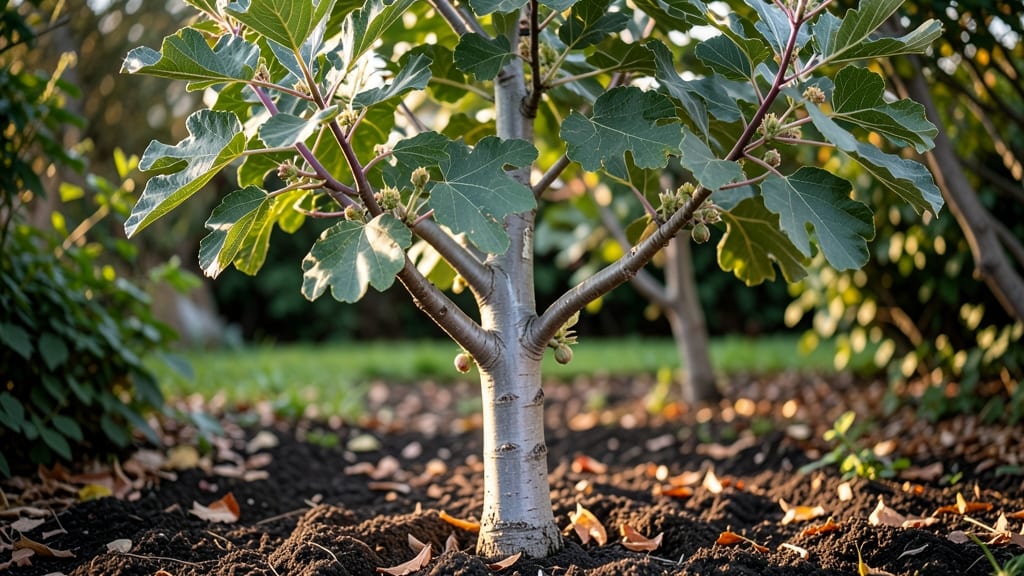
Growing fig tree shoots lets you multiply your favorite varieties for free—no nursery needed. 🌱 I’ve propagated figs from cuttings for years, and the key is timing: late winter or early spring, when new growth starts but before the heat sets in.
The right cut produces strong roots within 6-8 weeks, and you’ll have new trees ready for planting by summer.
You’ll need sharp pruners, rooting hormone (optional), and a mix of perlite and potting soil to keep cuttings moist without rotting. Fig shoots root best in 60-70°F soil, so a heated propagation mat helps in cooler climates.
The first leaves signal success—keep them in bright, indirect light until they’re ready for their permanent spot.
Once established, these new shoots grow into productive trees with year-round harvest potential in warm zones. Prune lightly after harvest to encourage new growth, and watch for those sweet, honey-like figs forming by midsummer.
The best part? Each cutting becomes its own tree, so you can share (or expand your garden) without spending a dime.
Works for both container and ground planting, and even indoor growing with proper light. Here’s how to avoid the three mistakes that kill cuttings before they root—don’t skip the humidity trick!
📚 In This Guide
- What you need
- Instructions
- Tips and common mistakes
- Wrapping up and next steps
What you need
- ● Fig tree (Ficus carica) – Choose a healthy, mature tree (dwarf varieties like 'Little Miss Figgy' work well for containers).
- ● Pruning shears – Sharp, bypass-pruners (4-6" blades) for clean cuts. Sterilize with rubbing alcohol between cuts to prevent disease.
- ● Gloves – Heavy-duty gardening gloves to protect against thorns and sap irritation.
- ● Disinfectant spray (e.g., 10% bleach solution or hydrogen peroxide) – For sanitizing tools and wounds.
- ○ Pruning sealant (optional but recommended) – Helps prevent sap loss and infection on larger cuts.
- ● Ladder or step stool – For reaching higher branches safely.
- ● Measuring tape or ruler – To ensure proper spacing (6–12" from the main trunk for shoots).
- ● Sharp knife or saw – For removing thick, woody growth (if needed).
- ● Grafting tape or twine – To secure new shoots to supports if training vertically.
- ● Watering can or hose – For post-pruning hydration (figs are drought-tolerant but appreciate care after cuts!).
- ● Knowledge of fig tree growth stages – Learn to identify sucker shoots (new growth from the base) vs. water sprouts (fast-growing vertical shoots).
- ● Local climate awareness – Prune in late winter/early spring (before buds swell) in cold climates, or year-round in frost-free zones.
- ● Patience – Fig trees thrive with consistent pruning (2–3 times/year for optimal shoot production).
How to prune fig trees for continuous harvests
Here's the simple pruning method I use to keep my fig trees producing fruit year-round.
✂️ Step 1: Identify and Remove Dead or Weak Growth
Start in late winter or early spring when the tree is still dormant. Look for branches that are completely brown, brittle, or have no signs of life. These are your first targets—they won't produce fruit and can spread disease. I grab my pruning shears and make clean cuts just outside the branch collar (the swollen area where the branch meets the trunk).
Don't worry if you miss a few—fig trees are forgiving. The key is to remove anything that's clearly dead or damaged. You'll see fresh green growth emerging from healthy branches in just a few weeks, signaling it's time to move to the next step.
☀️ Step 2: Open the Canopy for Better Airflow and Sunlight
Fig trees produce more fruit when they get plenty of sunlight and air circulation. I focus on thinning out the center of the tree first, removing any branches that cross or rub against each other. This prevents disease and helps the remaining branches grow stronger. Aim to leave about 6-8 inches between branches.
Here's the thing—fig trees grow fast, so I don't go overboard. Just enough to let light and air move through. You'll notice new shoots starting to grow from the sides of the tree after a few weeks. These are your future fruit producers!
🌱 Step 3: Prune for Fruit Production in Early Spring
Once the tree starts showing new growth in early spring, it's time to shape it for fruit production. Look for branches that are growing inward or downward—they'll never get enough sunlight to produce good fruit. Cut these back to an outward-facing bud or branch. I like to leave about 3-4 feet of space between major branches to keep the tree manageable.
Don't cut back more than one-third of the tree at once. Fig trees are tough, but they'll struggle if you remove too much growth. You'll see new shoots forming within 2-3 weeks—these are your future harvest branches!
⏰ Step 4: Summer Pruning for Continuous Harvests
This is where the magic happens for year-round harvests. Throughout the growing season, I keep an eye out for branches that have already produced fruit. Once they've finished bearing, I cut them back to encourage new growth. This keeps the tree producing fruit continuously instead of all at once.
I also remove any suckers (shoots growing from the base of the tree) unless I want to propagate new plants. These can drain energy from your main tree. You'll notice new shoots forming within 1-2 weeks after pruning—these will produce your next batch of figs.
🌿 Step 5: Light Winter Pruning to Maintain Shape
In late fall or early winter, do a final light pruning to maintain the tree's shape. Remove any branches that are growing too close together or that look weak. This keeps the tree open and airy, which helps prevent disease. I usually only remove about 10-15% of the tree's growth at this stage.
Here's a tip: fig trees produce fruit on both old and new wood, so don't be afraid to leave some older branches. You'll see new growth starting in early spring, and that's your signal that the tree is ready to produce another season of delicious figs!
Tips & tricks for perfect fig tree pruning
Here's what nobody tells you about keeping your fig tree thriving—these secrets make all the difference between a decent harvest and a bountiful one.
Timing is Everything: Late winter or early spring is the absolute best time for Step 1 because the tree is dormant and won't bleed sap when you prune. I've learned this the hard way—pruning in late fall can leave your tree vulnerable to winter damage. Look for those crisp, dry days when temperatures are above freezing but before buds start swelling. This gives your tree the best chance to recover quickly.
The Branch Collar Secret: When you're making those clean cuts in Step 1, pay close attention to the branch collar—the swollen area where the branch meets the trunk. Cut just outside this collar, never flush with it. I used to make this mistake and wondered why my cuts healed poorly. The collar contains protective cells that help the wound heal faster and prevent disease from entering the tree. This small detail makes a huge difference in your tree's long-term health.
Visual Cues for Pruning Success: In Step 2, when you're thinning the canopy, look for branches that form a "V" shape when viewed from above—these are your keepers. The branches that cross or rub against each other (forming a "V" when viewed from the side) should go. I also check for branches that grow directly upward—they'll never get enough sunlight to produce good fruit. After pruning, you should be able to see light all the way to the center of the tree. This open structure is what leads to those continuous harvests we're after.
Sucker Strategy: In Step 4, when you're dealing with those pesky suckers at the base of your tree, here's my personal approach: I remove about 75% of them immediately, leaving just 1-2 strong ones if I want to propagate new plants. These suckers can drain energy from your main tree, so don't be afraid to be aggressive with removal. You'll notice new shoots forming within just 1-2 weeks—these are your future harvest branches, so it's worth the effort to keep your main tree's energy focused on fruit production.
Pro Tips for Fig Tree Shoots
- Here's what nobody tells you about keeping your fig tree thriving—these secrets make all the difference between a decent harvest and a bountiful one.
- Timing is Everything: Late winter or early spring is the absolute best time for Step 1 because the tree is dormant and won't bleed sap when you prune.
- The Branch Collar Secret: When you're making those clean cuts in Step 1, pay close attention to the branch collar—the swollen area where the branch meets the trunk.
Frequently asked questions
Got questions about growing and harvesting fig tree shoots? You’re not alone! Here are some of the most common questions—and answers—to help you master the art of year-round pruning and harvest.
When is the best time to prune fig trees for new shoots?
The ideal time to prune fig trees for fresh shoots is late winter or early spring (just before new growth starts). For Mediterranean climates, prune in February–March, while colder regions may wait until March–April when frost risk passes. Avoid heavy pruning in fall, as it can stimulate tender growth vulnerable to cold.
How long does it take for new shoots to appear after pruning?
New shoots typically emerge within 2–4 weeks after pruning, depending on climate and tree health. Warmer weather speeds up regrowth—expect faster results in spring or summer. If shoots don’t appear within 6 weeks, check for underwatering, poor soil, or disease (like root rot) and adjust care.
Can I eat the shoots, or should I wait for figs?
Yes! Young fig tree shoots are edible and packed with nutrients. Harvest tender shoots (about 6–12 inches long) in spring for a mild, slightly sweet flavor—similar to asparagus. However, focus on pruning for fruit production later in the season. Pro tip: Avoid overharvesting shoots, as it can stress the tree.
What’s the best way to prune without killing the tree?
Use clean, sharp pruners to make cuts at a 45-degree angle just above a leaf node or bud. Remove dead, diseased, or crossing branches first, then thin out excess growth to improve airflow. Never cut more than 1/3 of the tree’s canopy in one session—gradual pruning keeps the tree healthy and productive.
What if my fig tree isn’t producing shoots after pruning?
Check these common issues:
- Lack of sunlight: Fig trees need 6+ hours of direct sun daily.
- Poor soil: Ensure well-draining soil with compost or organic matter.
- Over-pruning: Limit cuts to healthy, vigorous branches.
- Pests/disease: Inspect for aphids, scale, or fungal spots and treat accordingly.
Wrapping up and next steps
Fig tree shoots are a gardener’s gift—packed with flavor, easy to grow, and full of potential when you master the timing of pruning. Whether you’re a seasoned green thumb or just starting, the key is patience and consistency.
With the right techniques, you can enjoy fresh, tender shoots year-round and even expand your harvest with confidence!
Ready to take the next step? Grab your pruners, mark your calendar, and start experimenting with different pruning schedules this season. Your fig tree—and your taste buds—will thank you! 🌱✨