
Trees
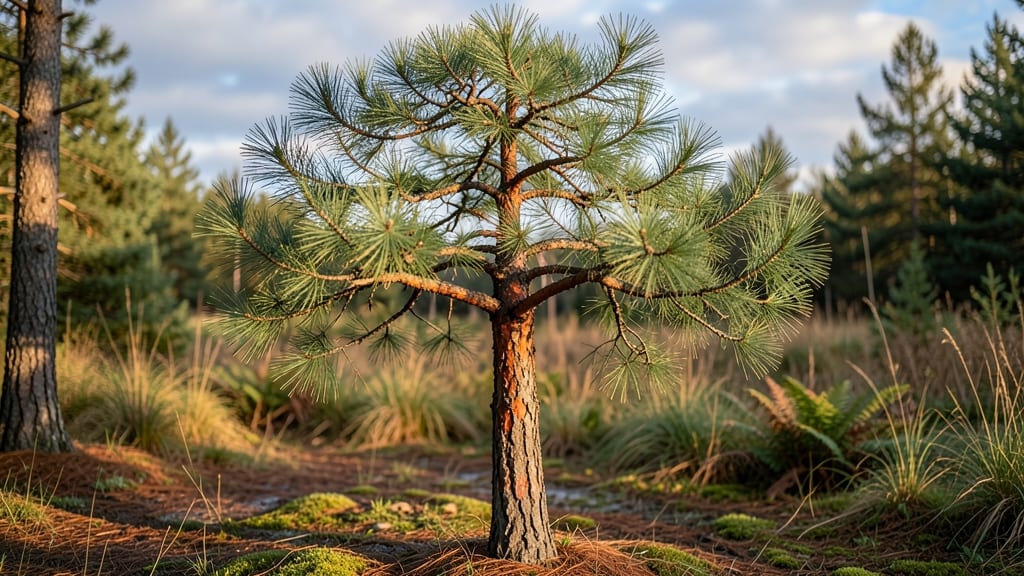
A sparse-branched evergreen tree creates bold, sculptural drama in any modern garden. 🌿 I fell for them after seeing how they transform a yard from ordinary to striking—year-round structure without the dense, overgrown look.
These trees aren’t just background players; they’re the stars of minimalist landscapes, offering clean lines and texture that other evergreens can’t match.
They shine as focal points near patios or entryways, where their open branches let light filter through while still providing privacy. Pair them with ornamental grasses or low shrubs to fill the space beneath without competing for attention.
In smaller yards, a single specimen makes a statement, while clusters create a natural, airy screen.
What you get is a low-maintenance tree that stays elegant through all seasons—no messy cleanup, no constant pruning. The key is choosing the right species for your climate (think Italian cypress, blue atlas cedar, or lacebark pine) and giving it room to grow its signature silhouette.
Perfect for contemporary designs, urban courtyards, or even as a dramatic centerpiece in a pot. Let’s explore how to style one in your space!
Understanding Thin Canopy Causes
If your evergreen tree sports a sparse, skeletal structure instead of lush foliage, it’s likely reacting to one or more underlying issues. While some trees naturally grow with a open, airy habit, others develop thin canopies due to environmental stress, poor care, or biological factors.
Below, we break down the most common reasons—so you can diagnose and address the problem before it worsens.
Evergreens rely on consistent moisture, sunlight, and airflow to maintain dense foliage. When these conditions shift, branches may thin out as the tree prioritizes survival over growth. Here’s what’s likely happening:
- 💧 Watering Woes:
Evergreens like Pinus (pines) or Juniperus (juniper) have shallow root systems that dry out quickly. Underwatering causes needles or leaves to drop prematurely, leaving bare stems. Overwatering, on the other hand, suffocates roots, preventing nutrient uptake and leading to yellowing or shedding foliage.
- Actionable fix: Check soil moisture 2–3 inches deep—it should feel like a damp sponge, not mud or sand.
- Pro tip: 🌡️ Mulch 2–4 inches deep (but keep it away from the trunk) to retain moisture without compacting roots.
- ☀️ Sunlight Imbalance:
Some evergreens (e.g., Thuja occidentalis, arborvitae) thrive in partial shade but burn or drop needles when exposed to harsh afternoon sun. Conversely, shade-loving varieties like Tsuga (hemlock) may develop sparse growth if deprived of filtered light.
- Actionable fix: Observe needle/leaf color—brown patches = too much sun; yellowing = too little.
- Pro tip: ✨ Use lightweight shade cloth (30–50%) in peak summer if your tree is sun-sensitive.
- 🌬️ Wind and Salt Damage:
Coastal evergreens (e.g., Picea spruces) often suffer from salt spray, which accumulates on foliage and blocks stomata (pores). Wind can also desiccate needles, causing them to turn brittle and fall.
- Actionable fix: Rinse foliage with fresh water monthly during dry seasons.
- Pro tip: 🔥 Plant windbreaks (like Buxus hedges) on the prevailing wind side to reduce exposure.
Evergreens are heavy feeders, especially in sandy or clay soils where nutrients leach away quickly. A sparse canopy often signals a lack of essential elements:
| Symptom | Likely Deficiency | What to Do |
|---|---|---|
| Yellowing old needles/leaves (bottom-up) | ⚠️ Nitrogen (N) | Apply slow-release organic fertilizer (e.g., blood meal or composted manure) in early spring. |
| Purple or red foliage | ⚠️ Phosphorus (P) | Use bone meal or rock phosphate in fall to boost root growth. |
| Stunted new growth, weak stems | ⚠️ Potassium (K) | Add wood ash (sparingly) or greensand to improve vigor. |
| Needles/leaves curling or dropping | ⚠️ Magnesium (Mg) or Iron (Fe) | Apply Epsom salt (Mg) or chelated iron in early spring. |
| Soil feels compacted or waterlogged | ⚠️ Poor drainage or pH imbalance | Test soil pH (ideal range: 5.0–7.0 for most evergreens) and amend with sulfur (to lower pH) or lime (to raise pH). |
Pro tip: 💡 Conduct a soil test before fertilizing—overdoing it can burn roots and worsen thinning.
Evergreens are magnets for pests like spider mites, bagworms, or fungal pathogens (e.g., Phytophthora root rot). These invaders consume foliage, disrupt nutrient flow, or clog stomata, leading to sparse growth:
- 🕷️ Spider Mites & Scale Insects:
These sap-sucking pests create stippled or yellowed needles, which eventually drop. Webbing on branches is a dead giveaway.
- Actionable fix: Blast off mites with a strong hose or use neem oil (repeat every 7–10 days).
- Pro tip: 🎯 Introduce predatory mites (Phytoseiulus persimilis) for organic control.
- 🐛 Bagworms & Sawfly Larvae:
These caterpillars devour entire needles, leaving behind bare stems and silk bags. Infestations peak in late summer.
- Actionable fix: Handpick bags and soak in soapy water. Use Bt (Bacillus thuringiensis) spray as a preventative.
- 🍄 Fungal Infections (e.g., Root Rot, Needle Blight):
Phytophthora or Rhizosphaera fungi thrive in wet, poorly drained soil, causing blackened needles and dieback.
- Actionable fix: Improve drainage with organic matter (compost or pine bark). Prune infected branches 6+ inches below damage.
- Pro tip: 🔥 Avoid overhead watering—use drip irrigation to keep foliage dry.
Not all sparse canopies are a cause for alarm! Some evergreens are natur
Revitalize Your Tree’s Growth
If your evergreen tree has sparse branches, don’t despair—there are practical ways to nurse it back to fullness. The right approach depends on the root cause, but with a little care, you can restore its lush structure.
Below, we break down solutions tailored to common issues, from quick fixes to long-term strategies.
If your tree’s sparse look stems from aggressive pruning or shearing, it’s time to let it breathe and encourage natural regrowth.
- 🔥 Step Back and Assess Examine the tree’s structure. If branches were cut too close to the trunk or in a way that removed too much foliage at once, the tree may struggle to recover. Look for signs of stress like yellowing needles or stunted growth.
- 👨🍳 Prune Strategically Avoid heavy pruning in one season. Instead, focus on light, selective pruning to remove only dead, diseased, or crossing branches. Use sharp, sterilized pruners to make clean cuts just outside the branch collar (the swollen area where the branch meets the trunk).
- 🌿 Encourage New Growth Apply a balanced, slow-release fertilizer (like 10-10-10 or a tree-specific formula) in early spring to support recovery. Water deeply but avoid overwatering, which can suffocate roots.
- 🌡️ Prevention Tip Prune only when necessary—typically in late winter or early spring before new growth begins. Avoid shearing evergreens into tight, unnatural shapes, as this stresses the tree and limits airflow.
Poor watering habits or nutrient-deficient soil can stunt growth, leading to a sparse canopy. Adjusting these factors can make a dramatic difference.
- 🔥 Check Soil Moisture Stick your finger 2-3 inches into the soil. If it’s dry, water deeply until moisture reaches 6-12 inches down. If it’s soggy, reduce watering and improve drainage by amending the soil with compost or organic matter.
- 🥗 Test Soil Health Evergreens prefer well-draining, slightly acidic soil (pH 5.0–6.5). If your soil is compacted or alkaline, mix in pine bark fines, peat moss, or sulfur to adjust pH and improve structure. A simple soil test kit can help diagnose deficiencies.
- 💪 Fertilize Correctly Use a slow-release, organic fertilizer designed for evergreens (like fish emulsion or a 12-4-8 formula). Apply in early spring and late summer, following package instructions. Avoid high-nitrogen fertilizers, which can burn roots.
- 🎯 Prevention Tip Mulch around the tree’s base (but keep it 3–4 inches away from the trunk) with wood chips or pine straw to retain moisture and regulate soil temperature. Replenish mulch annually.
Evergreens need the right light conditions to thrive. If your tree is in a shady or overly exposed spot, its growth may suffer.
- 🔥 Evaluate Sun Exposure Most evergreens (like pines, spruces, or junipers) thrive in full sun (6+ hours daily). If your tree is in deep shade, consider transplanting to a sunnier location—though this should be done in early spring or fall.
- 🌡️ Protect from Harsh Conditions If your tree is in a windy or exposed area, its branches may be stunted from constant stress. Plant windbreaks (like shrubs or other trees) to shield it, or choose a more sheltered spot for new plantings.
- ✨ Prevention Tip When selecting an evergreen, match its sun requirements to your garden’s conditions. For example, dwarf Alberta spruce tolerates partial shade, while Mugo pine prefers full sun.
Insects, fungi, or pathogens can weaken a tree, leading to sparse foliage. Early intervention is key.
- 🔥 Identify the Problem Common culprits include:
- Spider mites or aphids (tiny webs or sticky residue on needles)
- Bagworms (small, brownish bags on branches)
- Root rot (mushrooms at the base, yellowing needles)
- 👨🍳 Treat Accordingly
- For pests: Spray with neem oil or insecticidal soap in early morning or evening to avoid harming beneficial insects. For severe infestations, consult a local arborist for targeted treatments.
- For disease: Remove infected branches immediately and dispose of them. Apply a copper-based fungicide if fungal issues persist.
- 🌿 Prevention Tip Inspect your tree regularly (especially in spring and fall) for early signs of pests or disease. Keep the area around the tree clean and free of debris to discourage infestations.
Some evergreens grow slowly or naturally have a sparse habit. With patience and the right care, you can enhance their density.
- 🔥 Select the Right Variety If you’re planting a new evergreen, choose denser cultivars like:
- ‘Blue Rug’ juniper (compact and full)
- ‘Emerald Green’ arborvitae (tight, columnar growth)
- ‘Glauca Globosa’ spruce (mound-shaped and bushy)
- 🌱 Prune for Density Instead of shearing, prune selectively to encourage inward growth. Trim back the outermost tips of branches to prompt new shoots from lower buds.
- 💡 Pro Tip Thin out overly dense areas to improve airflow and sunlight penetration, which helps the tree grow more evenly. Use hand pruners for precision cuts.
With consistent care, your evergreen can regain its lush, year-round structure. Start with one or two solutions based on your tree’s specific needs, and monitor progress over the growing season. Patience and proper maintenance will pay off with a fuller, healthier tree! 🌲✨
Frequently asked questions
What are the best evergreen trees with naturally sparse branches for modern gardens?
Consider the Italian cypress for dramatic vertical lines, blue atlas cedar for striking blue foliage, or lacebark pine for its unique peeling bark. These varieties create stunning architectural elements while requiring minimal maintenance. For smaller spaces, try ‘Sky Pencil’ holly or ‘Emerald Sentinel’ arborvitae
How do I style a sparse-branched evergreen as a focal point?
Plant it 5-7 feet away from walkways or patios to create visual impact without overwhelming the space. Pair with ornamental grasses or low-growing shrubs like boxwood to fill the area beneath while maintaining an airy look. Use solar-powered uplighting at the base to highlight its structure at night.
Can I grow a sparse-branched evergreen in a container?
Yes! Choose dwarf varieties like ‘Blue Rug’ juniper or ‘Mound Form’ spruce and use a large container (20+ gallons) with drainage holes. Ensure the pot is at least twice as wide as the root ball and use well-draining potting mix. Move containers to partial shade during peak summer to prevent stress.
Why does my evergreen tree have sparse branches when others look full?
Common causes include underwatering, nutrient deficiencies, or over-pruning. Evergreens need consistent moisture and balanced fertilization (especially nitrogen). Check for yellowing needles (nitrogen deficiency) or brown tips (underwatering). For coastal areas, salt spray can also cause thinning.
What's the best way to prune a sparse-branched evergreen?
Avoid shearing! Instead, selectively prune only dead or crossing branches in late winter. Use clean, sharp tools and cut just outside the branch collar. For a fuller look, trim outer branch tips to encourage inward growth. Never remove more than 25% of foliage in one season.