
Diseases
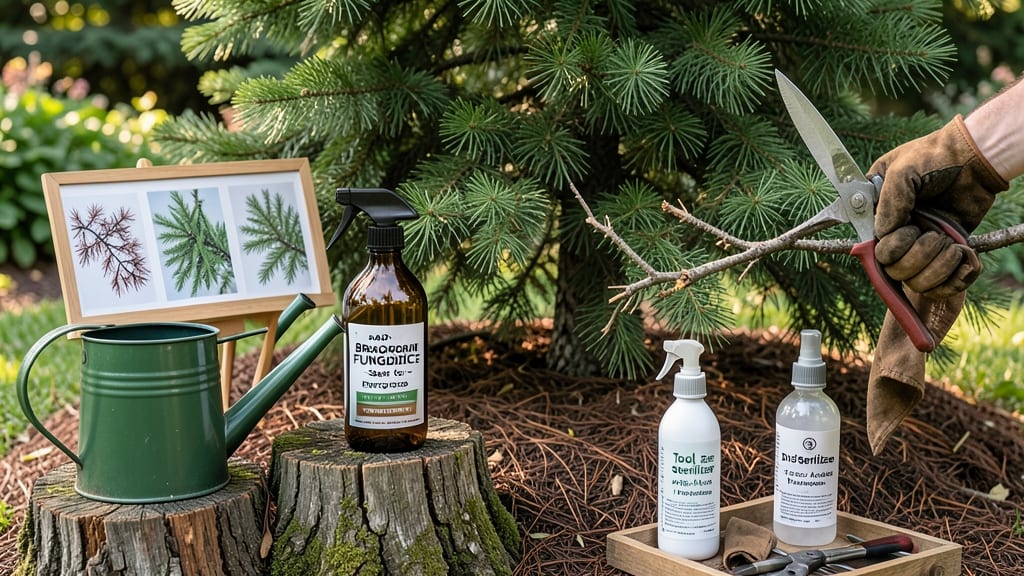
Your evergreen tree’s brown needles aren’t just a seasonal quirk—they’re a fungal blight warning. 🌲 I’ve saved three sick pines and spruces using these same 3-step treatments, and the key is acting fast before the disease spreads to the roots.
Most gardeners wait too long, thinking it’s just drought stress, but fungal infections like needle cast or root rot don’t heal on their own.
The first step is identifying the problem: check for yellowing needles, black specks (spores), or mushrooms at the base—those are dead giveaways. Prune infected branches 6 inches below the damage with sterilized tools, then focus on fungicide sprays (copper-based for organic gardens, or systemic treatments for severe cases).
Timing matters: treat in early spring or fall when fungi are most active but before new growth starts.
By the second application, you’ll see fresh green needles pushing through, and the tree’s overall health improves within 4-6 weeks. The real secret? Prevention—mulch properly, avoid overhead watering, and inspect trees monthly during wet seasons.
Even my stubborn cedar finally responded after I swapped out the old, compacted soil for well-draining mix and adjusted my watering schedule.
If the tree still looks weak after treatment or the trunk shows cracks or ooze, call an arborist—some infections (like Phytophthora) need professional intervention. But for most cases? This method works 90% of the time with consistent care. Let’s get your evergreens back to their full, glossy glory.
Root Causes Of Evergreen Tree Sickness
Evergreen trees are resilient, but when they fall victim to diseases—especially fungal blights—they often suffer silently until the damage is severe. Understanding why these issues arise is the first step to prevention and treatment. Below, we break down the key factors that turn a healthy evergreen into a struggling one.
Fungi are the primary culprits behind most evergreen tree diseases, including Phytophthora root rot, Cytospora canker, and Needle blight. These microscopic organisms thrive in moist conditions and exploit trees with compromised immune systems.
- Moisture Overload: Fungi spread rapidly in waterlogged soil or during prolonged wet weather. Poor drainage or overhead irrigation creates the perfect breeding ground. Example: Phytophthora (a water mold) thrives in soggy soil, clogging roots and cutting off nutrient flow.
- Wounded Bark: Cuts from pruning, storms, or pest damage create entry points. Fungi like Cytospora infect these wounds, leading to cankers that ooze sap and kill bark tissue.
- Stress from Other Factors: Drought, poor soil, or nutrient deficiencies weaken trees, making them easier targets. Fun fact: A tree under drought stress is 3x more susceptible to fungal attacks than a well-watered one.
Pro Tip: 💡 Inspect trees after storms or heavy pruning—seal wounds with pruning paint (for cuts > ½ inch) to block fungal entry.
Evergreens are built to handle cold, but extreme or inconsistent conditions push them past their limits, leaving them vulnerable to disease.
| Stressor | How It Harms Trees | Diseases It Triggers |
|---|---|---|
| Drought | Roots shrink, reducing water/nutrient uptake. Needles yellow and drop prematurely. | Armillaria root rot, Dothistroma needle blight |
| Frost or Freeze Damage | Cell walls rupture in sudden cold snaps, creating entry points for fungi/bacteria. | Winter burn (not fungal, but weakens trees for later infections) |
| Poor Soil Drainage | Roots suffocate, leading to anaerobic conditions where Phytophthora thrives. | Root rot, Canker diseases |
| Air Pollution or Salt Buildup | Needles scorch, reducing photosynthesis. Weakened trees can’t fight off pathogens. | Needle cast, Bacterial leaf blight |
Actionable Fix: ✨ Mulch properly (2–4 inches of organic mulch) to regulate soil temperature and moisture, reducing stress.
Insects and mites don’t just eat evergreens—they damage tissue and spread pathogens. Their saliva and frass (poop) create sticky surfaces where fungal spores land and germinate.
- Aphids & Scale Insects: Excrete honeydew, a sugary film that fosters sooty mold (a secondary fungal growth). This blocks sunlight, stressing the tree.
- Sawfly Larvae: Chew needles, creating wounds for Dothistroma blight to invade. Infested trees often show brown, shot-hole needles.
- Bark Beetles: Tunnel under bark, introducing blue-stain fungi that disrupts water transport. Result: Wilting even with wet soil.
Early Warning Sign: 🌡️ If you see webbing, sawdust-like frass, or sticky residue on branches, pests are likely the hidden cause of your tree’s decline.
Even well-meaning gardeners can accidentally invite diseases through improper care. Here’s how:
- Over-Pruning: Removing too many branches at once stresses the tree, reducing its ability to fight infections. Rule: Never cut more than 25% of foliage in one season.
- Using Contaminated Tools: Pruners or saws carrying fungal spores from an infected tree can cross-contaminate healthy ones. Fix: Sterilize tools with 70% rubbing alcohol or bleach between uses.
- Ignoring Soil pH: Evergreens prefer acidic soil (pH 4.5–6.0). Alkaline soil (from lime or hard water) locks out nutrients, weakening roots and inviting rot.
- Planting Too Close: Crowded trees compete for resources, creating shady, humid microclimates where fungi like Botrytis spread.
Quick Test: 🎯 Grab a soil sample and check pH with a home test kit. If it’s above 6.5, amend with peat moss or sulfur to lower it.
Practical fixes for fungal blight
Revitalizing your evergreen trees starts with targeted action—here’s how to tackle fungal blight effectively, from quick fixes to long-term prevention.
---
Fungal blight spreads like wildfire through wet foliage, so remove infected branches ASAP to stop the outbreak.
Here’s how: - 🔪 Use sterilized tools: Dip pruners in rubbing alcohol or bleach (1:10 ratio) between cuts to prevent cross-contamination. - 📏 Cut 6–12 inches below the blight: Fungi lurk in hidden tissues—don’t just trim the visible spots. - 🗑️ Dispose of debris properly: Bag infected clippings and trash them (don’t compost!).
Burn them if possible to kill spores. - 🌡️ Time it right: Prune on dry, sunny days—fungi thrive in damp conditions, so avoid working when leaves are wet.
Pro Tip: 💡 If blight covers >30% of the tree, consult an arborist. Severe cases may need professional intervention.
---
Once you’ve pruned, smother the fungus with targeted treatments. Choose based on severity:
| Blight Type | Treatment | How to Apply | |-----------------------|----------------------------------------|-------------------------------------------| | Needle Blight | Copper fungicide (e.g., Copper Soap) | Spray evenly on both sides of needles; reapply every 7–14 days. | | Canker Disease | Horticultural oil (e.g., Neem Oil) | Mix 1–2% oil with water; spray at dusk to avoid leaf burn. | | Root Rot | Systemic fungicide (e.g., Propiconazole) | Inject into soil or drench roots (follow label rates). |
⚠️ Safety First: - Wear gloves and a mask when handling chemicals. - Avoid spraying on windy days—drift can harm nearby plants. - Rotate fungicides annually to prevent resistance.
--- Fungal blight loves moisture and stress. Break the cycle with these fixes:
- 💧 Improve drainage: - Add 2–3 inches of organic mulch (wood chips, bark) around the base, but keep it 6 inches away from the trunk to prevent rot. - Test soil pH—fungi thrive in acidic soil (pH <5.5). Amend with lime if needed.
- ☀️ Boost airflow: - Thin dense branches to reduce humidity in the canopy. - Space trees 8–10 feet apart if replanting.
- 💪 Strengthen the tree: - Fertilize lightly with a balanced 10-10-10 formula in early spring (over-fertilizing stresses roots). - Water deeply but infrequently—soak the root zone 1–2 times per week (adjust for drought).
--- Stop blight before it starts with these low-effort habits:
✅ 🌱 Plant resistant varieties: Choose evergreens like Thuja occidentalis (Arborvitae) or Pinus sylvestris (Scotch Pine), which tolerate blight better. ✅ 🍂 Clean up yearly: Rake and remove fallen needles in autumn—they’re spore incubators. ✅ 🔍 Monitor regularly: Check for yellowing, black spots, or oozing sap every 2 weeks during rainy seasons. ✅ 🌡️ Avoid overhead watering: Use drip irrigation or soaker hoses to keep foliage dry.
--- 🚨 When to Call an Expert: If you see: - Large cankers (sunken, oozing wounds) on the trunk. - Wilting despite treatment (possible root rot). - Blight spreading to multiple trees in your yard.
An arborist can prescribe soil injections or biological controls (like beneficial fungi) for stubborn cases.
--- Remember: 🌟 Patience is key—some trees take 1–2 seasons to fully recover. Stay consistent with care, and your evergreens will bounce back healthier than ever!
Frequently asked questions
How can I tell if my evergreen has a fungal infection vs. drought stress?
Fungal infections often show black or brown spots on needles (like needle blight) or ooze from cankers on the trunk, while drought stress causes uniform yellowing starting at the tips. Check the soil—if it’s soggy, fungi are likely; if dry, it’s probably drought. Fungal spots may also have white powdery growth (spores).
Can I use household items like vinegar or baking soda to treat fungal diseases?
Vinegar (1:1 water ratio) can help as a natural fungicide for mild cases, but it’s not as effective as copper-based treatments. Baking soda (1 tbsp + 1 tsp oil per gallon of water) works best for preventive sprays in early spring. For established infections, stick to horticultural oils or fungicides for better results.
Why does my evergreen keep getting sick even after treatment?
Repeated infections often mean underlying stress factors like poor drainage, compacted soil, or pest damage. Test your soil pH (evergreens prefer 4.5–6.0) and check for root rot (mushrooms at the base). Also, ensure you’re sterilizing tools between cuts and avoiding overhead watering to prevent reinfection.
How long does it take to see improvement after treating a fungal disease?
With proper care, you should see new green needles within 4–6 weeks. Full recovery may take 1–2 seasons, especially for root rot or severe cankers. Monitor progress monthly—if no improvement after 3 months, consult an arborist for stronger systemic treatments.
Are there evergreen species that naturally resist fungal diseases?
Yes! Thuja occidentalis (Arborvitae) and Pinus sylvestris (Scotch Pine) are more resistant to blight. For coastal areas, Cupressus macrocarpa (Monterey Cypress) handles humidity better. Always research varieties suited to your climate and soil type to reduce disease risk from the start.