
Flowers
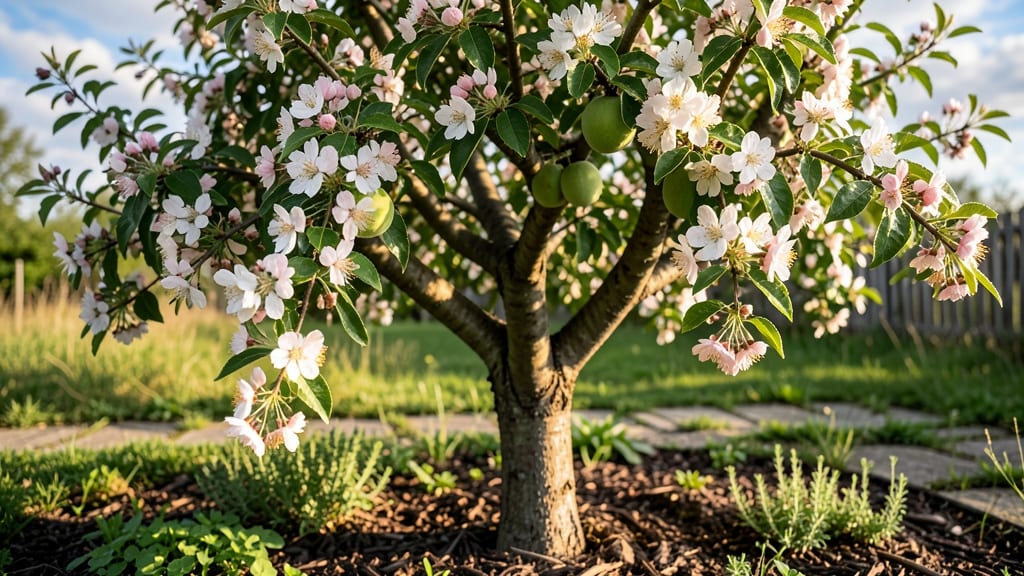
Yes, peach tree flowers do turn into fruit after successful pollination, but only about 5-10% of blooms typically develop into mature peaches due to natural drop-off rates and environmental factors like temperature and water availability.
This transformation begins when bees or wind transfer pollen between flowers, triggering fertilization. 🌸 Once pollinated, only the strongest blooms survive to form fruit, while weaker ones naturally drop off—a process called "June drop."
Factors like consistent watering and proper sunlight can help improve your tree's success rate by supporting healthy development.
Understanding this process helps explain why even heavily blooming trees rarely produce equal numbers of peaches. Temperature swings or drought stress during bloom can further reduce fruit set, so monitoring your tree's environment is key.
For gardeners, this means paying close attention to pollination support and seasonal care to maximize your harvest potential.
💡 In This Article
- How Peach Tree Flowers Develop Into Fruit
- Maximizing Peach Fruit Yield from Blossoms
How peach tree flowers develop into fruit
The transformation from peach tree flower to fruit begins with pollination, where pollen must travel from the male anthers to the female stigma.
Bees are the primary pollinators for peach trees, as their fuzzy bodies pick up pollen while collecting nectar—this process is 80-90% more efficient than wind pollination alone. 🌸 Once pollen lands on the stigma, it germinates within 12-24 hours, forming a pollen tube that grows down the style to fertilize the ovules.
This fertilization triggers the ovary to swell and develop into a peach, while the petals begin to fall naturally.
After successful pollination, the tree enters the fruit set stage, where only 5-10% of blooms survive to maturity due to a process called "June drop." This natural pruning occurs 4-6 weeks after flowering when the tree eliminates underdeveloped or weak fruit to conserve energy.
Environmental factors like temperature swings (below 50°F or above 90°F) during bloom can disrupt this process, causing more flowers to drop.
Humidity also plays a role—low levels (40% relative humidity) can thicken pollen, making it harder for bees to transfer, while high humidity (> 80%) promotes fungal growth that weakens blooms.
Sunlight is equally critical during this phase. Peach trees need 6-8 hours of direct sunlight daily to support photosynthesis, which fuels fruit development. Insufficient light leads to smaller fruit or increased drop-off, while proper sunlight ensures the tree can allocate resources effectively.
The combination of these factors explains why even trees with thousands of blooms rarely produce equal numbers of peaches—the tree prioritizes quality over quantity, investing energy only in the most viable fruit.
What most gardeners don't realize is that the fruit's final size is determined within 2-3 weeks after pollination.
During this window, the tree establishes the peach's basic structure, including seed development and skin thickness. 🍑 This is why consistent watering (1-1.5 inches per week) during this period is crucial—water stress can stunt growth or cause fruit to split later.
The tree's ability to manage these early stages directly impacts whether the fruit will reach maturity or fall off prematurely.
Temperature also influences the timeline. In cooler climates, the entire process from pollination to fruit set takes 6-8 weeks, while warmer regions may see it complete in 4-5 weeks. This variation explains why peach trees in different regions may have different yield potentials, even with similar bloom counts.
For example, a tree in California's Central Valley might set fruit more efficiently than one in the Pacific Northwest due to milder spring temperatures.
Finally, the tree's overall health plays a hidden role. Trees with balanced nutrients (especially nitrogen, phosphorus, and potassium) produce stronger blooms that are more likely to survive pollination. A deficiency in any of these can weaken the flower's ability to sustain fruit development, leading to higher drop rates.
This is why soil testing before bloom season is a smart practice for serious peach growers.