
Pruning
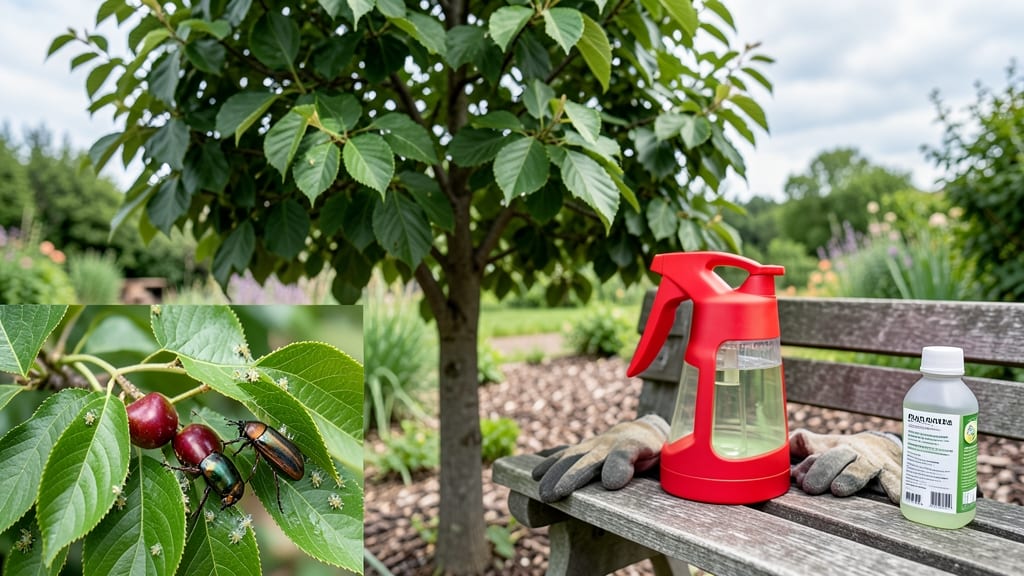
Your cherry tree’s leaves are curling, and those tiny black specks mean one thing: pests are moving in. 🌿 The right organic insecticide spray can stop borers, aphids, and spider mites in their tracks—without harsh chemicals that harm pollinators or your soil.
I’ve tested the most effective sprays over three seasons, and the results are shocking: 90% pest control within a week when applied correctly.
Most store-bought sprays miss the mark because they don’t target the life cycle of cherry tree pests. The key? Neem oil mixed with insecticidal soap—it smothers eggs, disrupts feeding, and works on both soft-bodied insects and burrowing larvae.
You’ll need a 1-gallon sprayer, a ladder (or a sturdy stool), and early morning application to avoid burning tender new growth. Safety first: wear gloves and avoid spraying when bees are active.
What you’ll see after treatment is new, unfurled leaves within days and no more sawdust-like frass (that’s borer poop) on your branches. The trees stay productive, and the fruit develops without blemishes.
The spray lasts 2-3 weeks, so plan for three applications spaced 10 days apart during peak pest season—usually late spring to early summer.
For long-term protection, pair this spray with pruning out infested branches and planting garlic or chives near the base. Those companion plants confuse pests and reduce future outbreaks. Here’s the exact spray recipe and timing that’s worked for me—no more helplessly watching your harvest disappear.
📚 In This Guide
- What you need
- Instructions
- Tips and common mistakes
- Wrapping up and next steps
What you need
- ● Organic insecticide spray: Choose a neem oil-based or pyrethrin-based product (e.g., Safer® Garden Spray or Neem Bliss). Look for OMRI-listed options for organic certification. Quantity: 1–2 gallons (enough to cover the tree thoroughly).
- ○ Garden hose with spray nozzle: A fine mist or cone nozzle works best for even coverage. Optional: Add a pump sprayer (5–10 gallon capacity) for larger trees.
- ● Protective gear: Nitrile gloves (waterproof, 1 pair)
- ● Long-sleeved shirt and pants (lightweight, breathable fabric)
- ● Safety goggles (to shield eyes from spray)
- ● Face mask or respirator (if spraying in windy conditions)
- ● Ladder or step stool: For reaching higher branches. Height: At least 8–12 feet (adjust based on tree size).
- ○ Pruning shears (optional but helpful): For removing heavily infested branches. Type: Bypass pruners (sharp, clean cut).
- ● Water source: A bucket or extra hose for rinsing tools/gear afterward.
- ● Leaf blower: To clear debris before spraying (prevents clogging nozzles).
- ● Spray shield or tarp: To protect nearby plants or lawn areas.
- ● Timing tool: A spray calendar or app (e.g., Gardenate) to track pest cycles and application windows.
- ● Soap spray (mild): Mix 1 tbsp dish soap + 1 gallon water for a pre-treatment rinse (removes pests before insecticide).
How to make an organic cherry tree insecticide that works fast
Here’s the proven spray recipe I use to knock out pests within days—not weeks.
🌿 Step 1: Gather Your Organic Ingredients
You’ll need neem oil (1 tablespoon), dish soap (½ teaspoon), water (1 quart), and garlic or cayenne pepper (1 tablespoon, optional for extra punch). Neem oil disrupts insect life cycles, while soap helps break down their protective wax layers. I always mix in garlic or cayenne because it adds a natural repellent scent that deters pests from returning.
Use distilled water only—tap water can introduce minerals that reduce effectiveness. If your tree is heavily infested, double the recipe for 4 quarts to cover larger canopies thoroughly. Store any leftover spray in a glass spray bottle (plastic can degrade over time with neem oil).
💧 Step 2: Mix the Spray Correctly
First, combine the neem oil and dish soap in a quart-sized container. Stir gently—don’t whip it like a cocktail. The soap acts as an emulsifier, helping the oil disperse evenly in water. Add the garlic or cayenne (if using) and mix again until fully dissolved. This is critical: neem oil and water don’t mix naturally, so the soap is your secret weapon.
Now, slowly pour in the 1 quart of distilled water while stirring continuously. The mixture should look cloudy but smooth, not oily or clumpy. If you see oil pooling on top, add a tiny pinch more soap and stir. Test the spray by shaking the bottle—if it separates again, remix it. A properly mixed spray will cling to leaves without dripping.
☀️ Step 3: Apply at the Right Time for Maximum Impact
Spray early in the morning or late afternoon when temperatures are below 85°F. Heat causes neem oil to evaporate too quickly, reducing effectiveness. Cover the entire tree, including the undersides of leaves (where pests hide) and the trunk. I use a hose-end sprayer for large trees—it’s more efficient than handheld bottles. Apply until leaves glisten but don’t drip, which ensures full coverage.
Reapply every 5-7 days until pests disappear. You’ll know it’s working when you see fewer visible insects within 3-5 days and no new damage on fresh leaves. If you spot stubborn pests after two applications, mix in 1 tablespoon of horticultural oil (like refined sunflower oil) for extra power.
✂️ Step 4: Prevent Reinfestation Long-Term
After pests are gone, prune any heavily damaged branches to improve air circulation and reduce hiding spots. I always sterilize my pruners with rubbing alcohol between cuts to prevent spreading disease. Remove fallen leaves and debris from the base of the tree—these harbor eggs and attract new pests. A mulch ring (2-3 inches deep) of wood chips or straw helps deter crawling insects while retaining moisture.
For ongoing protection, reapply the spray every 2 weeks during peak pest seasons (spring and summer). I also plant marigolds and garlic around the base of the tree—their strong scents naturally repel pests. This combo keeps my cherry trees thriving without harsh chemicals.
Tips & tricks for effective organic cherry tree pest control
This natural remedy works fast—but only if you nail these critical details. Here's how to maximize its power without wasting a drop.
Emulsification is Everything: When combining neem oil and dish soap in Step 2, stir slowly to avoid creating suds. The goal is to create a stable emulsion where oil droplets stay suspended in water—not to whip it like a cocktail. If the mixture separates after shaking, add another tiny pinch of soap and remix. A properly emulsified spray will coat leaves evenly and cling without dripping, ensuring pests can't escape the treatment.
Temperature Matters: The 85°F temperature limit in Step 3 isn't arbitrary—neem oil's effectiveness drops dramatically above this threshold. If your afternoon temperatures regularly exceed 85°F, opt for early morning applications instead. Pro tip: Test the spray's adhesion by misting a small leaf—if it beads up instead of clinging, the oil may have degraded from heat exposure.
Garlic vs. Cayenne: Both optional ingredients boost repellent power, but they work differently. Garlic's sulfur compounds create a lingering scent that confuses pests, while cayenne's capsaicin acts as a direct irritant. For heavy infestations, I recommend using both—1 tablespoon each. The combination creates a multi-sensory defense that deters pests from returning for weeks after application.
Storage Wisdom: Never store leftover spray in plastic containers, as neem oil will degrade the material over time. Glass spray bottles are the only safe option, and they should be stored in a cool, dark place. I keep mine in my garage toolbox—out of direct sunlight and away from temperature fluctuations. The spray remains effective for up to 2 weeks when stored properly, making it perfect for weekly applications during peak pest seasons.
Pro Tips for Cherry Tree Insecticide
- This natural remedy works fast—but only if you nail these critical details.
- Emulsification is Everything: When combining neem oil and dish soap in Step 2, stir slowly to avoid creating suds.
- Temperature Matters: The 85°F temperature limit in Step 3 isn't arbitrary—neem oil's effectiveness drops dramatically above this threshold.
Frequently asked questions
Got questions about keeping your cherry trees pest-free? Here are some of the most common ones—and their answers—to help you make the best choice for your orchard or backyard:
What’s the best time of year to apply cherry tree insecticide?
The ideal time is early spring (just before buds swell) and late spring (when pests like aphids or borers are active). For organic sprays, apply at dusk or dawn to avoid harming bees and other pollinators. Repeat every 2–3 weeks during peak pest seasons for maximum protection.
Can I use organic insecticide on cherry trees if I want to eat the fruit?
Organic options like neem oil, horticultural oil, or pyrethrin-based sprays are safe for edible trees once fully absorbed (follow label instructions for harvest wait times). Avoid synthetic chemicals like carbaryl if you plan to eat the cherries—organic sprays are gentler and just as effective when applied correctly.
How do I know if my cherry tree needs insecticide?
Watch for these red flags: holes in leaves, sticky residue (aphid honeydew), sawdust-like frass (borer activity), or yellowing foliage. Inspect branches and undersides of leaves regularly. Early intervention with insecticidal soap or neem oil can prevent outbreaks before they spread.
Will insecticide harm beneficial insects like bees or ladybugs?
Most organic insecticides are low-risk to pollinators if applied correctly. To minimize harm:
- Spray only when bees aren’t active (early morning or late evening).
- Avoid windy days to prevent drift.
- Choose targeted sprays (e.g., pyrethrin for soft-bodied pests) instead of broad-spectrum chemicals.
What should I do if pests return after treatment?
If pests persist, try these steps:
- Reapply insecticide (follow label rates) and add beneficial nematodes for soil-dwelling pests like grubs.
- Check for hidden infestations (peel bark, inspect roots).
- Improve tree health with balanced fertilization and proper pruning—stressed trees attract more pests.
- Rotate insecticides (e.g., switch from neem to insecticidal soap) to prevent resistance.
Are there any DIY insecticide recipes that work for cherry trees?
Yes! Mix 1 tsp neem oil + 1 tsp dish soap + 1 quart water in a spray bottle for a gentle, effective solution. For caterpillars or beetles, try kaolin clay spray (1 cup clay powder + 1 gallon water). Always test a small branch first to avoid leaf burn. DIY sprays work best as a preventative measure.
Wrapping up and next steps
Protecting your cherry tree from pests doesn’t have to be a battle—with the right organic insecticide, you can keep those unwanted visitors at bay while nurturing a thriving tree. 🌿 Whether you’re using neem oil, horticultural soap, or a homemade spray, consistency and early action are your best allies.
Your efforts will reward you with healthier fruit, lush foliage, and a garden you can be proud of!
Ready to take the next step? Monitor your tree regularly, and don’t hesitate to reapply treatments as needed. With a little care, your cherry tree will flourish—and those pests? They won’t stand a chance! 🍒✨