
Pests and Diseases
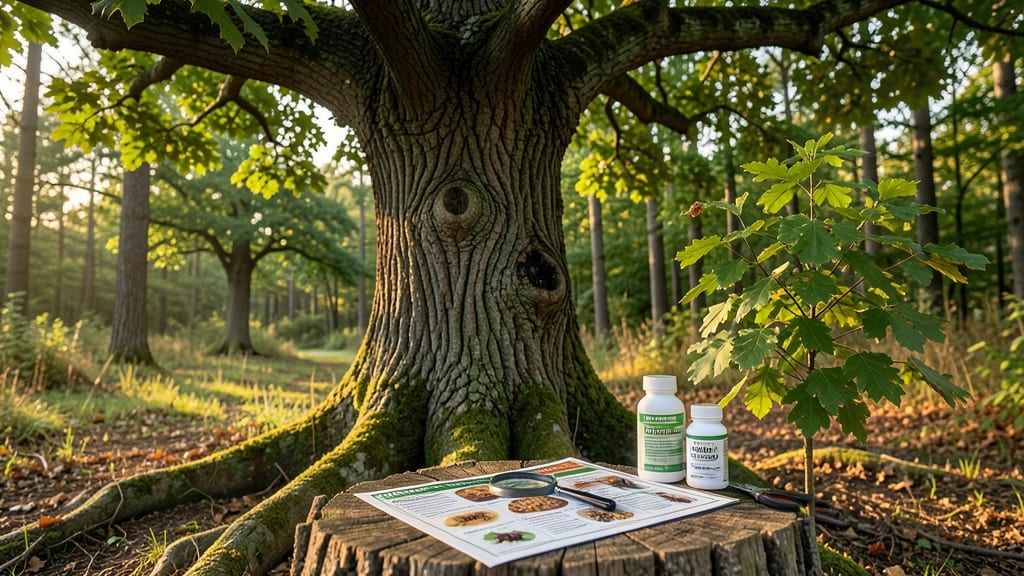
Tree pests and diseases turn your backyard oasis into a battleground before you even notice. 🌳 The first sign—yellowing leaves, oozing sap, or tiny holes in bark—means trouble’s already brewing beneath the surface.
I’ve seen healthy oaks and maples decline in months because we ignored these early warnings, but catching them early means saving your tree (and your wallet). The real culprits? Bark beetles burrowing under bark, scale insects sucking sap, or fungal spores spreading like wildfire in damp weather.
These pests and diseases don’t just attack weak trees—they exploit stress from drought, poor soil, or overwatering. That’s why prevention starts with healthy soil, proper watering, and regular inspections—not just spraying when you see damage.
You’ll learn to spot the telltale signs—wilting branches, sawdust-like frass, or mushrooms at the base—and act before the tree’s compromised. Organic remedies like neem oil, pruning infected limbs, and encouraging beneficial insects can stop outbreaks before they spread. This isn’t about panic—it’s about proactive care.
With the right tools and timing, you can protect your trees for decades. Let’s get started with the first steps to diagnose and defend.
Root Causes Of Tree Struggles
When trees fall victim to pests and diseases, the damage rarely happens in isolation—it’s the result of a perfect storm of environmental, biological, and even human factors. Understanding why these issues arise is the first step to stopping them before they cripple your landscape.
Below, we break down the key triggers that turn healthy trees into battlegrounds for invaders and pathogens.
Trees are living organisms, and just like us, they thrive in stable conditions. But when weather patterns swing too hard or too fast, their defenses weaken—opening the door for pests and diseases.
- Extreme Heat & Drought:
Prolonged dry spells dehydrate trees, making them stressed and more susceptible to bark beetles, spider mites, and fungal infections like Verticillium wilt. Weakened sap flow also fails to flush out pests naturally.
- Heavy Rain & Flooding:
Excess moisture creates the ideal breeding ground for root rot (e.g., Phytophthora) and soil-borne pathogens. It also washes away beneficial microbes, leaving trees vulnerable to armillaria root disease.
- Freezing Temperatures:
Sudden cold snaps can kill cambium layers (the tree’s growth tissue), making it easier for borers (like emerald ash borer) to drill in. Evergreens, in particular, suffer from winter burn, which weakens their resistance.
💡 Pro Tip: Monitor your local USDA Plant Hardiness Zone and adjust watering schedules during unusual weather—consistency is key to resilience.
Not all tree threats are invisible. Some pests actively seek out weakened hosts, while others exploit natural vulnerabilities in a tree’s anatomy.
- Overpopulation Of Pests:
When a single species (e.g., gypsy moths or pine bark beetles) explodes in numbers, they overwhelm a tree’s ability to fight back. These pests often target young, stressed, or isolated trees first.
- Tree Species Vulnerabilities:
Some trees are genetically predisposed to certain diseases. For example:
- Elm trees are highly susceptible to Dutch elm disease (spread by bark beetles).
- Oak trees often fall to sudden oak death (a Phytophthora infection).
- Ash trees have no natural resistance to emerald ash borer.
- Pathogen Entry Points:
Diseases like canker (e.g., Nectria canker) or anthracnose enter through:
- ✂️ Pruning wounds (if tools aren’t sterilized).
- 🌪️ Storm damage (broken branches create open doors).
- 🐝 Insect bites (e.g., sirex woodwasps introduce fungi).
⚠️ Warning: Never prune during wet conditions—moisture speeds up pathogen spread. Always use disinfected tools (70% isopropyl alcohol works).
From well-meaning gardening habits to outright neglect, humans often accelerate tree decline without realizing it.
- Improper Pruning:
Cutting too close to the trunk (within 6–12 inches) or removing too many branches at once stresses trees, making them easy targets. Topping (sawing off the top) is especially deadly—it invites decay fungi like Heterobasidion.
- Soil Compaction & Poor Drainage:
Heavy foot traffic, construction, or clay-heavy soil prevents roots from absorbing oxygen and water. This leads to:
- 🍄 Root rot (from Fusarium or Armillaria).
- 🐜 Sap-sucking pests (e.g., mealybugs) thriving in stagnant, nutrient-poor soil.
- Ignoring Early Signs:
Homeowners often dismiss yellowing leaves or small holes in bark as "normal aging." By the time they notice large infestations or canopy dieback, the tree may already be beyond saving.
🎯 Action Step: Conduct a quarterly tree health check—look for:
- ✅ New growth (healthy = green, firm; unhealthy = brittle or discolored).
- ✅ Bark texture (smooth = good; cracked/peeling = bad).
- ✅ Soil around the base (dry/crusty = root stress; muddy = rot risk).
By recognizing these root causes, you can prevent many issues before they start—or catch them early enough to treat them effectively. The next step? Learn how to spot the warning signs before damage spreads.
Quick Fixes for Tree Troubles
When your trees show signs of stress—whether from pests or disease—acting fast can save their lives. Below, we’ve mapped out practical solutions for common issues, from quick fixes to long-term prevention. Think of this as your tree first-aid kit!
---
#### 🔥 Aphids & Scale Insects: Suffocate the Invaders Cause: Sticky honeydew, curled leaves, or tiny crawling bugs. Fix: - Blast them off 💦 with a strong jet of water (early morning works best). - Neem oil spray (1 tsp per quart of water) disrupts their life cycle—spray undersides of leaves. - Introduce predators like ladybugs or lacewings (buy online or attract with native plants).
Prevention: - Prune regularly to remove infested branches. - Encourage birds—they love snacking on aphids!
---
#### 🍄 Fungal Diseases: Stop the Spread Cause: White powdery spots, black mold, or oozing cankers. Fix: - Prune infected areas 🔪 with sterilized tools (wipe with rubbing alcohol between cuts). - Apply copper fungicide (follow label rates) for powdery mildew or anthracnose. - Improve airflow by thinning dense foliage.
Prevention: - Water at the base (not overhead) to keep leaves dry. - Clean up fallen leaves—they’re fungal breeding grounds!
--- Cause: Wilting, yellowing, or stunted growth from drought or poor soil. Fix: - Deep watering 💧 (1–2 inches per week) with a soaker hose. - Mulch properly (2–4 inches of organic mulch, keep it 6 inches from the trunk). - Test soil pH—amend with lime (raise pH) or sulfur (lower pH) if needed.
Prevention: - Plant the right tree for your climate (check local nursery recommendations). - Monitor moisture—drought-stressed trees attract pests!
--- If your tree is sick beyond saving or pests are out of control, don’t hesitate to contact: - Certified arborists (look for ISA-certified pros). - Local cooperative extension offices (free or low-cost advice). - Pest control services (for invasive species like emerald ash borer).
--- - Inspect trees seasonally (spring, summer, fall)—catch issues early! - Keep records of treatments and symptoms to track progress. - Avoid over-fertilizing—too much nitrogen attracts pests.
Remember: Most tree problems are preventable with routine care. A little effort now saves big headaches (and big bucks) later! 🌳✨
--- Need a deeper dive? Check out our [Tree Health Checklist](#) for step-by-step guides!
Frequently asked questions
How can I tell if my tree has pests or just seasonal changes?
Look for unusual patterns: tiny holes in bark (borers), sticky residue (aphids), or sawdust-like frass (beetles). Seasonal changes cause gradual color shifts, while pests create sudden damage like wilting or leaf drop. Check both sides of leaves and bark crevices for signs.
Is it safe to use chemical pesticides on my tree?
Chemical pesticides can harm beneficial insects and soil microbes. Try organic solutions first: neem oil or insecticidal soap for soft-bodied pests. If chemicals are necessary, use targeted applications (like systemic fungicides) and follow label instructions precisely. Always consult an arborist for severe infestations.
Why do some trees get diseases while others nearby stay healthy?
Healthy trees resist diseases better due to genetics, soil quality, and care. Weakened trees (from drought, poor pruning, or compaction) attract pests first. Even the same species can vary—some have natural resistance, while others lack it. Focus on preventive care like mulching and proper watering to boost resilience.
Can I save a tree with advanced fungal disease?
Early-stage diseases (like powdery mildew) often respond to pruning and fungicides. Advanced cases (e.g., armillaria root rot) may require removal to prevent spread. Test soil for pathogens and consult an arborist before deciding. Some trees can recover with aggressive treatment, but severe cases are often irreversible.
How often should I inspect my trees for pests?
Check trees seasonally (spring, summer, fall) and after storms. Focus on new growth, bark, and leaf undersides. Early detection saves trees—look for signs like holes, ooze, or discoloration. Keep records of treatments to track progress.