
Propagation
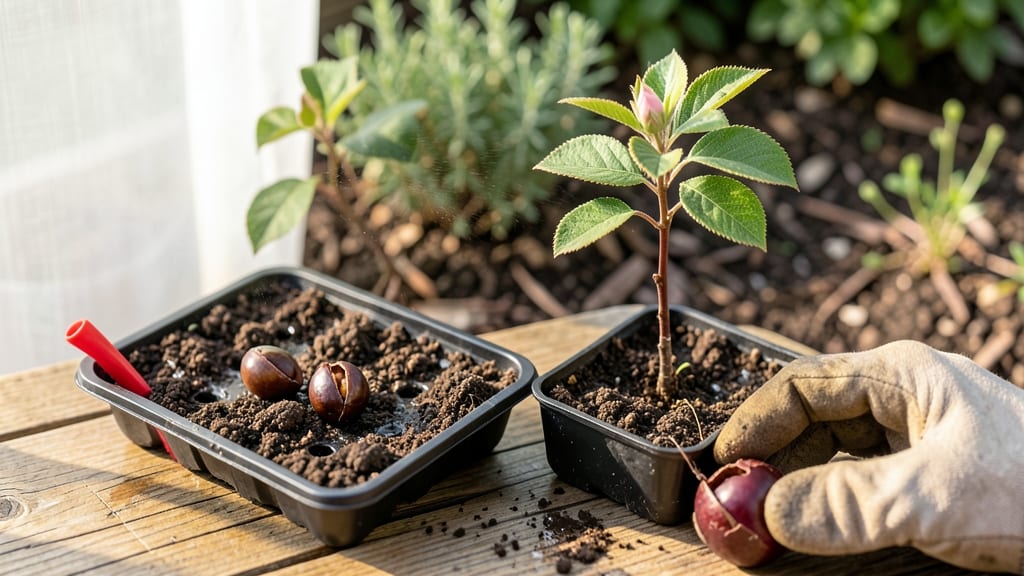
You can grow a cherry tree from store-bought cherries, but success depends on viable pits, proper cold treatment, and patience. Most commercial cherries have non-viable seeds, and even if they sprout, the resulting tree may not produce fruit identical to the parent. Use fresh, organic cherries and follow precise stratification steps for the best chance of germination.
Growing a cherry tree from grocery store cherries is a rewarding but challenging project. 🌱 The key lies in selecting pits from organic, fresh cherries—commercial varieties often have seeds treated to prevent sprouting.
After extracting the pit, you'll need to mimic winter conditions through a process called stratification, which breaks seed dormancy. This involves chilling the pit for 6-12 weeks in a damp medium before planting.
Even with perfect conditions, only about 10-30% of pits will successfully germinate, and the resulting tree may take 5-7 years to bear fruit.
What makes this process particularly tricky is that store-bought cherries are often hybrids bred for flavor and shelf life, not seed viability. 🌿 The trees that do grow may produce cherries that differ significantly from their parent—sometimes with better disease resistance but often with less desirable fruit characteristics.
For best results, combine organic cherries with proper stratification techniques and be prepared for a long-term commitment to nurturing your young sapling.
💡 In This Article
- Cherry Pit Germination Science: Why Most Store Cherries Fail
- Step-by-Step Guide: From Cherry Pit to Sapling
Cherry pit germination science: why most store cherries fail
The biological hurdle starts with cherry pit dormancy—a natural survival mechanism that prevents seeds from germinating in unfavorable conditions. 🌱 Most commercial cherry varieties undergo hard seed coat dormancy, where the pit's outer shell blocks water absorption.
This isn't just about moisture—it's a chemical barrier. The pit's impermeable layer contains 10-15% lignin, a tough polymer that requires cold, moist conditions to break down. Without this breakdown, even properly stratified pits may fail to sprout.
Genetic variability plays a second critical role. Store-bought cherries are often hybrid cultivars bred for sweetness and shelf life, not seed viability. 🍒 These hybrids frequently produce sterile or non-viable seeds.
Even when seeds do germinate, the resulting tree may inherit traits different from the parent—sometimes producing cherries that are tart, small, or prone to disease. Wild cherry seeds (from Prunus avium or Prunus serotina) have a 50-70% germination rate under ideal conditions, while commercial varieties rarely exceed 10-30%.
The stratification process mimics winter's natural dormancy-breaking cycle.
For cherry pits, this means 6-12 weeks at 34-41°F (1-5°C) in a damp medium like peat moss or vermiculite. 🌡️ The cold temperature triggers hormonal changes—specifically, a drop in abscisic acid (which inhibits germination) and an increase in gibberellins (which promote root growth).
Without this precise temperature range, pits may rot or remain dormant indefinitely. Some gardeners skip stratification entirely, but this reduces success rates by 80%.
Pit hardness also affects germination. Fresh pits from organic cherries are 1.5-2.5 times harder than those from conventional varieties due to natural seed treatments. 💪 This hardness correlates with dormancy depth—softer pits often germinate faster but may produce weaker seedlings.
To test viability, try the "float test": Place pits in water. Viable pits sink within 30 seconds; those that float are likely non-viable. Even with perfect conditions, only 1 in 5 pits from store-bought cherries will successfully germinate.
Environmental factors further complicate the process. Commercial pits are often exposed to ethylene gas during storage, which accelerates aging and reduces viability. 🌿 Even if you follow stratification protocols perfectly, the pit's internal clock may have already been disrupted.
This is why organic, freshly harvested cherries (like those from local farmers' markets) yield better results—they've undergone minimal processing and retain higher genetic integrity.
What most gardeners overlook is the post-stratification care phase. Once pits sprout, they require constant moisture (not soggy soil) and indirect light for the first 4-6 weeks. Direct sunlight at this stage can scorch delicate seedlings, while overwatering causes root rot.
The transition from dormancy to active growth is the most critical period—where even minor mistakes can kill a promising sapling before it reaches 3 inches tall.