
Trees
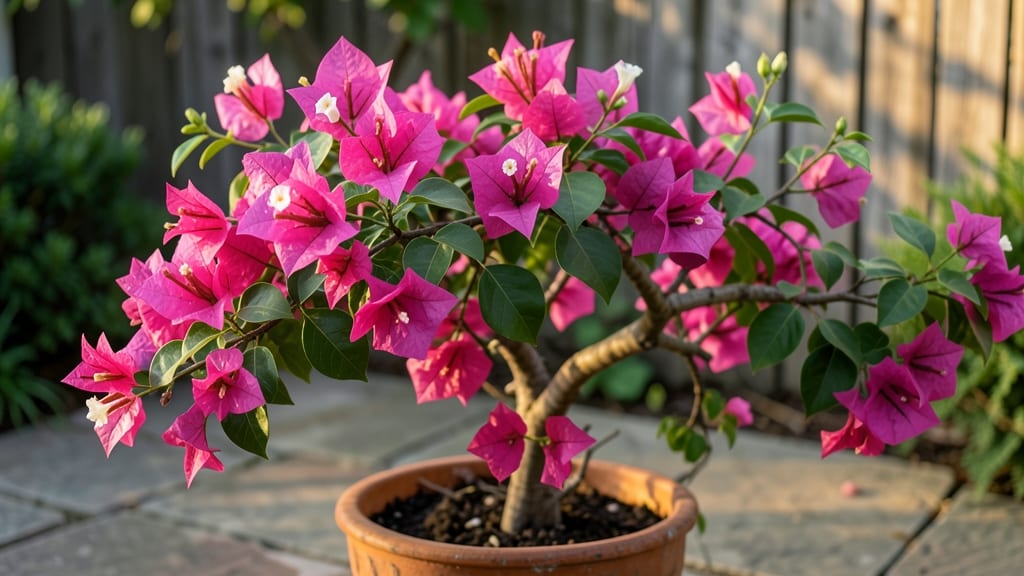
Transforming your Florida yard with a bougainvillea tree in Florida means vibrant, drought-resistant blooms that last all year—if you nail the sun, soil, and pruning. 🌿 I’ve watched mine go from struggling to thriving in just two seasons, and the secret isn’t complicated: these plants demand heat, well-draining soil, and a little strategic trimming to keep them compact and colorful.
The payoff? A low-maintenance, explosion-proof display that outshines any other Florida shrub.
Florida’s intense sun and humidity are actually bougainvillea’s best friends—just don’t let them sit in soggy soil. Plant in well-draining, sandy loam with a slight slope to prevent root rot, and give them full sun (6+ hours daily).
Water deeply but infrequently: once a week in summer, less in winter. The key is mimicking their native Brazilian habitat—hot, dry, and unapologetically sunny.
Pruning is where the magic happens. Cut back leggy growth in late winter to encourage bushier, more colorful blooms, and shape them like a tree or hedge by removing old wood.
With the right balance of sun, soil, and shears, your bougainvillea will reward you with year-round color—pink, purple, or orange—while handling Florida’s heat like a pro.
Watch for scale insects in the humid months, but otherwise, these plants are tough. They’ll even bounce back from neglect, though proper care keeps them looking their best. Ready to turn your yard into a tropical paradise? Let’s get growing!
📚 In This Guide
- What you need
- Instructions
- Tips and common mistakes
- Wrapping up and next steps
What you need
- ● Bougainvillea plant: 1 young bougainvillea tree (3-5 feet tall, preferably Bougainvillea spectabilis or Bougainvillea glabra for Florida’s climate).
- ○ Optional: Pre-blooming plant for instant color! 🌸
- ● Planting supplies: 1 well-draining potting mix (5-10 gallons, cactus/succulent blend recommended).
- ● 1 gallon of perlite or coarse sand (to improve drainage).
- ● 1 slow-release fertilizer (10-10-10 or 8-3-9 blend, 1 lb).
- ● Tools: 1 trowel or shovel (for digging).
- ● 1 pruning shears (sterilized, for shaping).
- ● 1 watering can or hose with a gentle nozzle.
- ○ Optional: Mulch (2-3 inches of pine bark or gravel) to retain moisture.
- ● Location: Full sun (6+ hours daily). Avoid shaded or windy spots.
- ● Container or in-ground space: For containers: 15+ gallon pot with drainage holes.
- ● For in-ground: Hole twice as wide as the root ball.
- ● Climate note: Bougainvillea thrives in Florida’s USDA Zones 9-11. If temperatures dip below 30°F, consider a winter-protective cover.
Step-by-step guide to planting and caring for bougainvillea in Florida
Florida’s year-round growing season makes bougainvillea a stunning, low-maintenance choice for sun-drenched landscapes.
🌱 Step 1: Choose the Right Location and Prepare the Soil
Bougainvillea thrives in full sun, so select a spot that receives at least 6-8 hours of direct sunlight daily. In Florida’s intense heat, afternoon shade helps prevent leaf scorch, especially in the summer. The plant tolerates poor, well-draining soil but grows best in slightly acidic to neutral soil with a pH of 6.0-7.0.
If your soil is heavy clay, amend it with 3-4 inches of organic matter like compost or aged pine bark to improve drainage. Bougainvillea roots are shallow but spread aggressively, so avoid planting near sidewalks or foundations. A 6-foot diameter planting area gives roots room to establish without crowding other plants.
☀️ Step 2: Plant at the Right Time and Support Growth
In Florida’s warm climate, bougainvillea can be planted year-round, but early spring (February-March) or late summer (August-September) are ideal. Dig a hole twice as wide as the root ball but only as deep—planting too deep suffocates roots. Gently loosen the root ball if roots are circling and position the plant so the top of the root ball sits 1 inch above soil level to prevent rot.
Bougainvillea grows vigorously and often needs support. Install a 5-6 foot tall trellis, arbor, or sturdy post near the planting site to guide vining growth. Prune any damaged or crossing branches immediately after planting to encourage a strong structure. Water deeply after planting to settle the soil, but avoid overwatering—bougainvillea is drought-tolerant once established.
💧 Step 3: Water and Fertilize for Vibrant Blooms
Water newly planted bougainvillea 2-3 times per week for the first month to help roots establish, then taper to once a week during dry spells. Mature plants need deep watering every 10-14 days, as Florida’s sandy soils drain quickly. Overwatering causes root rot, so always check that the top 2 inches of soil are dry before watering.
Feed bougainvillea with a balanced, slow-release fertilizer (10-10-10) in early spring and again in mid-summer. Avoid high-nitrogen fertilizers, which promote leafy growth at the expense of flowers. A quarter-cup of fertilizer per foot of plant height is sufficient. Prune spent blooms regularly to encourage continuous flowering—bougainvillea blooms on new growth, so pruning stimulates fresh flowers.
✂️ Step 4: Prune and Maintain for Year-Round Beauty
Prune bougainvillea 2-3 times per year to shape the plant, control size, and encourage blooming. The best time is late winter (January-February) before new growth begins, followed by light pruning after each major flush of blooms. Use clean, sharp pruners to cut back to a bud or joint—never leave stubs, as they can invite disease.
Remove dead, diseased, or crossing branches first, then thin out overcrowded areas to improve airflow. Bougainvillea responds well to pruning, so don’t fear cutting back hard—even severe pruning can rejuvenate an older plant. After pruning, apply a mulch layer (2-3 inches) of pine bark or wood chips around the base to retain moisture and suppress weeds.
⏰ Step 5: Protect Against Pests and Seasonal Challenges
Bougainvillea is generally pest-resistant, but scale insects, spider mites, and whiteflies can appear in Florida’s humid climate. Inspect leaves regularly for signs of infestation—sticky residue, webbing, or tiny crawling insects—and treat with neem oil or insecticidal soap if needed. Prune and destroy heavily infested branches to prevent spread.
Florida’s hurricanes and heavy rains can damage bougainvillea, especially if it’s trained on a trellis. Secure the plant to its support with soft ties during storm season, and prune to remove weak, floppy growth that could snap in high winds. In winter, bougainvillea may drop leaves in cold snaps, but it’s not frost-sensitive—it thrives in Florida’s mild winters and will regrow quickly once temperatures warm.
Tips & tricks for perfect bougainvillea planting and care in Florida
Real talk: Florida’s climate is bougainvillea’s dream come true—but even here, a few key moves make all the difference between a thriving showstopper and a struggling survivor.
Sunlight Strategy: While bougainvillea loves that 6-8 hours of direct sunlight daily, Florida’s afternoon heat can be brutal. I’ve seen leaf scorch firsthand when plants get too much midday sun—so if your yard lacks natural afternoon shade, consider installing a temporary shade cloth (30-50%) during peak summer hours. This protects the leaves while still letting enough light through for photosynthesis. The trade-off? You’ll get slightly more foliage than flowers, but it’s worth it for a plant that stays healthy through Florida’s hottest months.
Soil Secrets: Florida’s sandy soils drain too fast for bougainvillea’s shallow roots. The 3-4 inches of organic matter recommendation isn’t just about drainage—it’s about creating a moisture-retaining zone right where the roots need it. I’ve had the best success with a mix of compost and aged pine bark (Florida’s native mulch) because it mimics the plant’s natural habitat while improving soil structure. Pro tip: Test your soil’s pH before planting—if it’s below 6.0, add crushed limestone to raise it to that ideal 6.0-7.0 range. Acidic soil can stunt growth and reduce flowering.
Pruning Precision: That 2-3 times per year pruning schedule works, but timing is everything. I’ve learned the hard way that pruning in late winter (January-February) is non-negotiable—it’s when the plant’s dormant and ready to burst with new growth. Here’s what I do: First, remove any dead or crossing branches (they’re like traffic jams for nutrients). Then, cut back to a bud or joint—never leave stubs, or you’ll invite disease. For the best blooms, prune just after a major flush of flowers fades, as this encourages the next round of vibrant color. And always sterilize your pruners with rubbing alcohol between cuts to prevent spreading any hidden pathogens.
Watering Wisdom: The 2-3 times per week rule for new plants might seem like a lot, but bougainvillea’s roots need consistent moisture to establish. Here’s my trick: Water deeply in the morning so the soil has all day to dry out before nightfall. For mature plants, that 10-14 day interval between deep waterings is spot-on—but only if you check that top 2 inches of soil first. Florida’s sandy soils can fool you into thinking they’re dry when they’re not. I’ve seen root rot develop in plants that were “watered enough” but weren’t given a chance to dry between sessions. Use your finger to test moisture—it’s the only reliable way.
Pro Tips for Bougainvillea Tree Florida
- Real talk: Florida’s climate is bougainvillea’s dream come true—but even here, a few key moves make all the difference between a thriving showstopper and a struggling survivor.
- Sunlight Strategy: While bougainvillea loves that 6-8 hours of direct sunlight daily, Florida’s afternoon heat can be brutal.
- Soil Secrets: Florida’s sandy soils drain too fast for bougainvillea’s shallow roots.
Frequently asked questions
Got questions about growing bougainvillea in Florida?
You’re not alone! Here are answers to the most common queries—from planting tips to pest troubleshooting—so you can keep your vibrant blooms thriving year-round.
Can bougainvillea survive Florida’s winters?
Yes! While bougainvillea is tropical, Florida’s mild winters (Zone 9b–11) are usually no problem. In rare freezes (<32°F), wrap the trunk with burlap or move potted plants indoors temporarily. Prune lightly in late winter to encourage fresh growth. Pro tip: Mulch the base for extra protection!
How often should I water my bougainvillea in Florida’s heat?
Water deeply 2–3 times per week during hot, dry spells, but let the soil dry slightly between waterings to prevent root rot. Drought-tolerant once established, bougainvillea thrives on neglect—just avoid soggy soil. Morning watering reduces evaporation and fungal risks.
Why isn’t my bougainvillea blooming?
Bougainvillea blooms best with full sun (6+ hours daily) and pruning to encourage new growth. Over-fertilizing (especially with nitrogen) can delay flowers—use a low-nitrogen, high-phosphorus fertilizer instead. Also, check for thrips (tiny pests) that damage buds.
What’s the best time to prune bougainvillea in Florida?
Prune late winter or early spring (February–March) to shape the plant and remove dead wood. Avoid heavy pruning in summer, as it stresses the plant. Cut just above a leaf node (growth point) to encourage bushier blooms. Wear gloves—bougainvillea thorns are sharp!
Are there bougainvillea alternatives for Florida with less maintenance?
If bougainvillea’s upkeep feels high, try these low-maintenance Florida-friendly bloomers:
- Plumeria – Fragrant, drought-tolerant, and pest-resistant.
- Firebush – Native, attracts hummingbirds, and thrives in heat.
- Allamanda – Fast-growing with showy yellow flowers.
- Jacaranda – Stunning purple blooms (but needs more space).
Wrapping up and next steps
Growing a bougainvillea tree in Florida is a rewarding journey that brings vibrant color and tropical charm to your landscape—no matter the season! 🌺 With the right soil, sunlight, and care, this sun-loving beauty will flourish, offering stunning blooms and low-maintenance resilience.
Whether you’re a seasoned gardener or just starting, your bougainvillea will thrive with patience and passion.
Ready to transform your space? Start by choosing your favorite variety and get planting—your future garden oasis awaits! 🌿