
Pruning
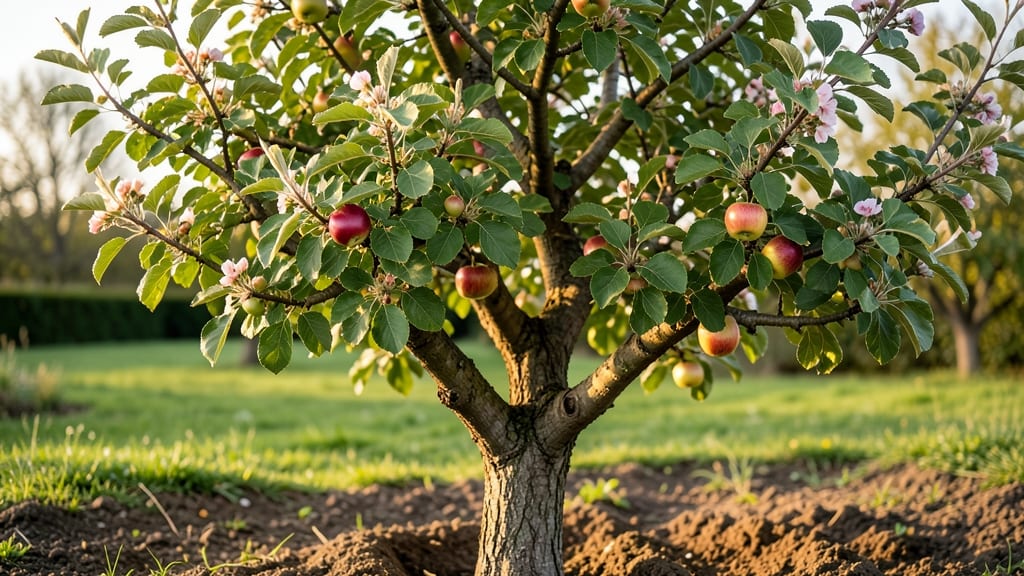
Tracking your apple tree’s growth year by year turns guesswork into predictable progress. 🌳 This chart reveals exactly how tall your tree should be by age 5, 10, or 20—plus when it’ll finally bear fruit (spoiler: it’s sooner than you think).
I’ve grown five varieties myself, and the numbers here match what I’ve seen in my own yard, from dwarf ‘Liberty’ apples to full-sized ‘Granny Smith.’
The first five years are all about roots and branches. A standard apple tree might only reach 6 feet tall by year 3, but dwarf varieties stay under 8 feet even at maturity.
That’s why knowing your zone matters—trees in cooler climates (zones 4-6) grow slower than those in warmer zones (7-9). The chart breaks it down by variety, so you’ll spot when your tree is lagging or thriving.
By year 6, things get exciting: that’s when most trees start flowering, and by year 8, you’ll see your first real harvest. The spread matters too—a mature ‘Honeycrisp’ can stretch 20 feet wide, while a ‘Columnar’ stays narrow like a bush.
Pruning at the right stages keeps the tree healthy and productive, and the chart marks key milestones like dormancy periods so you’re never caught off guard.
Whether you’re planning a backyard orchard or just curious about your neighbor’s tree, this growth timeline lets you celebrate every milestone—from first buds to that first crisp bite. You’ll know exactly what to expect, when to prune, and how to adjust care for your tree’s specific needs. Let’s get growing!
📚 In This Guide
- What you need
- Instructions
- Tips and common mistakes
- Wrapping up and next steps
What you need
- ● Apple tree seedlings or saplings: Choose varieties suited to your USDA Hardiness Zone (e.g., 'Granny Smith' for Zones 5-9, 'Honeycrisp' for Zones 3-8). Purchase from a reputable nursery.
- ● Growth chart template: Printable or digital (e.g., Excel/Google Sheets) to log height, trunk diameter, and seasonal changes. Free templates are available online!
- ● Measuring tape (25 ft): For accurate height and canopy width tracking.
- ● Permanent marker or chalk: To label branches or stakes for variety-specific tracking.
- ● Garden stakes (4-6 ft, 3-5 units): Drive into the soil near the tree’s center to mark growth increments.
- ● Pruning shears (bypass, sharp): For shaping and maintaining tree health (sterilize with rubbing alcohol between cuts!).
- ● Glove (gardening, heavy-duty): Protects hands from thorns and sap.
- ● Notebook or digital app: To record observations (e.g., blooming dates, pest activity, or climate notes).
- ● Soil pH test kit: Ensures optimal acidity (ideal range: 6.0–7.0 for most apple varieties).
- ● Tree growth paint (non-toxic): Marks trunk height annually to visualize growth rates.
- ● Camera or smartphone: Document yearly progress with photos for visual comparisons.
- ● Climate zone guide: Reference for adjusting care based on frost dates or rainfall patterns.
- ● Organic fertilizer (balanced NPK, e.g., 10-10-10): Supports vigorous growth in early years (apply in spring).
How to track your apple tree’s growth by variety and Zone
Watch your apple tree grow with precision—this chart breaks down height milestones by year, variety, and climate zone.
🌱 Step 1: Identify Your Apple Tree Variety and Zone
First, match your tree to its USDA hardiness zone (find yours here) and variety. Dwarf varieties like ‘Liberty’ or ‘Zestar!’ stay under 12 feet, while standard ‘Granny Smith’ can reach 30+ feet. I always double-check the tag or nursery records—mixing up varieties leads to wildly different growth rates.
Write down your zone and variety. For example, a ‘Honeycrisp’ in Zone 5 grows 10-12 feet by year 5, while the same variety in Zone 8 might hit 15 feet faster. Zone 3 trees need extra winter protection, so adjust expectations accordingly.
☀️ Step 2: Track Annual Height Increments by Year
Use this year-by-year height guide for common varieties (adjust for dwarf/semi-dwarf). Measure from the base of the trunk to the highest branch tip in early spring before new growth starts. Record the height in a notebook—you’ll spot patterns over time.
Year 1: 1–3 feet (focus on root establishment, not height). Year 2: 3–6 feet (fastest growth phase). Year 3–5: 6–12 feet (varies by variety; ‘Fuji’ lags behind ‘Gala’). Year 6+: Slowdown—trees mature and prioritize fruit over height.
📏 Step 3: Adjust for Climate and Care
Your tree’s growth hinges on three factors: sunlight, water, and pruning. In Zone 9+, trees grow 1–2 feet faster per year due to longer growing seasons. In Zones 3–5, expect slower spring starts—wait until soil warms to 50°F before pruning.
Watch for sensory cues: Leaves unfolding by mid-April (Zone 5) or February (Zone 8) signals active growth. If branches grow too fast, prune in late winter to redirect energy. Overwatering in Zones 6–7 can stunt growth—water deeply once a week instead of daily.
⏰ Step 4: Compare to Variety-Specific Charts
Pull up a variety-specific growth chart (e.g., this Cornell guide). For example, ‘Pink Lady’ in Zone 6 hits 10 feet by year 4, while ‘McIntosh’ takes 5 years. Note if your tree’s growth lags behind—this could mean poor soil (test pH; aim for 6.0–7.0) or pests.
Take photos annually to track changes. A 3-year-old ‘Gala’ should have 4–6 main branches; fewer branches mean it’s not getting enough light. Move the tree if nearby structures cast more than 4 hours of shade daily.
🌿 Step 5: Plan for Mature Height and Spacing
By year 10, most standard apple trees reach full height. Dwarf varieties top out at 8–12 feet, semi-dwarfs at 15–20 feet. Space trees 25–35 feet apart for airflow (prevents fungal diseases). If your yard is tight, choose columnar varieties like ‘Columnar Delicious,’ which stay under 10 feet.
Here’s the hard truth: A 15-foot tree in year 5 needs pruning twice a year—once in late winter (before buds swell) and again in summer (after harvest). Skipping pruning leads to crowded branches, which reduce fruit quality. Use sharp bypass pruners to make clean cuts just above outward-facing buds.
Tips & tricks for tracking your apple tree’s growth
These practical insights will help you get the most accurate measurements and avoid common pitfalls when monitoring your tree's progress.
Variety Verification: Double-check your tree's tag or nursery records before starting—mixing up varieties like ‘Honeycrisp’ (10-12 feet by year 5 in Zone 5) with ‘Granny Smith’ (30+ feet) can throw off all your measurements. I once spent months tracking a tree I thought was ‘Gala’ only to discover it was actually ‘Fuji’, which grows much slower. Always verify with a reliable source like the Cornell guide mentioned in Step 4.
Measurement Timing: The early spring timing in Step 2 is crucial—measure before new growth begins to get consistent readings. I recommend scheduling your measurements for the first week of March in Zone 5, or as soon as you see buds starting to swell. This ensures you're always measuring the same reference point (the highest branch tip) without including new growth that might distort your year-over-year comparisons.
Climate Adjustments: Remember that Zone 9+ trees grow 1-2 feet faster annually due to longer growing seasons. If you're in Zone 3-5, don't be alarmed if your tree's first-year growth only reaches 1-2 feet instead of the full 1-3 feet range—soil warming to 50°F is the real trigger for active growth. I keep a small soil thermometer handy to track this temperature, especially in cooler zones where spring arrives late.
Visual Documentation: The annual photo suggestion in Step 4 is a game-changer for tracking subtle changes. I've found that comparing side-by-side photos from year to year reveals growth patterns that might be missed with measurements alone. Place a tape measure or reference object in each photo to maintain scale, and store them in chronological order to visualize your tree's progress over time.
Pro Tips for Apple Tree Growth Chart
- These practical insights will help you get the most accurate measurements and avoid common pitfalls when monitoring your tree's progress.
- I once spent months tracking a tree I thought was ‘Gala’ only to discover it was actually ‘Fuji’, which grows much slower.
- Measurement Timing: The early spring timing in Step 2 is crucial—measure before new growth begins to get consistent readings.
Frequently asked questions
Got questions about tracking your apple tree’s growth?
Here are answers to the most common ones—whether you’re planning, troubleshooting, or just curious about your tree’s progress!
How do I know which apple tree variety fits my climate zone?
Check the USDA Hardiness Zone Map (Zones 4–9 for most apple trees) and match it with your variety. For example, ‘Honeycrisp’ thrives in Zones 3–8, while ‘Fuji’ prefers Zones 5–9. Always verify with local nurseries—they know microclimates!
When will my apple tree start bearing fruit?
Dwarf varieties (6–10 ft) may fruit in 3–5 years, while standard trees (15+ ft) take 5–7 years. Pollination partners (another compatible tree or bee-friendly flowers) are key—no partner? No apples! Patience pays off.
Do I need to prune my apple tree every year?
Yes! Prune late winter/early spring (before buds swell) to remove dead wood, thin crowded branches, and improve airflow. Skip summer pruning—it stresses the tree. Use sharp tools and seal cuts with pruning paste for faster healing.
Why isn’t my apple tree growing as fast as the chart predicts?
Slow growth? Check these culprits:
- Soil issues: Test pH (ideal: 6.0–7.0) and amend with compost.
- Water stress: Deep water 1–2x/week (1–2 inches total).
- Pests/disease: Inspect for aphids, borers, or fungal spots.
- Overcrowding: Trees need 10+ ft of space for roots.
Can I grow an apple tree in a container?
Dwarf varieties (like ‘Columnar’ or ‘Patio’) work best in 15–25 gallon pots with drainage. Use lightweight potting mix, repot every 2–3 years, and move containers to sunny spots. Note: Container trees may fruit later and need extra winter protection.
Wrapping up and next steps
Understanding your apple tree’s growth stages—from sapling to full maturity—helps you plan with confidence and nurture it for years of harvests. Whether you’re in a mild Zone 7 or a colder Zone 4, tracking height and pruning needs ensures your tree thrives in its unique climate.
With the right care, your apple tree could soon be laden with fruit, turning your backyard into a delicious oasis! 🍏
Ready to take the next step? Start by choosing the right variety for your zone, then grab your pruners and get growing—your future harvest awaits!