
Pruning
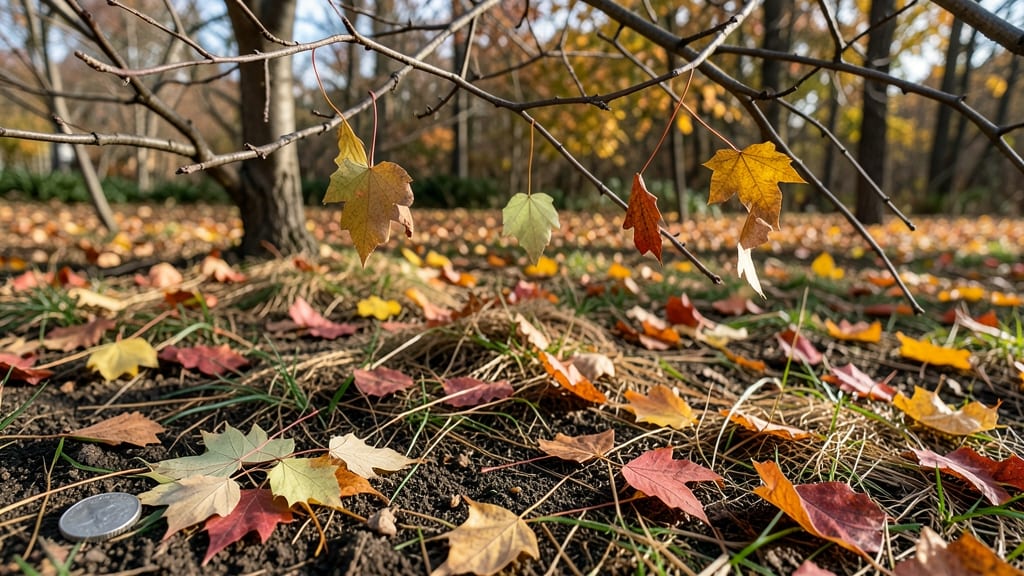
Maple tree helicopters, or samaras, typically fall between late summer and early autumn, with sugar maples dropping seeds in September and silver maples often releasing them earlier in late August. Timing varies by species, climate, and tree maturity.
Maple tree helicopters, those iconic winged seeds, follow a predictable schedule shaped by both biology and environment. 🌳 The exact timing depends heavily on your region—warmer southern climates may see them drop as early as late July, while northern areas could push the window into October.
Sugar maples, prized for their syrup, tend to hold onto their samaras longer, while fast-growing silver maples release theirs more aggressively when conditions are right. This natural variation means gardeners should monitor their trees closely, especially if planning to collect seeds for propagation.
What's fascinating is how temperature triggers this process.
Maple trees typically respond to dropping daylight hours and cooler temperatures, but a late summer heatwave can sometimes advance the seed drop by several weeks. 🌡️ Urban areas might experience slightly earlier drops due to the "heat island" effect, where pavement and buildings create microclimates.
The maturity of the tree also plays a role—younger trees may produce fewer helicopters, while mature specimens can create a dramatic "helicopter blizzard" when the seeds release all at once.
💡 In This Article
- How Climate and Maple Tree Species Affect Seed Drop Timing
- Best Ways to Collect and Use Falling Maple Tree Helicopters
How climate and maple tree species affect seed drop timing
Maple samaras—those iconic "helicopters"—follow a biological clock tied to temperature and daylight. Trees detect dropping temperatures and shorter days through specialized cells called photoreceptors in their leaves. When nighttime temperatures consistently drop below 60°F for 3-5 days, the tree triggers seed dispersal.
This explains why northern climates often see samaras fall in late September or October, while southern regions may experience drops as early as mid-August.
The species makes a huge difference too. Sugar maples (Acer saccharum) are the most patient, typically releasing seeds in September-October when they're fully mature. Silver maples (Acer saccharinum), however, are early birds, often dropping seeds in late August—sometimes even in July during unusually warm summers.
Red maples (Acer rubrum) fall somewhere in between, with seed drops spanning from late August to mid-September.
Local climate patterns create even more variation. In humid continental climates (like the Midwest), samaras often fall during Indian summer periods—those unseasonably warm spells in autumn. Meanwhile, in Mediterranean climates (like parts of California), the dry heat can accelerate seed drop by 2-3 weeks compared to nearby coastal areas.
Urban environments also play a role, with city trees sometimes dropping seeds 1-2 weeks earlier due to the urban heat island effect.
Tree maturity is another critical factor. Young maples (under 10 years old) may produce fewer samaras and release them inconsistently. Mature trees, however, can create a synchronized mass release—sometimes dropping thousands of seeds per day—when conditions align.
This synchronized drop maximizes seed dispersal chances before winter sets in, a survival strategy that's particularly visible in sugar maple forests where entire groves appear to "rain" helicopters.
One fascinating mechanism is how trees balance seed production with energy reserves. Maple trees allocate 20-30% of their annual energy to seed production, which means they won't drop samaras until they've stored enough carbohydrates. This explains why drought-stressed trees might delay seed drop until rainfall returns.
The tree's phloem transport system (which moves nutrients) actually slows down in preparation for seed release, creating a measurable drop in sap flow that arborists can detect.
For practical observation, pay attention to these visual cues: Leaves turning color (though not necessarily fully brown) often coincides with samara drop. In sugar maples, you'll notice the winged seeds begin detaching when leaves reach 50-70% of their autumn color change.
Silver maples, meanwhile, may drop seeds while still 50% green—a key difference for identifying species by their seed drop patterns.