
How To
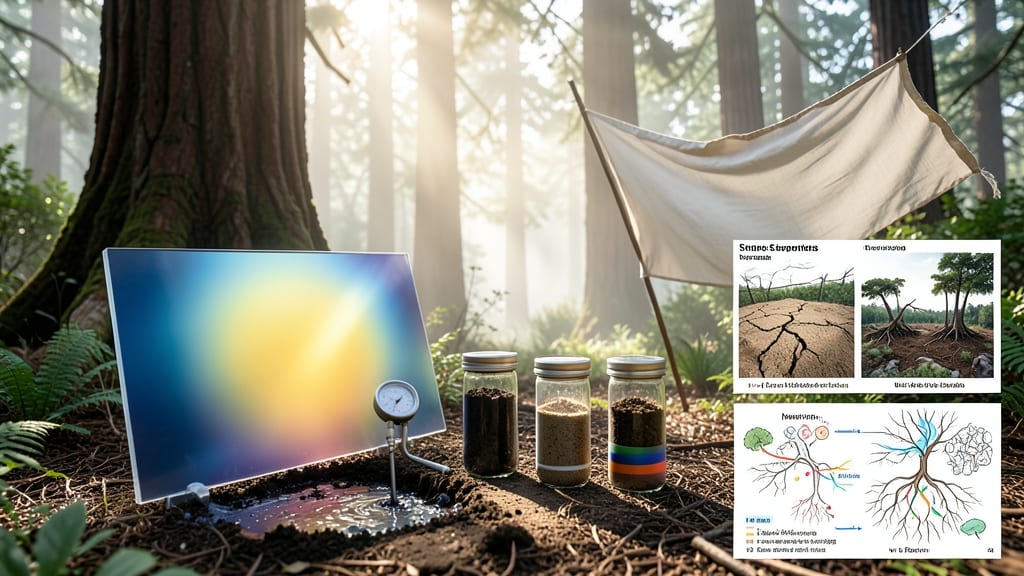
What factors might affect how tall a coast redwood tree can grow depends on soil quality, water availability, climate conditions, genetic potential, and competition for sunlight, with ideal conditions allowing growth up to 379 feet.
These towering giants thrive in environments that combine deep, nutrient-rich soil with consistent moisture—think foggy coastal climates where humidity stays high year-round. 🌲 The genetic blueprint of each tree plays a starring role too; seedlings from older, taller parent trees inherit growth potential, while environmental stressors like drought or wind can stunt development.
I've seen firsthand how redwoods in protected groves reach their full height potential, while those in urban areas or dry regions often max out at half their possible stature.
What's fascinating is how these factors interact. For example, poor soil drainage might limit root expansion, while excessive sunlight can actually stress young trees by increasing water loss. The balance between these elements determines whether a redwood becomes a 30-foot shrub or a 379-foot skyscraper.
💡 In This Article
- How Soil and Climate Shape Coast Redwood Growth
- Genetic and Environmental Factors in Redwood Height Development
How soil and climate shape coast redwood growth
Coast redwoods thrive in environments where soil acts like a living sponge, retaining moisture while providing essential nutrients. Their deep root systems—capable of extending 100 feet or more—require well-drained yet water-rich soil to support their massive height.
The redwood's signature tannin-rich bark helps regulate water loss, but without consistent moisture, growth slows dramatically. In ideal conditions, such as the foggy coastal regions of California, these trees can absorb 200 gallons of water daily through their bark alone, a process called cutaneous transpiration.
The climate plays an equally critical role, with temperatures rarely dropping below 32°F or exceeding 90°F. Redwoods prefer moderate climates where humidity stays high, often above 80%, thanks to coastal fog that acts like a natural irrigation system.
This fog provides 20-40% of their water needs, reducing reliance on deep soil moisture. Without this climate balance, redwoods struggle to grow beyond 150 feet, as seen in drier inland regions where they max out at 80-100 feet.
Nutrient availability also matters—redwoods prefer soil with high organic content, like decomposed leaves and wood, which provide nitrogen and phosphorus. In nutrient-poor soils, growth rates can drop by 30-50%, limiting their height potential.
For example, redwoods in the Redwood National Park grow twice as fast as those in nutrient-deficient areas due to the rich, volcanic-derived soil. 🌲
Sunlight is another key factor, though it’s often misunderstood. While redwoods need partial shade to conserve moisture, excessive sunlight increases water loss through transpiration. Young redwoods in open areas grow 20-30% slower than those in shaded groves, where competition for light is minimal.
This balance between light exposure and moisture conservation is why redwoods often grow taller in dense forests where overhead canopy reduces direct sunlight.
Finally, wind exposure affects growth patterns. Coastal winds can strip moisture from leaves and bark, but they also help distribute seeds and reduce pest pressure. In wind-sheltered areas, redwoods grow straighter and taller, while exposed trees develop thicker bark and shorter stature.
The Hyperion tree, the world’s tallest at 379 feet, thrives in a sheltered microclimate where these factors align perfectly.