
Watering
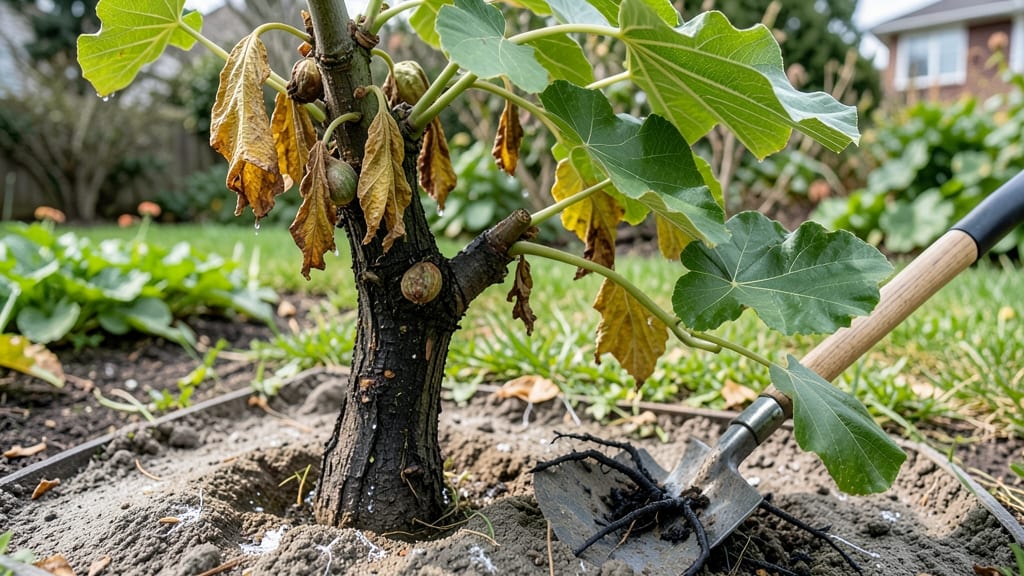
An overwatered fig tree looks like it's drowning—leaves turn yellow, stems get mushy, and the soil smells like wet socks. 🌱 I’ve seen this happen after just one heavy watering session, and it’s heartbreaking because the tree looks thirsty but is actually suffocating.
The roots can’t breathe, leading to rot that spreads faster than you’d think.
Yellowing leaves that start at the bottom are your first clue, but check the roots too—they’ll be dark, slimy, and smell foul. Unlike underwatered trees that wilt and crisp at the edges, overwatered figs stay droopy even when the soil is wet.
Fungal growth on the bark or soil surface is another red flag.
Fixing it starts with letting the soil dry out completely between waterings—figs hate soggy roots. Improve drainage by adding perlite or sand to the mix, and water only when the top 2 inches of soil feel dry. Within a few weeks, you’ll see new growth as the roots recover.
Container-grown figs need extra care—small pots dry out faster but also trap moisture. If you’re unsure, stick your finger in the soil: if it’s damp below 1 inch, wait before watering. Patience is key—figs bounce back once they’re not drowning.
Root Causes Of Overwatering
Overwatering a fig tree isn’t just about too much water—it’s a cascade of environmental and human factors that disrupt the plant’s delicate balance. Understanding these triggers helps you adjust care before the damage becomes irreversible. Here’s why it happens, broken down into the most common culprits:
Fig trees thrive in well-draining soil, but when drainage fails, excess water pools around roots, suffocating them. Here’s how it plays out: - Compacted or Clay Soil: Dense, heavy soils (like clay) trap moisture like a sponge, preventing oxygen from reaching roots.
Figs hate "wet feet" and will show distress within days of sitting in soggy conditions. - Lack of Drainage Holes: Containers without drainage holes act like bathtubs for your fig. Water sits at the bottom, drowning roots in anaerobic (oxygen-free) conditions, which triggers fungal growth and root rot. - Improper Mulching: Too much organic mulch (like thick wood chips) can smother the soil, blocking airflow and trapping moisture. Pro tip: Mulch should be 2–3 inches deep and kept 6 inches away from the trunk to avoid suffocation.
Actionable Fix: Amend soil with perlite, sand, or coconut coir (20–30% by volume) to improve aeration. For pots, elevate them on saucers with pebbles to encourage airflow.
Figs despise inconsistency—whether it’s drowning them one day or neglecting them the next. Overwatering often stems from: - Watering on a Schedule: Figs need 1–1.5 inches of water per week (more in heat), but rigid schedules ignore humidity, rainfall, or seasonal changes.
A downpour can make your "watering day" a disaster. - Ignoring Soil Moisture: Sticking your finger 1–2 inches deep into the soil tells you more than a calendar. If it’s damp, wait.
If it’s bone-dry, hydrate deeply. - Light, Frequent Watering: Shallow watering encourages roots to stay near the surface, where they’re more prone to rot. Figs need deep, infrequent watering to develop strong taproots.
Actionable Fix: Use a moisture meter or the "squeeze test"—grab a handful of soil; if it clumps tightly, it’s too wet. Adjust your routine based on weather and soil type.
Potted figs are at higher risk because their root systems are confined. Common container-related causes include: - Small or Shallow Pots: Roots outgrow their space quickly, leading to root binding (roots circling the pot).
This restricts water flow and forces roots to compete for oxygen in stagnant water. - No Aeration: Dense potting mixes (like pure peat) compact over time, reducing porosity.
Roots suffocate, and fungal pathogens like Phytophthora move in. - Overpotting Without Upgrades: Moving a fig to a larger pot without fresh, well-draining soil just traps old, compacted mix—bringing the old problems along.
Actionable Fix: Repot every 2–3 years with a mix designed for Mediterranean plants (e.g., 60% cactus/succulent soil + 30% perlite + 10% compost). Ensure pots have drainage holes and are 10–20% larger in diameter than the root ball.
Even with perfect watering, external factors can push a fig into overwatering territory: - Low Temperatures: Figs grow best in USDA Zones 7–10. Below 40°F, roots slow down, reducing their ability to absorb water efficiently.
Overwatering in cool weather = root asphyxiation. - High Humidity: Humid climates (like tropical regions) slow evaporation, keeping soil wet longer.
Figs in these areas need less frequent watering but still require airflow (e.g., fans, open spaces). - Rainfall Overload: Figs in ground beds can drown during heavy rains. Mounding soil around the base or installing French drains redirects excess water away from roots.
Actionable Fix: Monitor local weather forecasts and adjust watering accordingly. In humid climates, water only when the top 3 inches of soil are dry. For cold snaps, reduce watering by 50% until temps rise.
Sometimes, well-meaning gardeners accidentally strangle their figs: - Using the Wrong Water: Tap water with high salts or chemicals (like fluoride) can alter soil chemistry, making it harder for roots to absorb moisture.
Overcompensating leads to overwatering. - Over-Mulching: Mulch is a double-edged sword—too much acts as a water trap. Figs need minimal mulch (or none in containers) to prevent moisture buildup. - Ignoring Seasonal Needs: Figs go dormant in winter (in colder climates), requiring far less water.
Overwatering during dormancy forces roots to work in cold, wet soil, inviting rot.
Actionable Fix: Use rainwater or distilled water if tap water is harsh. In winter, reduce watering to once every 3–4 weeks (or when soil is completely dry).
Unseen threats can turn a healthy fig into a soggy mess: - Root-Knot Nematodes: These microscopic worms burrow into roots, creating galls that block water uptake. Infested roots rot faster when overwatered. - Fungal Infections: Pathogens like Fusarium or Pythium thrive in waterlogged soil.
They clog root cells, preventing oxygen exchange and leading to mushy, blackened roots. - Scale or Mealybugs: Sap-sucking pests weaken the tree, reducing its resilience to stress. A stressed fig can’t handle excess water as well.
Actionable Fix: Inspect roots during repotting for galls, discoloration, or slimy texture. Treat soil with neem oil or beneficial nematodes if pests are suspected. Sterilize pots with a 10% bleach solution before reuse.
Key Takeaway: Overwatering is rarely just about too much water—it’s a mix of poor drainage, ignorance of soil conditions, and environmental mismatches. The good news? Most issues are preventable with simple adjustments to soil, containers, and routines. Next up: [How to Revive an Overwatered Fig Tree](link).
Reviving Your Fig Tree: Step-by-Step Fixes
Overwatering can turn your fig tree into a soggy, sad sight, but the good news is—it’s often reversible! The key is acting fast, adjusting your watering habits, and giving your tree the right care to bounce back.
Below, we’ll break down cause-specific solutions to nurse your fig tree back to health, plus tips to keep it thriving long-term.
If your fig tree’s leaves are turning yellow or wilting, it’s likely suffering from root rot or nutrient leaching from excess moisture.
🔥 Step 1: Stop Watering Immediately
- Pause all watering for at least 3–5 days to let the soil dry out. This prevents further rot and gives roots a chance to recover.
- If the soil feels soggy or smells foul, wait even longer (up to a week).
🍳 Step 2: Check the Roots (Gently!)
- Carefully dig around the base (1–2 inches deep) to inspect the roots.
- Healthy roots: Firm, white or tan, with a slight sheen.
- Rotten roots: Mushy, dark brown/black, or crumbling.
- If <30% of roots are rotten, trim the bad ones with sterilized pruners (dip in hydrogen peroxide or rubbing alcohol).
- If >50% are rotten, your tree may need repotting (see next step).
👨🍳 Step 3: Repot or Adjust Soil (If Needed)
- For container figs: Move the tree to a clean pot with fresh, well-draining soil (mix 60% potting soil + 30% perlite + 10% sand).
- For in-ground figs: Dig a 6-inch-deep trench around the base, replace the soggy soil with dry, amended soil, and water lightly.
- Pro tip 💡: Add orchid bark or coconut coir to improve drainage if your soil is heavy clay.
🥘 Step 4: Water Correctly Moving Forward
- Wait until the top 2–3 inches of soil are dry before watering again.
- Water deeply but infrequently: Aim for 1–2 times per week (adjust for climate—less in winter, more in summer heat).
- Use the "finger test": Stick your finger in the soil; if it’s damp past 1 inch, hold off.
If you spot mushrooms, mold, or a slimy stem, your fig tree has advanced root or stem rot, often caused by Phytophthora or other fungi.
⏰ Step 1: Remove Infected Plant Material
- Cut away any mushrooms, blackened stems, or oozing spots with sterilized shears.
- Do not compost infected debris—dispose of it in a sealed bag to prevent spread.
🔪 Step 2: Apply Fungal Treatment
- Hydrogen peroxide (3%): Mix 1 part peroxide to 10 parts water, spray on roots/stems, and let sit for 10 minutes before rinsing.
- Neem oil or copper fungicide: Follow label instructions for a preventative spray (reapply every 2 weeks).
- For severe cases: Try systemic fungicide (like Mycorrhizal fungi or Trichoderma) to boost root health.
🌡️ Step 3: Improve Airflow & Drainage
- Thin out nearby plants to reduce humidity around the tree.
- Elevate the pot (if container-grown) with feet or bricks to prevent water pooling.
- Avoid overhead watering—use a drip irrigation system or water at the base.
Overwatering flushes out nutrients, leading to weak growth, pale leaves, or stunted fruit.
📊 Step 1: Test Your Soil
- Use a home soil test kit or send a sample to a local extension office to check pH and nutrient levels.
- Ideal pH for figs: 6.0–7.0 (slightly acidic to neutral).
💪 Step 2: Fertilize Smartly
- Wait until the tree recovers (after 2–3 weeks of proper watering).
- Use a balanced, slow-release fertilizer (like 10-10-10) once in spring and once in summer.
- For micronutrients: Add Epsom salt (magnesium sulfate) or kelp meal to prevent deficiencies.
- Avoid over-fertilizing—this can burn roots in already-stressed trees.
🍎 Step 3: Mulch Properly
- Apply a 2–3 inch layer of organic mulch (straw, wood chips) around the base (keep it 6 inches away from the trunk).
- Mulch retains moisture (but improves drainage) and suppresses weeds that compete for nutrients.
Once your fig tree is back on track, prevent future overwatering with these habits:
✅ 🌡️ Know Your Tree’s Thirst
- Fig trees prefer drought-like conditions—they’re more forgiving of underwatering than overwatering!
- Signs it’s thirsty: Dry soil, slightly crispy leaf edges (not yellowing).
✅ 🏺 Choose the Right Pot & Soil
- Containers must have drainage holes—no exceptions.
- Avoid garden soil—it compacts and holds too much moisture. Use cactus/succulent mix or amend with perlite/pumice.
✅ 💧 Water Like a Pro
- Morning watering is best—allows foliage to dry before night.
- Never let it sit in saucers—empty excess water after 10 minutes.
- In winter, reduce watering by 50% (figs are dormant).
✅ 🌿 Monitor & Adjust
- Weigh your pot—if it feels light, it’s time to water. If heavy, wait.
- Watch for pests (like scale or aphids)—they stress trees and make them more susceptible to rot.
Final Thought: With the right adjustments, your fig tree can fully recover in 4–8 weeks. Stay patient, and soon you’ll be enjoying juicy figs and lush green leaves—not a soggy sad sapling! 🍈🌿
Frequently asked questions
How can I tell if my fig tree is overwatered vs. underwatered?
Overwatered figs show yellowing leaves starting at the bottom, mushy stems, and droopy leaves that stay limp even when soil is wet. Underwatered figs have crispy brown edges, leathery leaves, and pull away from the pot. Check the soil: if it smells foul or feels soggy, you're overwatering. If it's bone-dry and crumbly, it's thirsty!
What should I do if my fig tree's roots are rotting?
First, stop watering immediately and let the soil dry completely. Gently remove the tree from its pot and trim away any dark, mushy roots with sterilized pruners. Repot in fresh, well-draining soil with perlite or sand (60% potting mix, 30% perlite, 10% sand). Water lightly only when the top 2 inches of soil are dry. For severe cases, consider a fungicide treatment like hydrogen peroxide (3% solution).
Can I save my fig tree if mushrooms are growing around it?
Yes, but act fast! Mushrooms indicate advanced root rot from overwatering. Remove the mushrooms and any infected roots immediately. Repot in sterile soil with improved drainage, and treat with neem oil or copper fungicide to prevent spread. Elevate the pot to improve airflow and avoid overhead watering. With proper care, your tree can recover in 4-6 weeks!
How often should I water my fig tree in a pot vs. in the ground?
Container figs need watering when the top 1-2 inches of soil are dry (typically every 3-5 days in summer). In-ground figs require watering when the top 3 inches are dry (usually once a week in hot weather). Always check soil moisture with your finger before watering—figs prefer drought-like conditions over soggy roots!
Will my fig tree recover if I've been overwatering it for months?
With immediate action, many figs recover even after prolonged overwatering! Start by letting the soil dry completely (this may take weeks), then repot in fresh, well-draining soil. Prune any blackened or mushy growth and adjust your watering routine. While recovery takes several weeks to months, figs are resilient—just be patient and consistent with care.