
Flowers
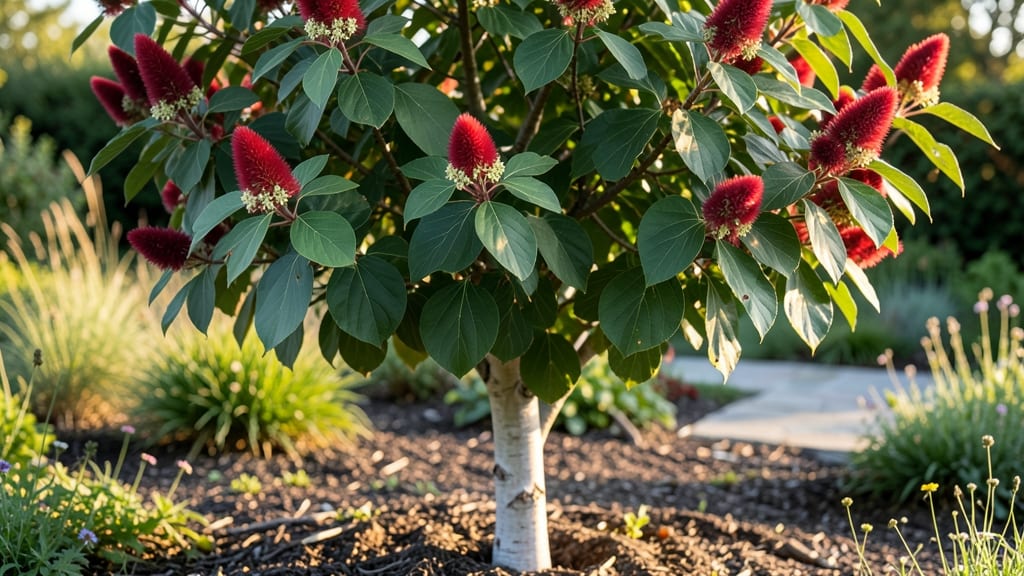
That red fuzzy flower on a tree isn’t just pretty—it’s a winter garden game-changer. 🌿 I’ve watched my Cornus sericea (Red Osier Dogwood) stand out against bare branches, its velvety blooms catching the light even when everything else sleeps.
These trees aren’t just tough; they’re the stars of late winter and early spring, turning dull landscapes into living art. The secret to their drama? They thrive in full sun to partial shade and handle wet soil like a champ—perfect for swamps, pond edges, or even city streets.
Prune lightly in late winter to encourage dense growth, and watch as those fuzzy red clusters pop against the first hints of green. They’re also wildlife magnets, feeding birds and bees when little else is blooming.
You’ll end up with a tree that’s vibrant, low-maintenance, and uniquely textured—nothing else in the garden compares. Pair it with evergreens like Picea pungens (Colorado Blue Spruce) for contrast, or let it shine solo as a bold focal point. The best part?
It keeps its ornamental value even after the flowers fade. Works in zones 2-9, making it one of the most versatile winter bloomers around. Let’s make your garden unforgettable—even in the coldest months.
The Science Behind Blooming Beauty
The sight of a tree adorned with vibrant red fuzzy flowers in winter is nothing short of magical. But what triggers this stunning display? The answer lies in a fascinating blend of genetics, environmental cues, and seasonal adaptations.
Let’s break down the key reasons why these trees burst into color when others remain dormant.
Some trees are hardwired to bloom in cooler months, thanks to their unique genetic makeup. Species like the Winter Jasmine (Jasminum nudiflorum) or Cornus (Dogwood) varieties produce flowers in late winter or early spring as part of their evolutionary strategy.
These plants have adapted to thrive in cold climates, where warmer days and chilly nights signal the perfect time to flower.
💡 Pro Tip: If you’re growing a tree with red fuzzy blooms, check its species—some are bred specifically for winter interest, while others may need a cold period to trigger flowering.
Many winter-blooming trees require a period of cold dormancy to break their buds. This process, called vernalization, ensures that the tree doesn’t waste energy on flowers until conditions are ideal.
Without sufficient cold exposure (typically below 40°F/4°C for several weeks), the buds may fail to open, leaving you with bare branches.
🌡️ Key Factor: Trees in warmer climates may need artificial chilling (like a cold frame or refrigerator storage for cuttings) to mimic winter conditions and encourage blooming.
Short days and fluctuating temperatures act as a natural alarm clock for winter flowers. As daylight shortens in late fall, some trees detect this change and begin producing anthocyanins—the pigments that give red fuzzy flowers their bold color.
A sudden warm spell after a cold snap can also trigger rapid blooming, as the tree senses spring is near.
⏰ Timing Matters: If your tree isn’t blooming when expected, monitor local weather patterns—unusually mild winters or delayed cold snaps can disrupt the flowering cycle.
Improper pruning can stunt or delay flowering. If you cut back too aggressively in late winter or early spring, you may remove next year’s flower buds before they’ve had a chance to develop. Conversely, over-fertilizing with high-nitrogen feeds can encourage leafy growth at the expense of flowers.
✂️ Best Practices:
- Prune after flowering (late spring/early summer) to avoid removing next year’s buds.
- Use a balanced fertilizer (e.g., 10-10-10) to support both foliage and blooms.
- Avoid heavy pruning in fall—this can stress the tree before winter.
Understanding these triggers can help you encourage—or troubleshoot— your tree’s winter floral display. Whether it’s genetics, cold exposure, or proper care, each factor plays a role in creating that show-stopping red fuzzy spectacle! 🌸❄️
Revive Your Blooming Beauty
Reviving a tree with striking red fuzzy flowers—like the vibrant Cornus sericea (red-osier dogwood) or Hamamelis mollis (witch hazel)—requires targeted care based on the root cause of its distress. Whether the issue is environmental stress, pests, or improper maintenance, these solutions will help restore your tree’s lush, winter-worthy charm.
Problem: Compacted, nutrient-poor soil or waterlogged roots stunt growth and weaken blooms.
Solution: 🔥 Test & Amend the Soil
- Use a simple soil test kit (available at garden centers) to check pH and nutrient levels.
- For acid-loving trees (like witch hazel), mix in peat moss or composted pine needles to lower pH.
- For alkaline-heavy soil, add sulfur or composted leaves to balance it.
👨🍳 Improve Drainage
- If your tree sits in a low spot, create a slight slope (1–2 inches over 3 feet) to redirect water.
- Add organic mulch (3–4 inches of shredded bark or wood chips) around the base, but keep it 6 inches away from the trunk to prevent rot.
💡 Pro Tip: Water deeply once a week (unless it rains) during dry spells, ensuring the soil is moist but not soggy.
Problem: Overwatering, underwatering, or improper light exposure stresses the tree.
Solution: 🍳 Water Wisely
- Newly planted trees need 1–2 gallons of water 2–3 times per week for the first year.
- Mature trees prefer deep, infrequent watering (1–2 inches per week). Use a soaker hose to avoid wetting foliage (which can invite fungal diseases).
🌡️ Optimize Sunlight
- Most red-fuzzy-flowered trees thrive in partial shade to full sun (4–6 hours of sunlight daily).
- If leaves are bleached or scorched, move the tree to a shadier spot (e.g., near a north-facing wall).
- If growth is stunted or sparse, gradually introduce more sunlight over weeks.
✨ Prevention Tip: Install a drip irrigation system for consistent moisture, especially in hot climates.
Problem: Aphids, spider mites, or fungal infections (like powdery mildew) sap energy from blooms.
Solution: 🔪 Spot & Treat Pests
- Aphids/Mites: Spray with neem oil (mix 1 tbsp with 1 quart of water) or insecticidal soap. Repeat every 5–7 days until pests vanish.
- Borers or Sawflies: Prune infested branches in late winter/early spring and dispose of them (don’t compost). Treat with Bt (Bacillus thuringiensis) for larvae.
🌡️ Prevent Fungal Issues - Powdery Mildew: Improve air circulation by pruning dense branches.
Spray with a baking soda mix (1 tsp baking soda + 1 quart water + a drop of dish soap) weekly until cured. - Root Rot: Avoid overwatering and ensure the tree’s base isn’t sitting in standing water.
If rot is suspected, reduce watering and add sand or perlite to soil.
🎯 Prevention Tip: Mulch properly (3–4 inches) to deter weeds and retain moisture without suffocating roots.
Problem: Overgrown branches block light, or deadwood detracts from winter appeal.
Solution: ⏰ Best Time to Prune
- Late winter/early spring (before new growth) is ideal for structural pruning.
- Remove dead/diseased branches anytime they’re spotted.
🍳 Step-by-Step Pruning
- Sterilize tools with rubbing alcohol to prevent spreading disease.
- Cut at a 45-degree angle just above a bud or branch collar (the swollen area where leaves attach).
- Thin out crowded branches to improve airflow—aim for an open, vase-like shape.
- Shorten leggy stems by ⅓ to encourage bushier growth.
💡 Pro Tip: Use hand pruners for small branches and loppers for thicker stems (2+ inches). Avoid heavy pruning in fall, as it stresses the tree before winter.
Final Thought: With the right adjustments, your tree will bounce back stronger, showcasing bold red fuzzy blooms that steal the show in winter. Stay consistent with care, and your garden will thank you! 🌿✨
Frequently asked questions
Which trees have those striking red fuzzy flowers?
The most famous trees with red fuzzy flowers include Cornus sericea (Red Osier Dogwood) and Hamamelis mollis (Witch Hazel). Both bloom in late winter, offering vibrant color when other plants are still dormant. Another standout is Jasminum nudiflorum (Winter Jasmine), which produces bright red tubular blooms.
Do these trees need full sun to bloom?
Most red-fuzzy-flowered trees thrive in partial shade to full sun (4–6 hours daily). For example, Cornus sericea tolerates wet soil and even full shade, while Witch Hazel prefers partial sun. Check your specific species—some, like Winter Jasmine, handle full sun better than others.
Why aren't my red fuzzy flowers blooming?
Lack of cold dormancy or improper pruning often causes delays. Many winter-blooming trees need 6–8 weeks below 40°F (4°C) to trigger buds. Also, pruning too late (after March) can remove next year’s flower buds. Try fertilizing lightly in early spring with a balanced 10-10-10 mix to encourage blooms.
Can I grow these trees in containers?
Yes, but choose dwarf varieties like Cornus sericea 'Kelseyi' or Hamamelis 'Arnold Promise'. Use a 15-gallon pot with well-draining soil and repot every 2–3 years. Ensure the container gets adequate sunlight and water—containers dry out faster than garden beds.
Are these trees deer-resistant?
Most red-fuzzy-flowered trees are moderately deer-resistant, but young plants may still get nibbled. Cornus sericea is a better bet than Witch Hazel, which deer find more appealing. Fencing or repellents can help protect vulnerable saplings during their first growing season.