
Plants
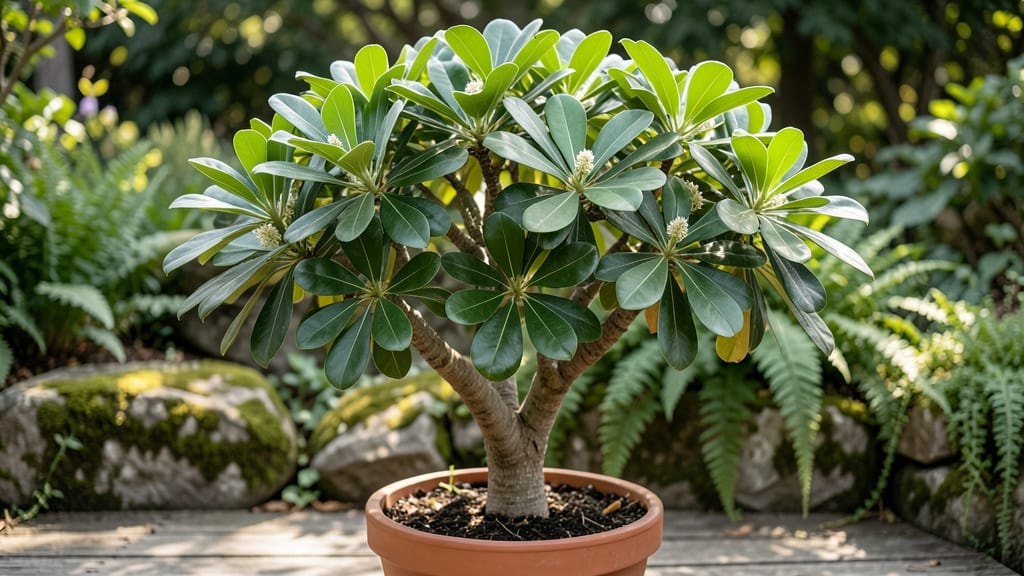
A tree that looks like an umbrella features a distinctive rounded canopy with a central trunk, like the Japanese pagoda tree or Schefflera, creating a natural shade effect perfect for gardens and landscapes.
A tree that resembles an umbrella isn't just about looks—it's about how these species grow. 🌳 The rounded shape comes from their horizontal branches spreading evenly, creating that classic dome effect.
Fast-growing varieties like the Japanese pagoda tree can reach full canopy size in just a few years, making them perfect for quick landscaping projects. Their broad leaves also help filter sunlight, providing shade while maintaining an elegant appearance.
These trees aren't just decorative—they're practical too. Many thrive in urban environments, tolerating pollution and adapting to different soil types. Whether you're looking for a statement piece in your yard or a natural shade solution, these umbrella-shaped trees deliver both beauty and function.
Plus, their low-maintenance nature makes them ideal for busy gardeners.
💡 In This Article
- How Canopy Shape Develops in Umbrella-Like Trees
- Top 5 Fast-Growing Umbrella-Shaped Trees for Landscaping
How canopy shape develops in umbrella-like trees
Umbrella-shaped trees achieve their iconic dome form through a combination of apical dominance and horizontal branching patterns. The central leader (main trunk) grows upward while lateral branches spread outward at roughly 90-degree angles, creating that perfect circular silhouette.
This growth habit is genetically programmed in species like the Japanese pagoda tree (Styphnolobium japonicum), where the terminal bud (growth tip) suppresses side branches until they reach a certain length—then suddenly bursts into horizontal growth.
The process begins with juvenile growth phases where the tree focuses energy on vertical trunk development. Once the trunk reaches 6-10 feet tall, hormonal shifts trigger lateral branches to emerge in all directions.
Sunlight exposure plays a critical role here—branches growing toward light elongate faster, while shaded branches remain shorter, creating that balanced, even spread. In ideal conditions, a single tree can develop 30-50 primary branches within 3-5 years, each bearing 12-20-inch leaves that catch sunlight from multiple angles.
What makes these trees so visually striking is their compound leaf structure. Many umbrella-shaped species, like the Schefflera (Schefflera actinophylla), have 7-12 leaflets radiating from a central stem, resembling an open hand.
This arrangement maximizes photosynthesis while maintaining the tree's rounded silhouette. The larger the leaf surface area, the more efficiently the tree can convert sunlight into energy, which fuels that rapid horizontal growth.
Environmental factors further refine the shape. Wind exposure can cause branches to grow more densely on the windward side, creating slight asymmetries, while consistent sunlight promotes uniform growth.
In urban settings, where trees often face pollution and limited space, these species thrive because their dense canopies help filter airborne particles while maintaining their signature form. 💫
The result is a self-regulating growth pattern where the tree naturally balances height and width. Unlike many trees that require pruning to maintain shape, umbrella trees develop their iconic form organically—though strategic pruning can enhance their symmetry.
This makes them perfect for both formal gardens and natural landscapes where a statement piece is desired.
For example, the Japanese pagoda tree can develop a 20-foot-wide canopy within 10 years while maintaining a relatively modest 30-foot height, creating that perfect umbrella effect.
The key lies in their delicate hormonal balance between vertical and horizontal growth, which botanists study to understand how trees optimize space and sunlight.
Understanding this growth mechanism helps gardeners choose the right species for their space. Trees like the umbrella magnolia (Magnolia tripetala) develop their shape more slowly but with even more dramatic foliage, while faster growers like the Schefflera prioritize rapid canopy formation over leaf size. 🌿