
Landscaping
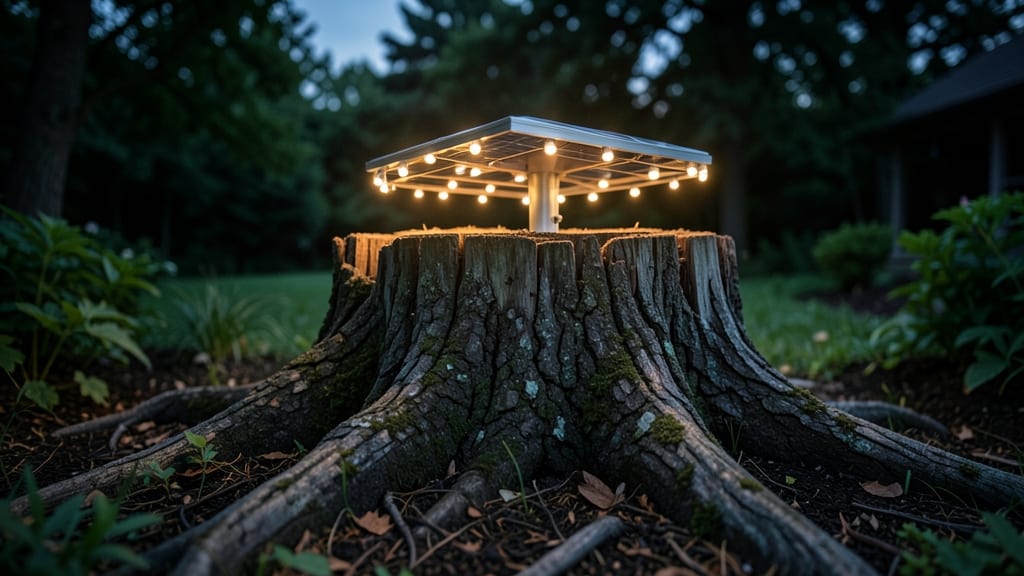
Transforming old tree stumps into bird houses is a creative way to repurpose yard waste while supporting local wildlife. These 10 DIY designs turn forgotten garden elements into functional, eco-friendly habitats that attract birds and add rustic charm to your outdoor space.
Classic Woodpecker Stump House with Drilled Holes
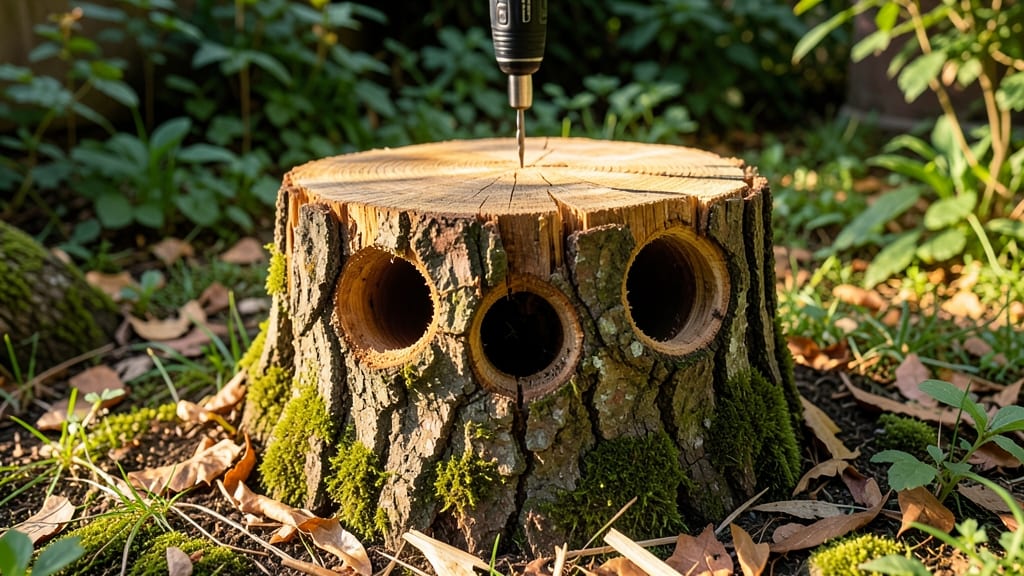
Turn a simple stump into a woodpecker magnet with this easy DIY project that mimics nature's perfect nesting spots. By drilling 3-4 inch diameter holes into the stump, you create ideal cavities for woodpeckers and nuthatches—birds that naturally excavate their own homes but often lack suitable trees in urban areas.
Use a hand drill with a spade bit to create holes 8-12 inches deep, spaced 6-8 inches apart. Position the stump in a shady, wooded area where birds feel secure from predators. For extra appeal, add natural perches around the holes or scatter pinecones nearby. This design works best with cedar or oak stumps—both naturally resistant to rot and pests.
Perfect for small yards where traditional birdhouses take up too much space, this project requires just a few tools and transforms an eyesore into a wildlife hotspot. 🌿
Open-Fronted Bluebird Stump Nest Box
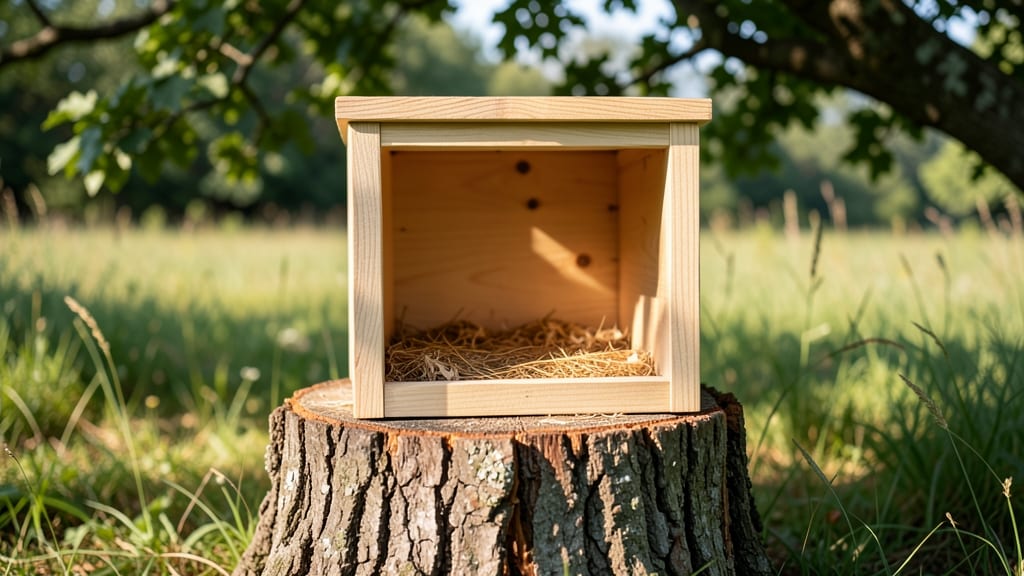
Want to welcome eastern bluebirds—one of North America’s most beloved songbirds—into your garden? A stump nest box with an open front is the perfect solution. Unlike traditional enclosed houses, this design mimics the natural cavities bluebirds prefer while keeping predators like raccoons and snakes at bay.
Carve a 6-8 inch deep, 4-5 inch wide chamber into the stump, leaving the front open but slightly overhanging to block rain. Line the interior with pine shavings or cedar chips for insulation, and mount the stump 4-6 feet high in an open area with clear sightlines. Bluebirds thrive in early spring, so install your box by late winter to give them a head start.
This design is ideal for gardeners in rural or suburban areas who want to support native pollinators and reduce competition with invasive species like house sparrows. With minimal effort, you’ll create a haven for these charming birds. ✨
Multi-Level Stump Bird Hotel with Stacked Platforms
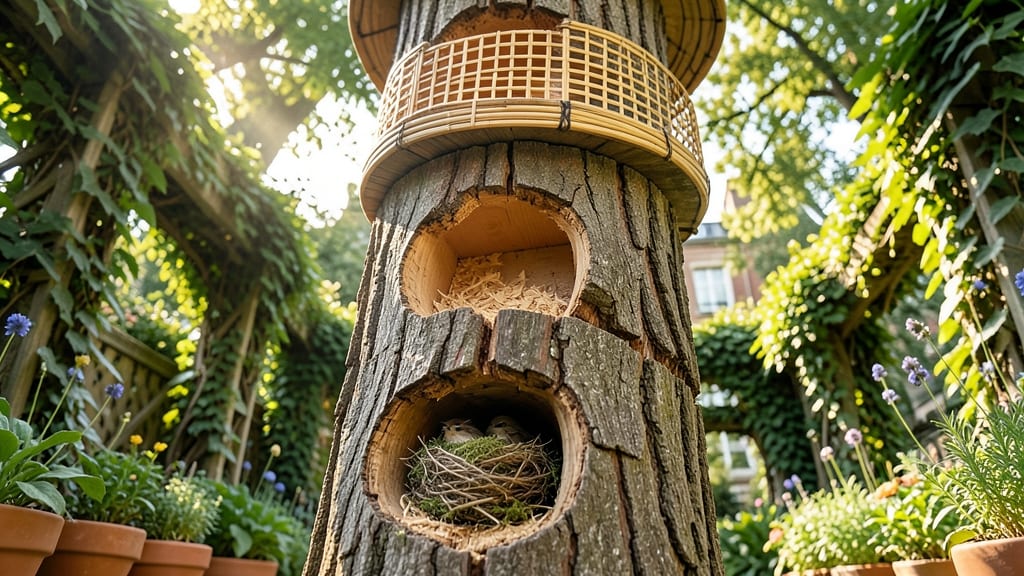
Turn your urban garden into a bustling bird community hub with a multi-level stump bird hotel—where every height has its own resident! This vertical design maximizes limited space while welcoming species like chickadees, wrens, and even hummingbirds, each with their preferred nesting elevation.
Start by cutting horizontal platforms into your stump at varying heights (12", 24", and 36" work well). Line each with cedar shavings—naturally rot-resistant and safe for nesting—and leave small gaps between platforms for drainage. Position the stump near shrubs for natural cover, ensuring it faces away from prevailing winds. For extra appeal, add a few perches or small branches around the base.
This project is perfect for city gardeners with balconies or tiny yards—one stump can host multiple species without needing extra square footage. Plus, the tiered look adds visual interest to any outdoor space. 💚
Hollowed-Out Stump with Living Moss Roof
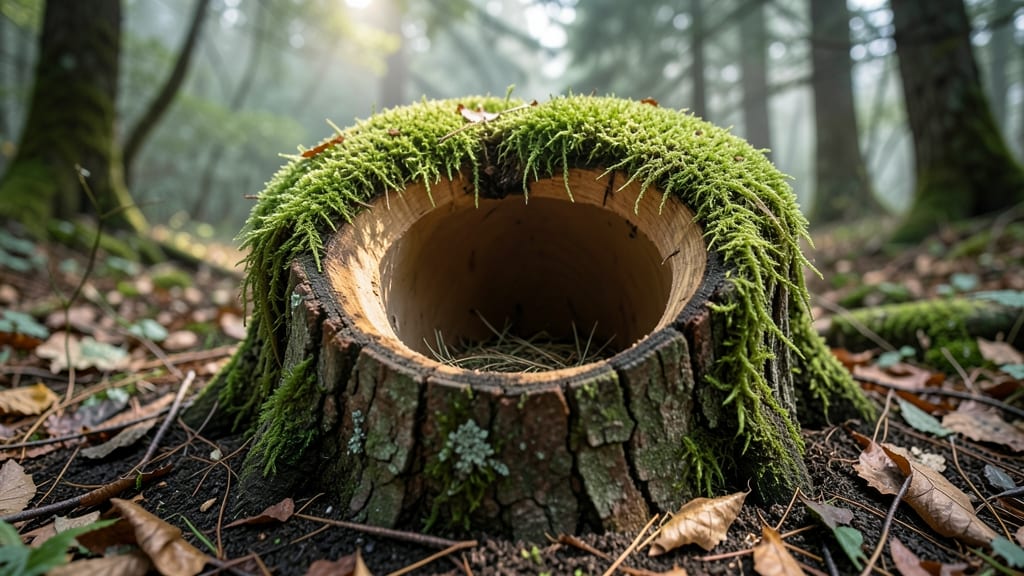
Turn your yard into a living woodland sanctuary with a hollowed-out stump topped with a living moss roof. This design doesn’t just attract birds—it becomes part of the ecosystem, insulating nests naturally while blending into your landscape like a piece of the forest floor.
Start by hollowing out the stump’s center, leaving a 6-8 inch deep cavity with a small entrance hole (2-3 inches wide). Press sphagnum moss firmly onto the top and sides to create a waterproof, insulating layer, then secure it with natural twine or biodegradable wire. Over time, the moss will grow thicker, offering year-round protection from rain and cold. Place the stump in a shady, moist area—ideal for woodland gardens or near ponds.
Eco-conscious gardeners and wildlife enthusiasts will love how this low-maintenance design supports birds while reducing waste. The moss roof even helps regulate temperature, making it a self-sustaining habitat that thrives with nature. 🌿
Miniature Stump Suet Feeder with Perches
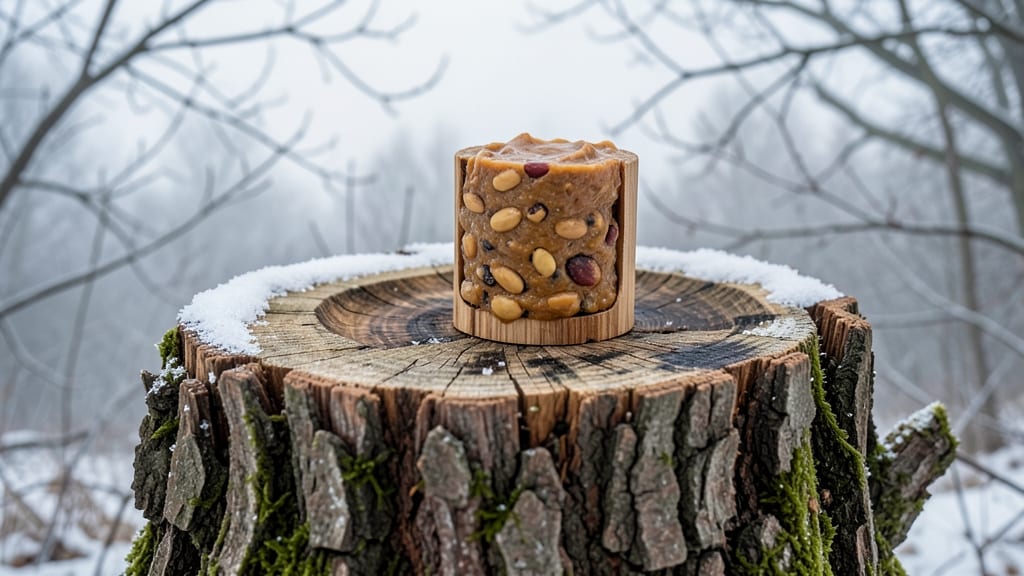
When winter arrives and natural food sources dwindle, your backyard can become a lifeline for birds with a miniature stump suet feeder. This clever design serves double duty as both a feeding station and a potential nesting site, making it a must-have for gardeners who want to support woodpeckers and chickadees during the coldest months.
Carve a small cavity into a stump section (about 6-8 inches deep) and fill it with suet cakes or birdseed. Add two thin wooden perches on either side to give birds a safe place to land while they eat. Place the feeder in a spot with partial shade and near shrubs for extra protection from predators. The natural wood texture also provides a familiar, comforting environment for birds seeking shelter.
This idea is perfect for gardeners who love low-maintenance solutions that deliver high rewards. It’s especially beneficial in urban or suburban gardens where space is limited, and every feeding station counts. Plus, watching birds flock to your stump feeder will add joy to even the coldest winter days. 🌟
Sculpted Stump with Carved Bird Silhouettes
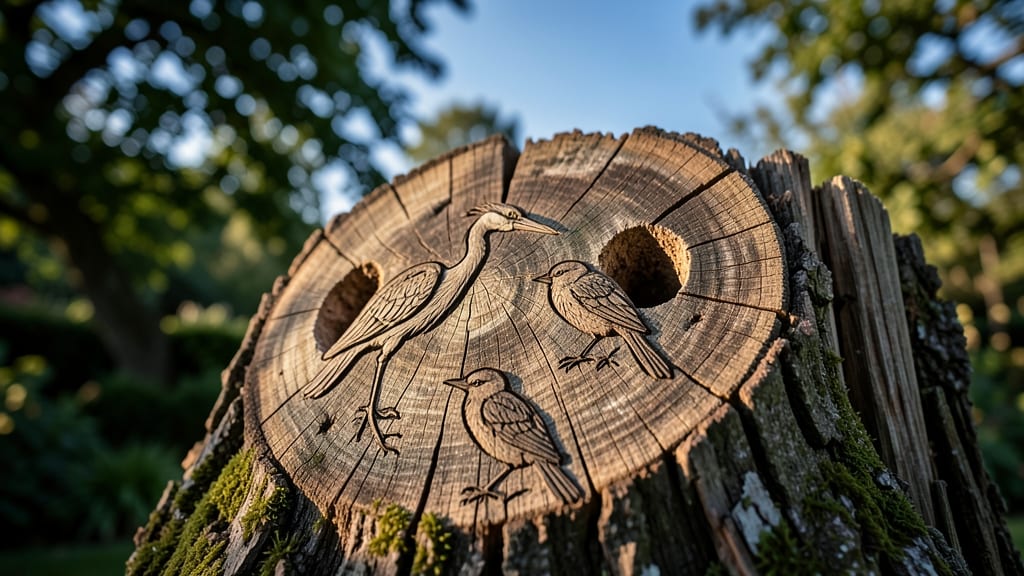
Turn your stump into a living art piece with carved bird silhouettes that double as nesting spots. This design transforms ordinary yard waste into a functional wildlife haven while adding a unique focal point to your garden. The intricate carvings create natural-looking perches and shelter, making it perfect for small songbirds like wrens or chickadees.
Start by selecting a stump with a smooth, stable surface. Use a sharp carving knife or jigsaw to create shallow silhouettes of birds in flight or perched branches, leaving enough space between carvings for nesting materials. Fill the hollowed sections with dried grass or cedar shavings to mimic a natural nest. Place the stump in a sunny, sheltered spot to attract birds while showcasing your craftsmanship.
This project is ideal for gardeners who love handmade decor and want to support local wildlife. The carved details make it a conversation starter while providing a safe, stylish nesting option for your feathered friends. 🌟
Stump Bird Bath with Integrated Nesting Ledges
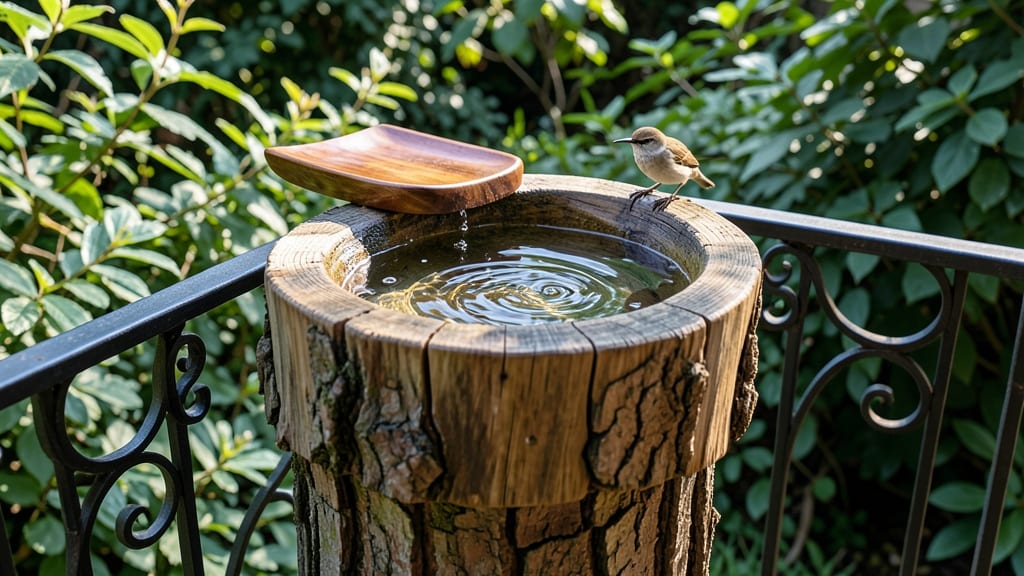
Turn your small patio or balcony into a bird paradise with a stump bird bath that doubles as a nesting spot—no extra space needed! This two-in-one feature provides both freshwater hydration and elevated perches, making it irresistible to songbirds, sparrows, and even hummingbirds.
Carve a shallow basin into the top of your stump and add small ledges around the edges for birds to rest. Place it on a stable base (like a saucer or stand) to prevent water from pooling on the ground. For extra appeal, surround it with native plants like milkweed or coneflowers to attract pollinators too. Refresh the water every 2-3 days to keep it inviting.
This design is perfect for urban gardeners or anyone with limited outdoor space. It’s a simple yet elegant way to support wildlife while adding a natural focal point to your garden. 🌿
Underground Stump Burrow for Wrens
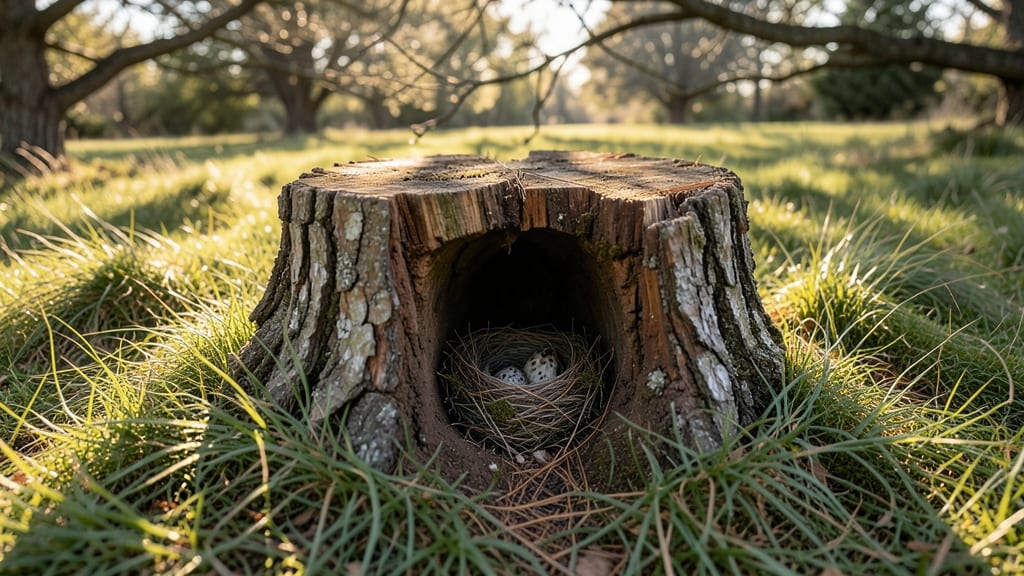
If you've ever spotted a wren darting through your grassy yard and wondered how to attract more of these energetic songbirds, an underground stump burrow is your answer. Unlike traditional birdhouses, this design mimics the natural nesting habits of ground-foraging birds, offering them a safe haven from predators like snakes and raccoons.
To create one, partially bury a small stump (about 6-8 inches tall) with the entrance hole angled downward to prevent rain from entering. Use untreated cedar or pine for natural resistance to rot, and line the interior with dried grass or pine needles. Place it in a sunny, open area with some ground cover nearby—wrens prefer locations where they can forage easily while keeping their young hidden.
This design is perfect for gardeners with open lawns or meadows, as it provides a low-profile nesting option that blends seamlessly into the landscape. Plus, it’s a great way to support native bird populations without drawing attention to their vulnerable nests. 🌱
Stump with Hanging Nesting Baskets
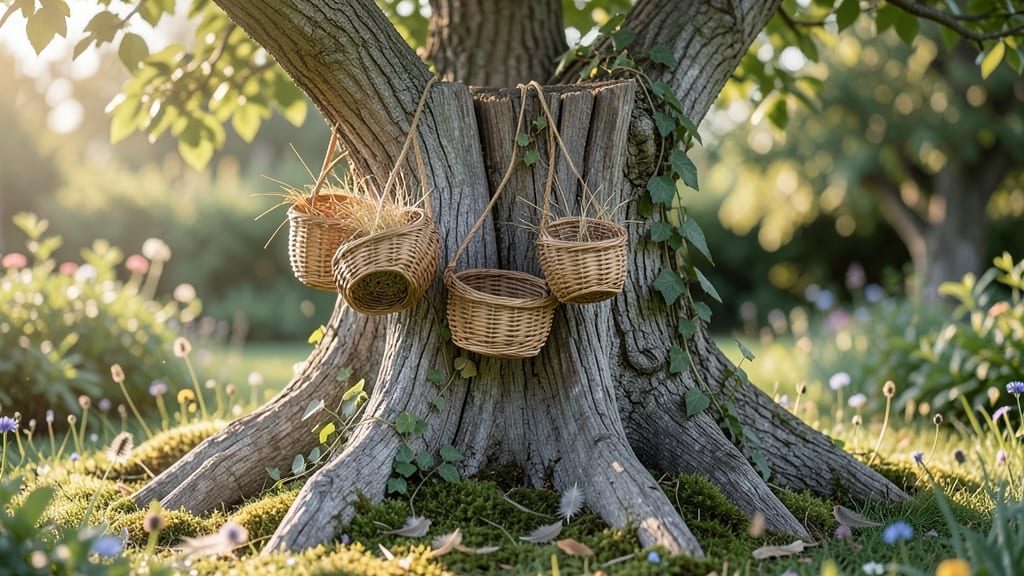
Looking to attract finches and sparrows while adding a whimsical touch to your garden? Hanging nesting baskets from a stump create a charming vertical display that serves both birds and your aesthetic. This design repurposes old baskets—think wicker or woven—into elevated nesting spots, perfect for gardeners with limited ground space.
Start by drilling small holes into the stump at varying heights (3-5 feet) to secure sturdy hooks. Use untreated wood or cedar baskets to avoid chemicals that could harm birds. Line each basket with dried leaves or straw for insulation, and position them near shrubs or trees for natural cover. This setup mimics the way these birds nest in dense foliage but adds a decorative focal point to your yard.
Urban gardeners and small-space enthusiasts will love how this design maximizes vertical real estate without sacrificing charm. It’s a win-win for wildlife and your garden’s curb appeal! ✨
Stump with Solar-Powered LED Lighting

Turn your evening garden into a nocturnal wildlife haven with a solar-powered LED stump—the perfect blend of function and ambiance. These tiny, energy-efficient lights create a soft glow that not only illuminates garden paths but also signals to migratory and night-active birds like owls, nighthawks, and even bats that your space is safe and welcoming.
Install rechargeable solar lights around the stump’s edges, embedding them just below the surface for a seamless look. Use warm-white LEDs (2700K-3000K) to mimic moonlight, which attracts more wildlife than cool tones. Place the stump near a moisture-rich area—like a small pond or birdbath—to further entice nocturnal visitors. For extra safety, choose IP65-rated lights to withstand rain and humidity.
This project is ideal for gardeners who love low-maintenance solutions with high rewards. It’s especially transformative for those with evening gardening routines, offering both practical path lighting and a chance to observe wildlife after dark. 🌟