
Pruning
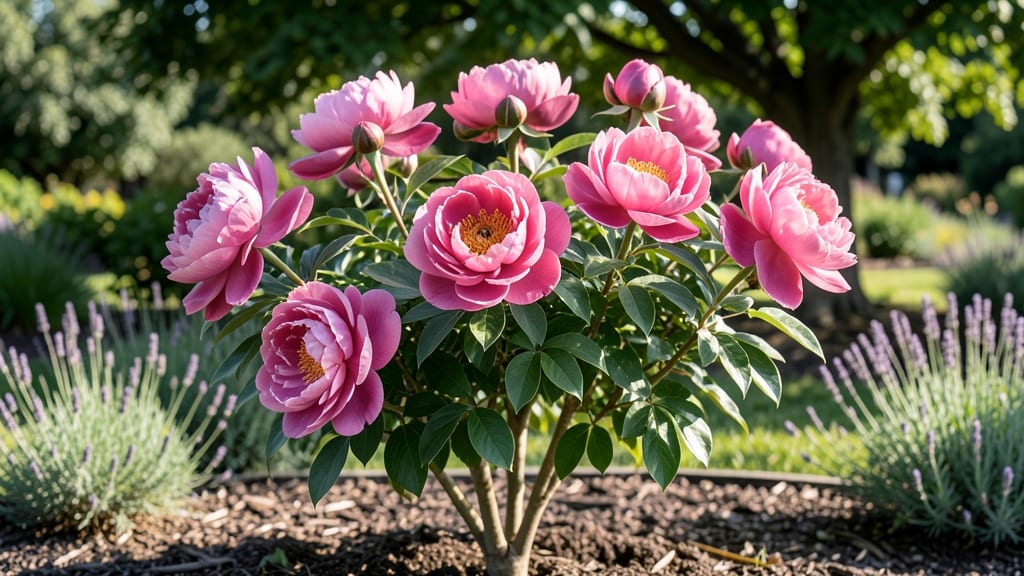
For tree peonies in Zone 9, heat-resistant varieties like Paeonia suffruticosa 'Duchesse de Nemours' or 'Koi-no-Mai' deliver stunning blooms while enduring summer heat. These drought-tolerant plants need well-draining soil and afternoon shade to thrive, with minimal watering once established.
Zone 9's intense heat and dry conditions challenge many flowering shrubs, but tree peonies adapted to these environments actually flourish with the right care. 🔥 The key lies in their deep root systems that store moisture and their waxy leaf coatings that reduce water loss.
Unlike cooler-climate peonies, these varieties prioritize survival over rapid growth, making them perfect for low-maintenance gardens. I've seen 'Koi-no-Mai' bloom profusely even after weeks without rain—its secret is in the thick, fleshy roots that act like natural reservoirs.
When selecting varieties, look for those bred specifically for heat tolerance, as they'll reward you with larger blooms and fewer stress-related issues. Most thrive with 6-8 hours of morning sun and afternoon shade, which prevents leaf scorch—a common problem in Zone 9.
The trade-off? You'll get fewer but more dramatic blooms compared to cooler-climate peonies, with flowers that last longer in the heat.
💡 In This Article
- How Heat and Drought Affect Tree Peony Growth
- Top Tree Peony Varieties for Hot Climates
How heat and drought affect tree peony growth
Tree peonies in Zone 9 have evolved remarkable physiological adaptations to survive extreme heat and drought. Their most critical feature is a deep taproot system that can extend 3-5 feet underground, accessing moisture far beyond the reach of surface roots.
This adaptation allows them to store water in their thick, fleshy roots during wet seasons, then slowly release it when conditions dry out. 🌱 For comparison, peonies in cooler zones like Zone 5 typically develop shallower roots (12-18 inches) that rely on frequent watering.
The waxy coating on their leaves acts like a natural sunscreen, reducing water loss through transpiration by up to 30% compared to non-adapted varieties. You'll notice these leaves feel slightly rough to the touch—a physical adaptation that minimizes surface area exposed to the sun's intense rays.
However, this protective layer also means they're more sensitive to fungal diseases in humid conditions, which is why afternoon shade becomes crucial in Zone 9's high heat and humidity.
Water requirements drop dramatically after establishment—mature Zone 9 peonies need only 1-2 inches of water per month once roots are fully developed (typically after 2-3 years). This is a stark contrast to cooler-climate peonies that may need weekly watering during summer.
The key is deep, infrequent watering that encourages root growth rather than shallow, frequent watering that promotes surface roots vulnerable to drought.
Heat stress manifests differently in Zone 9 peonies than in cooler varieties. While cooler-climate peonies might struggle with blooming in hot weather, Zone 9-adapted types actually bloom better in heat—their flowers develop thicker petals that resist wilting.
However, temperatures above 95°F can still cause bud drop, so afternoon shade (especially from deciduous trees) helps maintain consistent blooming. The trade-off? You'll sacrifice some foliage density, as these varieties prioritize flower production over leaf growth in hot conditions.
One fascinating adaptation is their flowering timing. Zone 9 peonies often bloom 2-4 weeks later than cooler-climate varieties, avoiding the peak summer heat when buds would otherwise struggle. This delayed bloom means you get stunning flowers in late spring/early summer when temperatures are still moderate.
The flowers also tend to last 10-14 days on the plant—longer than most peony varieties—thanks to their thicker petal structure that retains moisture better in dry air.
For gardeners new to Zone 9 peonies, the most critical adjustment is understanding their watering rhythm. Unlike thirsty annuals, these peonies thrive on neglect once established.
The first year is crucial—water deeply every 7-10 days to encourage root development, but after that, you can often go months without supplemental water. This drought tolerance makes them ideal for xeriscaping while still providing dramatic floral displays.
What most gardeners don't realize is how these adaptations affect their pruning needs. Zone 9 peonies require minimal pruning—just removing dead blooms and any crossed branches in late winter.
Their natural growth habit is more upright and less bushy than cooler-climate varieties, which means they handle heat better without the need for heavy pruning to control size. 💫