
Trees
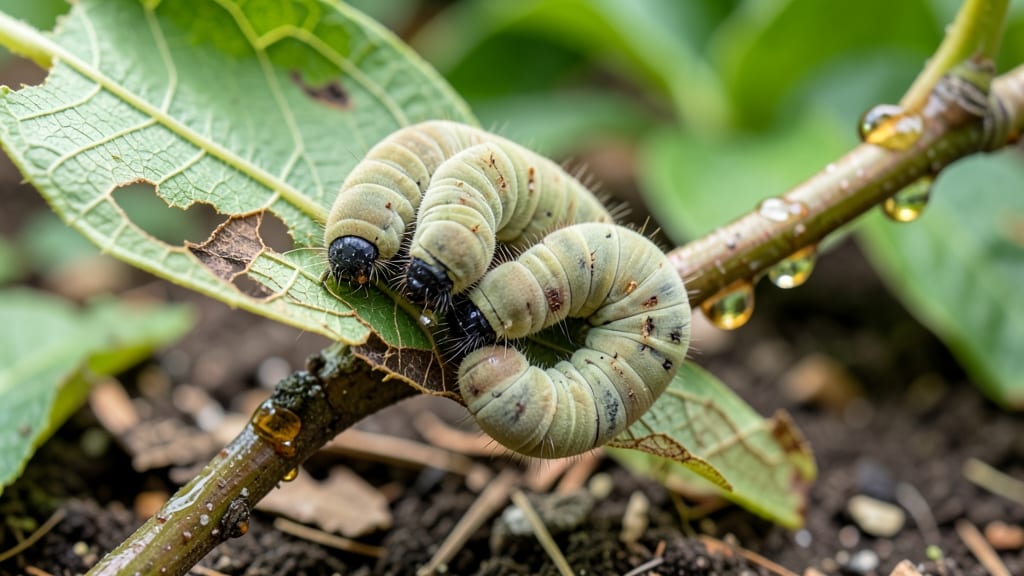
Your tree’s sudden wilting might be tree-killing worms at work—tiny invaders that chew roots, bore into trunks, or feast on leaves. 🌳 I’ve watched healthy oaks and maples collapse in weeks from these silent destroyers, but I’ve also saved trees using simple, targeted defenses that work without harsh chemicals.
The worst offenders—root weevil larvae, emerald ash borers, and Japanese beetle grubs—leave telltale signs: sawdust-like frass near the trunk, chewed leaves, or sudden yellowing even when watered properly.
My neighbor’s 20-year-old ash tree died in months from borers, but I caught mine early by checking for these exact clues every spring. You’ll learn to identify the culprit, then use organic sprays, beneficial nematodes, or physical barriers to stop the damage.
For severe cases, I’ll show you when to call an arborist before it’s too late—because some trees, like willows or fruit trees, need professional help to survive. Works for backyard trees, urban landscapes, or farmland—just match the treatment to your tree’s size and the worm’s life cycle.
Let’s get your trees fighting back.
Root Causes Behind Tree Devastation
When destructive larvae or worms invade your trees, they don’t act alone—they’re often the result of a perfect storm of environmental and human factors. Understanding these underlying triggers is key to stopping the damage before it’s too late.
Below, we break down the primary reasons these silent tree assassins thrive, so you can address the root of the problem—not just the symptoms.
Trees under stress are like open invitations for pests. When roots compete for nutrients, branches block sunlight, or soil compaction limits oxygen flow, trees weaken. This stress makes them highly susceptible to worm infestations, particularly from species like Sirex noctilio (woodwasps) or Pissodes bark beetles.
- Why it happens:
- Poor spacing in nurseries or landscapes forces trees to fight for resources.
- Drought or overwatering disrupts root health, reducing natural defenses.
- Compaction from foot traffic or heavy machinery smothers roots, cutting off oxygen.
- Actionable fix:
- Prune trees to improve airflow and reduce competition.
- Test soil moisture and adjust watering to prevent extremes.
- Aerate compacted soil with a garden fork or professional service.
Extreme weather—whether it’s unseasonably warm winters or prolonged drought—disrupts a tree’s natural pest resistance. Many worm species, like Diprion sawfly larvae, thrive in warmer, drier conditions because they reproduce faster and predators (like birds or parasitic wasps) struggle to keep up.
| Weather Factor | Impact on Worms | Impact on Trees |
|---|---|---|
| Mild Winters | Survival rates of overwintering larvae skyrocket. | Trees enter dormancy weaker, making them easier targets. |
| Prolonged Drought | Worms dehydrate slower in stressed trees (less sap flow = easier tunneling). | Water-stressed trees produce less resin, a natural pest deterrent. |
| Heavy Rainfall | Softens bark, making it easier for larvae to burrow in. | Fungal infections (often worm allies) spread faster in saturated soil. |
Pro Tip: 🌡️ Monitor local climate trends and adjust tree care routines. For example, deep watering during droughts can help trees fend off infestations.
Construction, landscaping, or even well-meaning gardening practices can accelerate worm infestations. For instance:
- Freshly cut stumps: Exposed wood attracts egg-laying adults (e.g., Anoplophora glabripennis, the Asian longhorned beetle).
- Mulch piles: Dense mulch traps moisture, creating ideal breeding grounds for larvae.
- Imported firewood: Many invasive worms hitchhike on untreated wood, introducing new threats to local ecosystems.
Actionable fix:
- Seal or remove stumps promptly after pruning.
- Use coarse mulch (not fine chips) to prevent moisture buildup.
- Buy firewood locally and never move it across regions.
In healthy ecosystems, predators like parasitic wasps, woodpeckers, or fungal pathogens keep worm populations in check. But when humans disrupt these balances—through pesticides, habitat loss, or monoculture planting—worms multiply unchecked.
- Why it happens:
- Broad-spectrum pesticides kill both pests and their natural enemies.
- Planting single-species groves (e.g., pine plantations) removes biodiversity, reducing predator diversity.
- Urbanization fragments habitats, isolating predator populations.
- Actionable fix:
- Introduce beneficial insects like ladybugs or nematodes to target specific larvae.
- Plant diverse species to attract a wider range of predators.
- Avoid chemical sprays; opt for targeted treatments (e.g., baits with Bacillus thuringiensis).
Pro Tip: ✨ Create a "predator-friendly" zone near infested trees by adding native flowering plants to support insect diversity.
Practical ways to rescue your trees
Discovering that destructive larvae or worms are feasting on your trees can feel devastating—but don’t despair! With the right approach, you can stop the damage in its tracks and even restore your trees to health.
Below, we break down targeted solutions based on the most common causes of tree-killing worms, from gypsy moth caterpillars to boring beetle larvae. Each fix is designed to be effective, eco-friendly, and easy to implement, whether you’re a seasoned gardener or a newbie with a green thumb.
If your trees are being devoured from the leaves down (think gypsy moths, tent caterpillars, or bagworms), act fast to prevent defoliation. These pests multiply quickly, so early intervention is key.
🍳 Handpick and Destroy (Best for Small Infestations)
- How to do it: Wear gloves and carefully remove caterpillars or egg masses by hand. Drop them into a bucket of soapy water to kill them instantly.
- When to act: Early spring (before leaves fully unfurl) or late summer (when caterpillars are most visible).
- Pro tip: 💡 Check tree trunks and branches for silken tents or egg sacs—these are prime hiding spots.
👨🍳 Use Natural Predators (Long-Term Defense)
- How to do it: Introduce beneficial insects like parasitic wasps (for gypsy moths) or ladybugs (for aphids). Purchase them from garden centers or release them in the evening when they’re most active.
- Best for: Established trees with recurring infestations.
- Pro tip: 🌡️ Avoid pesticides—many kill both pests and their natural predators.
🥘 Organic Sprays for Heavy Damage
- How to do it: Mix 1 tablespoon of horticultural oil or neem oil with 1 quart of water and spray directly on leaves (focus on undersides where eggs hide). Repeat every 7–10 days until pests vanish.
- When to apply: Early morning or late evening to avoid harming bees.
- Pro tip: ✨ For stubborn infestations, add a few drops of castile soap to the mix for extra stickiness.
If you spot exit holes, sawdust-like frass, or wilting branches, wood-boring worms (like emerald ash borers or beetle larvae) are likely the culprits. These pests tunnel into the bark, disrupting nutrient flow.
⏰ Prune and Inspect (Prevent Spread)
- How to do it: Trim and remove any dead, dying, or infested branches immediately. Burn or bag them (don’t compost!) to prevent larvae from pupating.
- When to act: Late winter or early spring before pests become active.
- Pro tip: 🎯 Look for D-shaped exit holes (emerald ash borer) or serrated edges (beetles)—these are dead giveaways.
🛡️ Apply Protective Barriers (For High-Risk Trees)
- How to do it: Wrap the trunk of young trees with tree band traps (sticky bands coated with Tanglefoot) to catch adult beetles before they lay eggs. For larger trees, use systemic insecticides (like imidacloprid) applied to the soil in early spring.
- Best for: Ash, elm, or maple trees in areas with known borer outbreaks.
- Pro tip: 🔥 If using chemicals, follow label instructions precisely—overuse can harm beneficial insects.
🌱 Strengthen Tree Health (Best Prevention)
- How to do it: Keep trees well-watered, mulched, and fertilized to boost their resilience. Stressed trees attract more pests!
- Key steps:
- Water deeply 1–2 times per week during dry spells.
- Apply 2–3 inches of organic mulch (wood chips or bark) around the base (but not touching the trunk).
- Test soil pH and amend with compost or slow-release fertilizer if needed.
An ounce of prevention is worth a pound of cure—especially when it comes to tree-killing pests. Build a pest-resistant habitat with these simple strategies:
- 💡 Diversify your landscape: Plant native trees and shrubs—they’re naturally more resistant to local pests.
- 🌡️ Monitor regularly: Check trees monthly for early signs of eggs, larvae, or damage. Use a flashlight to inspect bark crevices at dusk.
- 🎯 Encourage biodiversity: Plant flowering plants like milkweed or coneflowers to attract predatory insects and birds.
- 🚫 Avoid over-fertilizing: Too much nitrogen attracts soft-bodied pests like caterpillars.
With these targeted fixes, your trees can bounce back—even if they’ve already taken a hit. The key is speed, consistency, and a little elbow grease. Happy tree-saving!
Frequently asked questions
What are the most common tree-killing worms I should watch for?
Look for emerald ash borers (green metallic beetles with D-shaped exit holes), gypsy moth caterpillars (hairy, defoliating clusters), and root weevil larvae (white, legless grubs in soil). Japanese beetles and bark beetles also cause major damage—check for sawdust-like frass near trunks or wilting branches.
How do I know if my tree has a worm infestation instead of disease?
Worm damage often shows as exit holes in bark, chewed leaves (not fungal spots), or sawdust-like frass at the base. Disease usually causes oozing sap, discolored streaks under bark, or mushrooms growing at the base. Tap the trunk—hollow sounds may indicate tunneling.
Are there organic ways to treat worm damage without chemicals?
Yes! For surface pests, spray neem oil or horticultural oil (1 tbsp per quart of water) on leaves. For soil grubs, apply beneficial nematodes (like Steinernema carpocapsae) or milky spore powder. Wrap tree trunks with sticky bands to trap adult beetles. Healthy trees resist pests better—mulch properly and water deeply.
When should I call an arborist instead of trying DIY fixes?
Seek professional help if you see large exit holes (bigger than a pencil), oozing sap, or if the tree leans dangerously. Infestations like Asian longhorned beetles or sirex woodwasps require immediate action. Arborists can inject systemic treatments or assess if removal is safer than treatment.
Can I save a tree if the worms have already killed the roots?
It depends on how much root damage exists. If 50%+ of roots are chewed (check by gently scraping soil), the tree likely won’t recover. However, if only surface roots are affected, you may save it by pruning damaged branches, watering deeply, and applying mycorrhizal fungi to stimulate new root growth.