
Trees
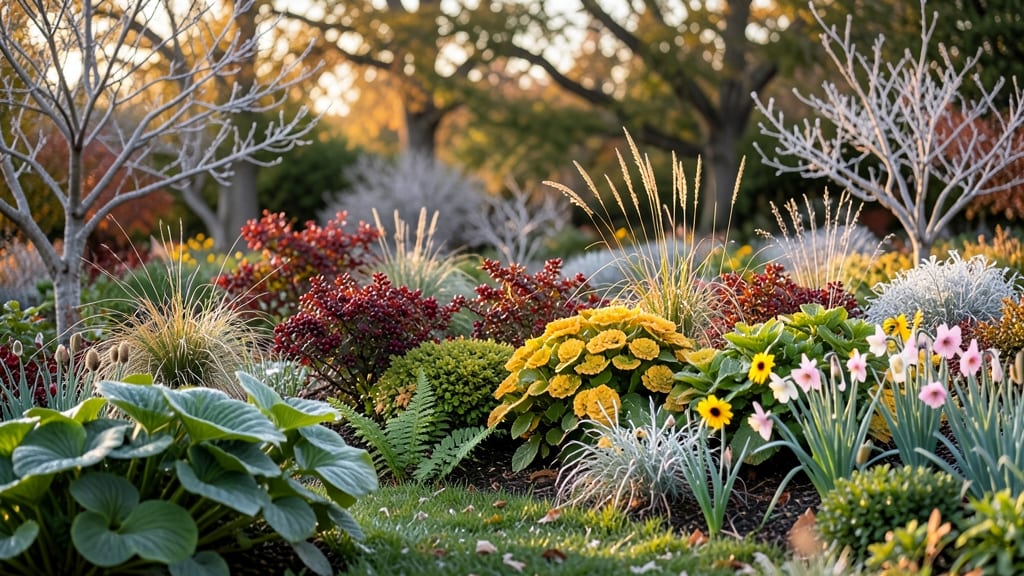
Tired of waiting years for privacy hedges? Tree berms offer instant visual barriers that grow into lush, natural screens. These 10 creative designs combine speed, beauty, and low-maintenance growth for instant curb appeal and lasting privacy.
Fast-Growing Bamboo Privacy Berm
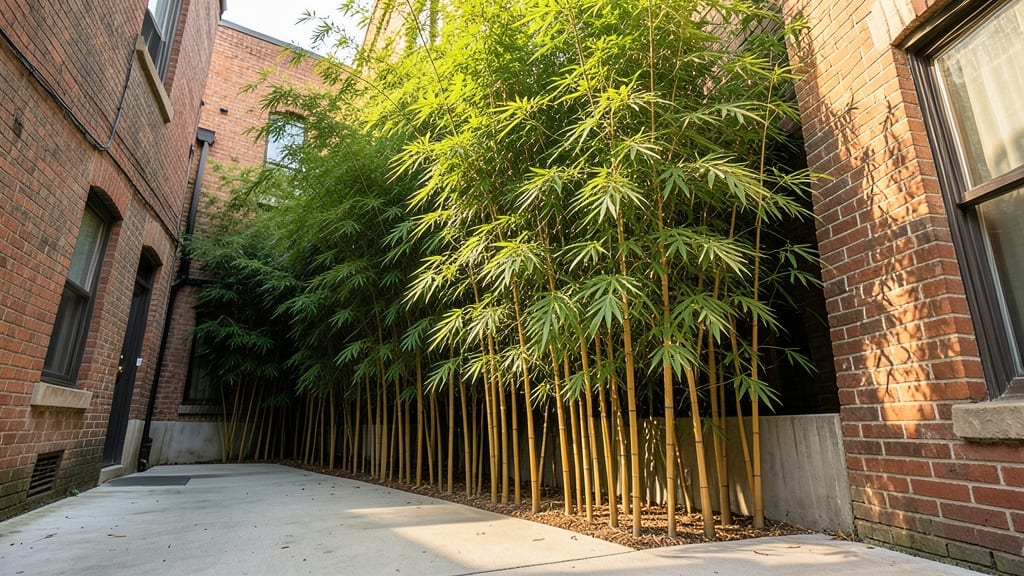
Urban yards craving instant privacy without invasive roots? Clumping bamboo delivers a 6-10 foot privacy screen annually—ideal for small spaces where traditional fences fail. Unlike running bamboo, varieties like Fargesia stay contained, making them perfect for city gardens with limited room.
Start by digging a 3-foot-wide trench** along your property line, then mound native soil into gentle slopes. Plant 3-4 bamboo culms per foot in early spring, spacing them 12 inches apart. Water deeply for the first month, then let natural rainfall sustain growth. The canes will fill in gaps within 2-3 years, creating a lush, wind-resistant barrier.
This design is perfect for renters or urbanites who need privacy fast but can't commit to invasive species. Plus, the air-purifying foliage adds beauty without the upkeep of hedges. 💚
Native Evergreen Shrub Berms
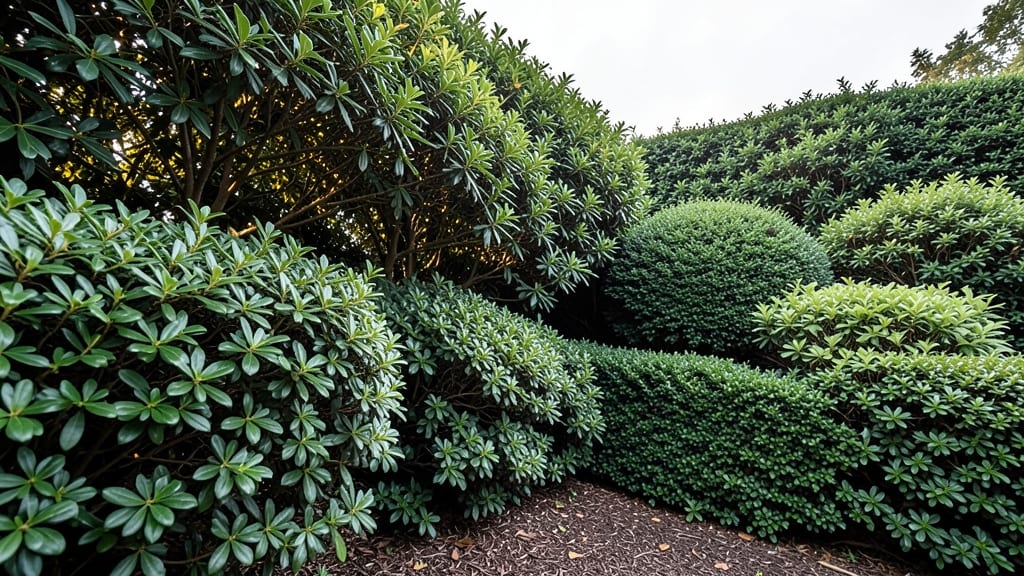
Skip the high-maintenance hedges—native evergreen shrubs like boxwood or inkberry create privacy berms that thrive on neglect. Unlike fast-growing bamboo, these shrubs establish slowly but deliver year-round greenery with almost zero upkeep once rooted.
Plant boxwood for structured, dense foliage or inkberry holly for glossy leaves and wildlife-friendly berries. Both tolerate poor soil and drought once established, making them perfect for urban yards or slopes where watering is difficult. A single pruning session annually keeps them shaped, and their natural density blocks views without needing shearing.
This design is ideal for gardeners who want low-water, low-fuss privacy that blends seamlessly with native landscapes. 🌿
Fruit Tree Privacy Berm
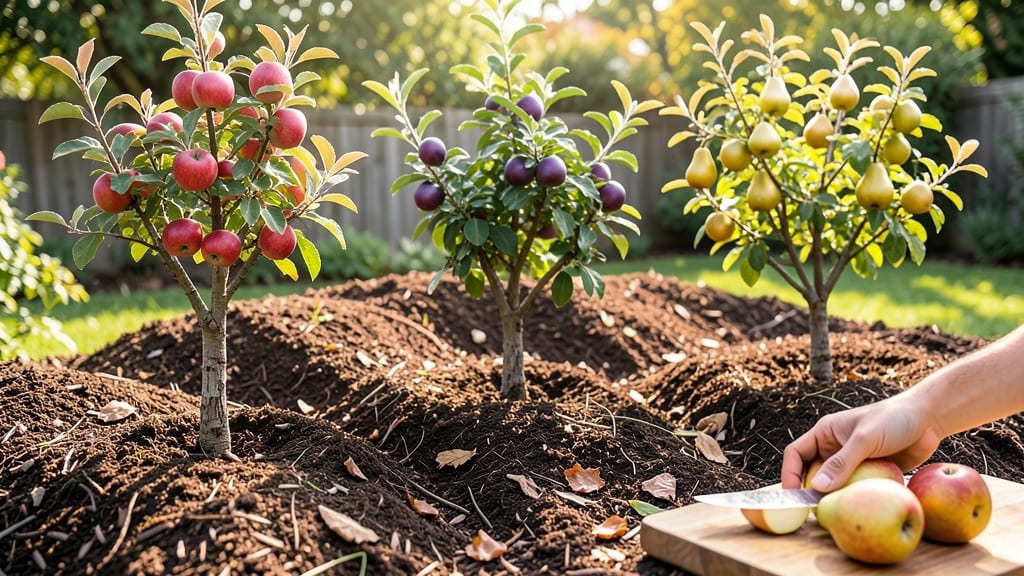
Turn your backyard into a productive privacy screen with a fruit tree berm that doubles as a harvestable orchard. Unlike traditional privacy barriers, this design gives you fresh apples, pears, or plums while creating a natural, seasonal screen that changes with the seasons.
Plant dwarf varieties like 'Columnar Apple' or 'Patio Pear' in staggered rows along a gently sloping berm. Space trees 8-10 feet apart to allow airflow while maximizing privacy—expect full coverage in 3-5 years. Mulch heavily to retain moisture and suppress weeds, and consider adding a rustic trellis for climbing roses or clematis to fill gaps during early growth.
This design is ideal for food gardeners with small spaces who want both beauty and bounty. The staggered planting creates visual interest while ensuring every season brings something new—spring blossoms, summer fruit, and autumn color. 🌟
Willow Weeping Tree Berm
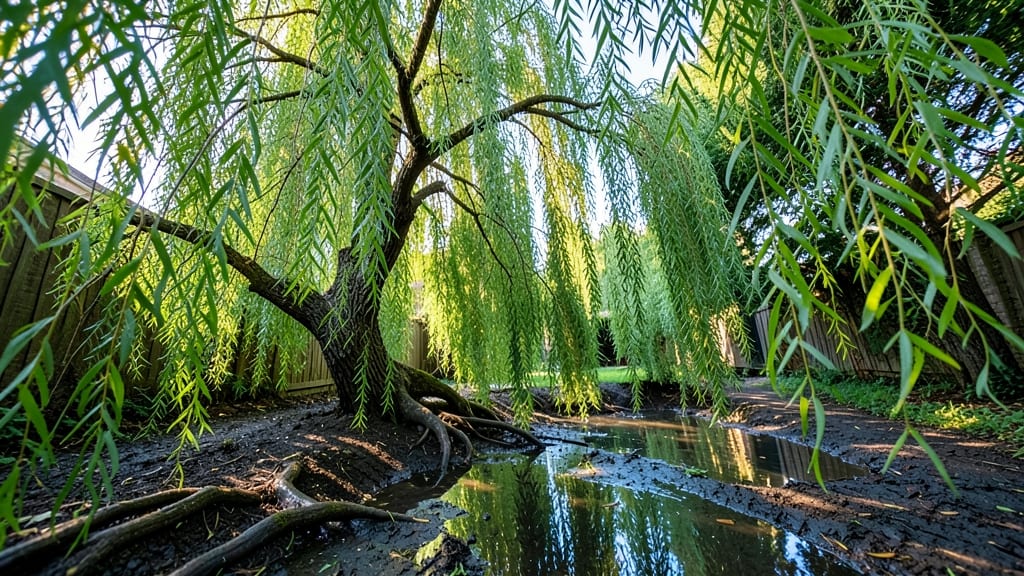
Transform your soggy backyard corner into a dramatic privacy oasis with weeping willow berms. Unlike traditional privacy screens, these graceful trees thrive in wet soil conditions, making them perfect for planting near ponds, streams, or low-lying areas where other plants struggle.
Choose Salix caprea varieties for their elegant, cascading branches that create a living waterfall effect when trained over terraced berms. These trees handle moisture-loving conditions while providing year-round interest with their golden-green foliage and delicate catkins. Plant them in well-drained but damp soil and watch them establish quickly, offering both privacy and a serene, natural focal point.
This design is ideal for gardeners with wetland areas or those seeking a romantic, low-maintenance solution that blends seamlessly with water features. 🌿
Cedar Hedge Berm Design
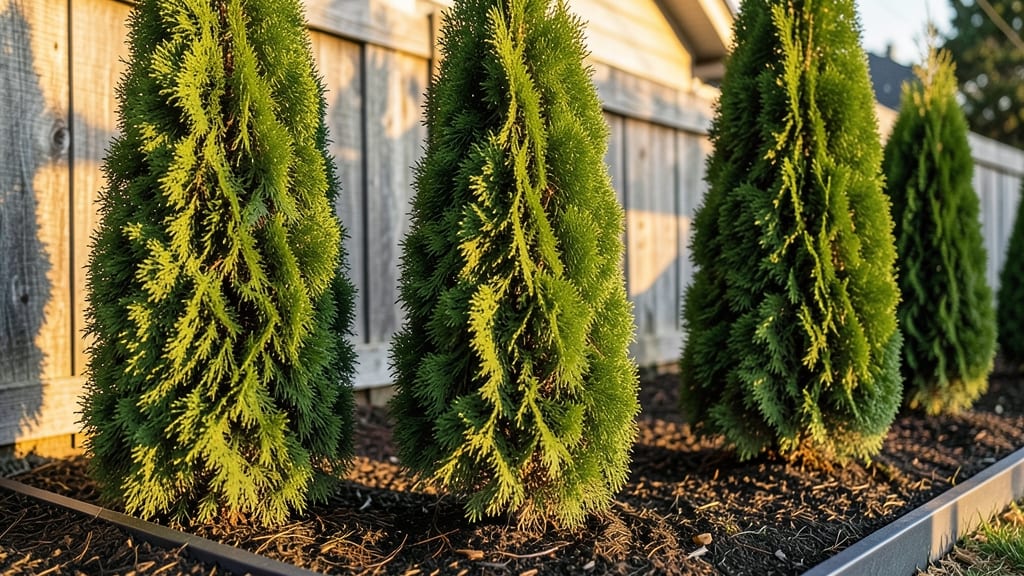
Want a privacy screen that grows faster than your neighbor’s fence but requires less upkeep? Columnar cedars like Green Giant are the answer—these trees shoot up 3-4 feet annually, creating a dense, evergreen barrier in just a few years.
Unlike traditional hedges, cedar berms need minimal pruning (just a light trim once or twice a year) and are naturally resistant to deer browsing, making them ideal for rural or suburban properties. Plant them in staggered rows along a gently sloping berm for a clean, vertical look that softens property lines while keeping maintenance to a minimum.
Perfect for homeowners who want year-round privacy without the hassle of frequent trimming or invasive roots. 🌿
Flowering Vine Berm Trellis
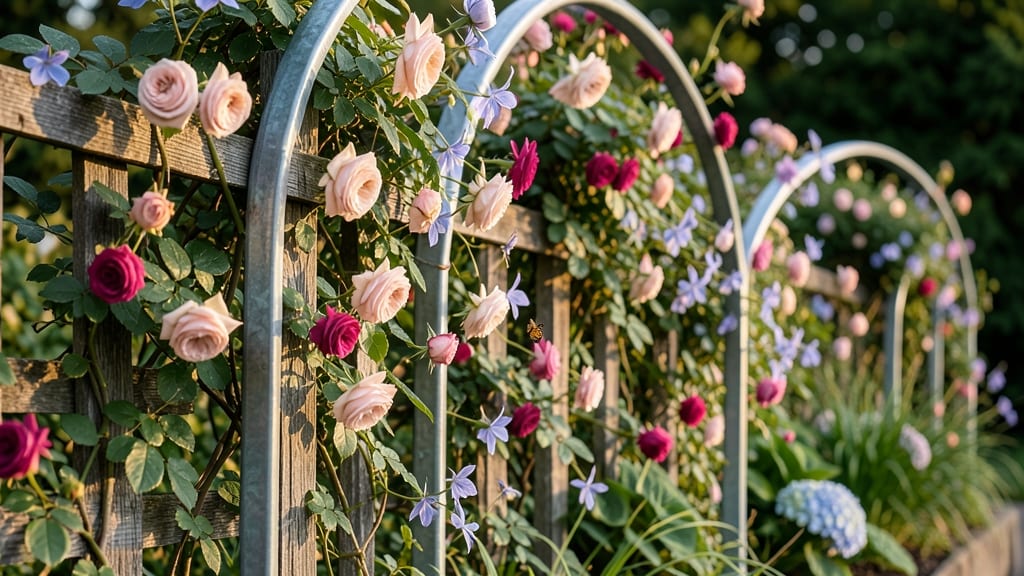
Transform your berm into a fragrant, living privacy screen with climbing roses or clematis trained on sturdy trellises. Unlike dense shrubs, these vines create a romantic, airy barrier that blooms seasonally while attracting bees and butterflies to your garden.
Install metal or wooden trellises along the berm’s slope, positioning them at 45-degree angles to guide vines upward and outward. Choose disease-resistant varieties like 'New Dawn' roses or 'Jackmanii' clematis for reliable blooms. Prune in late winter to encourage vigorous growth, and fertilize with compost tea for vibrant flowers.
This design is perfect for gardeners who love seasonal color and want to support pollinators. The fragrant blooms add sensory appeal while creating a soft, natural screen that softens hard landscape lines. 🌷
Privacy Tree Berm with Underplanting
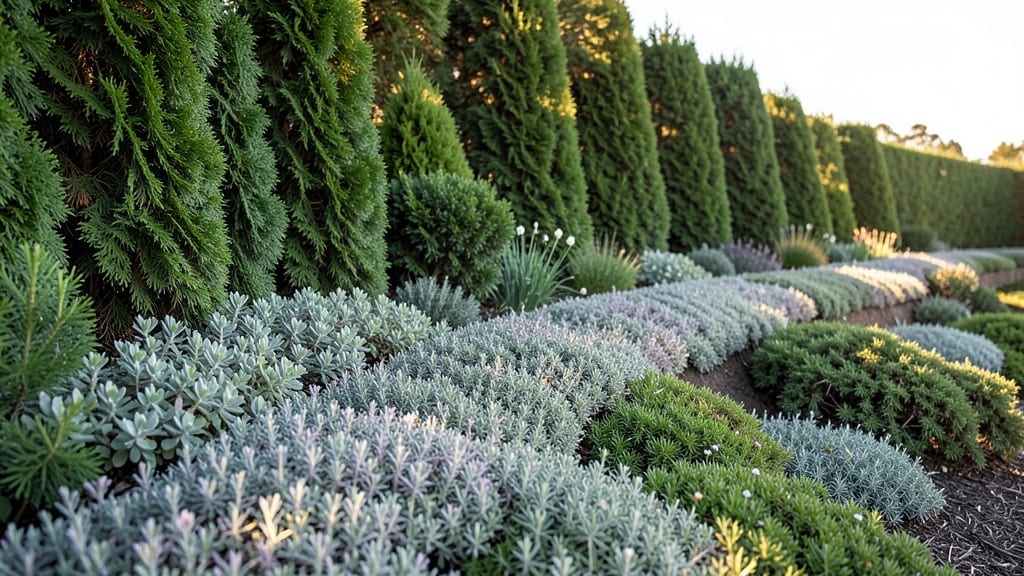
Say goodbye to weedy ground covers and hello to a self-maintaining privacy screen—layered berms combine tall evergreens like arborvitae with drought-tolerant ground covers such as creeping thyme or sedum. This smart design not only blocks nosy neighbors but also smothers weeds by eliminating bare soil.
The key is planting fast-growing trees (like emerald green arborvitae) along the berm’s top edge, while tucking hardy ground covers into the slopes. The thyme’s fragrant foliage adds texture and repels pests, while its low growth habit creates a lush carpet that stays green even in drought. For best results, space trees 3–4 feet apart and water deeply after planting to establish strong roots.
This approach is perfect for busy gardeners or those with rocky soil—once established, the layered design requires minimal weeding or pruning. The visual impact is immediate, making it ideal for urban backyards or country properties alike. 💚
Dwarf Conifer Berm Collection
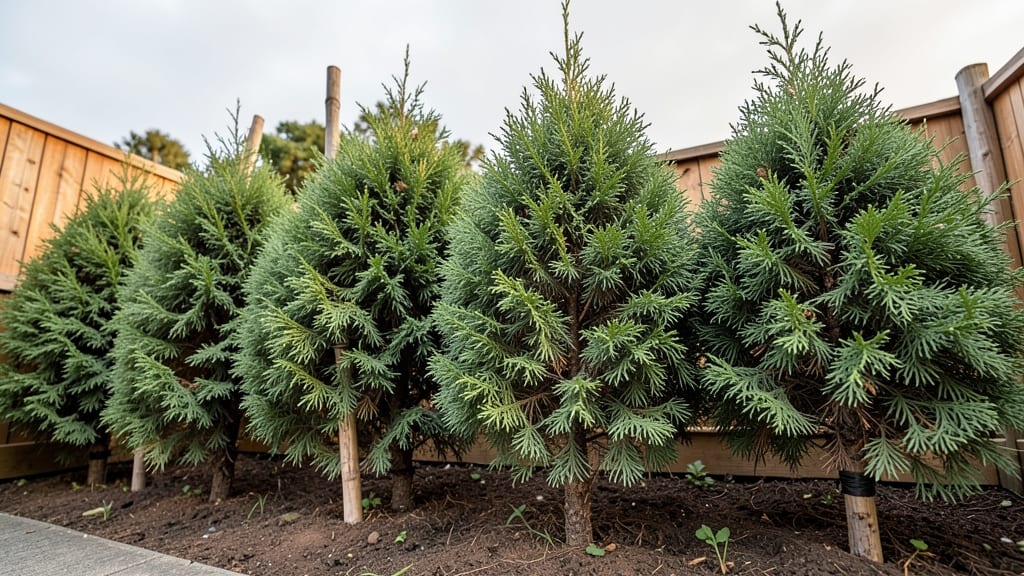
Small yards deserve privacy without sacrificing space—dwarf conifers deliver both in a compact package. Unlike fast-growing options, these slow but steady growers (like mugo pines or dwarf Alberta spruces) create dense, evergreen screens that stay manageable with minimal pruning.
Plant them in tiered berms to maximize visual impact while keeping heights under 3-4 feet—ideal for narrow side yards or urban backyards. Their needle-like foliage provides year-round coverage, and many varieties thrive in full sun to partial shade, making them versatile for different light conditions. For extra texture, pair with decorative rocks or low-growing ground covers.
Perfect for homeowners who want low-maintenance privacy without the upkeep of hedges or the space demands of larger trees. 🌿
Edible Tree Berm Garden
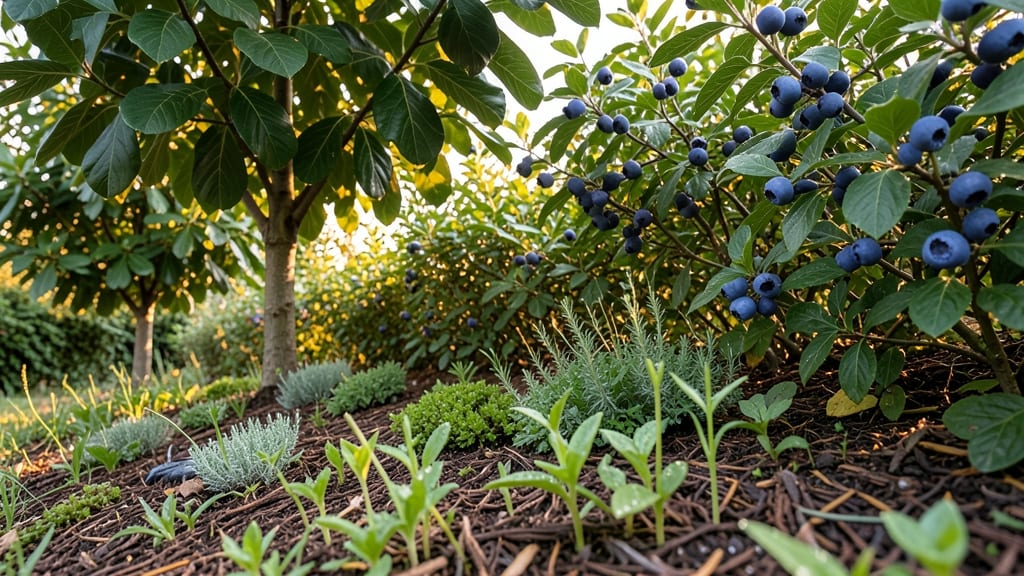
Turn your privacy screen into a pantry! An edible tree berm garden combines the beauty of mulberry trees with the bounty of blueberry bushes, creating a living fence that feeds you year after year. This permaculture-inspired design maximizes space by layering fast-growing trees with low-growing edibles, all while providing instant privacy.
Start by planting mulberry trees along the berm's upper edge—their broad leaves create a dense canopy, while their sweet fruit ripens in summer. Underplant with blueberry bushes, which thrive in acidic soil and produce harvests from June to August. Add companion plants like raspberries or currants for extra yield, and mulch heavily to retain moisture. This setup works beautifully in USDA zones 5-9, making it versatile for most climates.
Perfect for homesteaders, urban gardeners, or anyone who wants to eat what they grow, this design eliminates the need for separate garden plots while delivering both beauty and harvest. 🌱
Seasonal Color Berm Design

Want a berm that never looks dull? A seasonal color berm transforms your landscape into a year-round masterpiece by blending plants that shine in every season. This design marries the practicality of a privacy screen with the beauty of a changing palette, ensuring your garden remains vibrant from spring blooms to winter berries.
Start with spring bulbs like daffodils or tulips planted at the base, followed by summer-blooming perennials such as hydrangeas or coneflowers. Add autumn foliage plants like Japanese maples for fiery hues, and top with evergreen shrubs like holly or winterberry for year-round structure. Mulch with shredded bark to maintain moisture and suppress weeds while keeping the design clean.
Perfect for gardeners who love color but hate seasonal gaps, this berm design works beautifully in front yards, backyard borders, or even as a natural screen along property lines. With minimal extra effort, you'll enjoy a garden that feels alive in every season. 💚