
Pruning
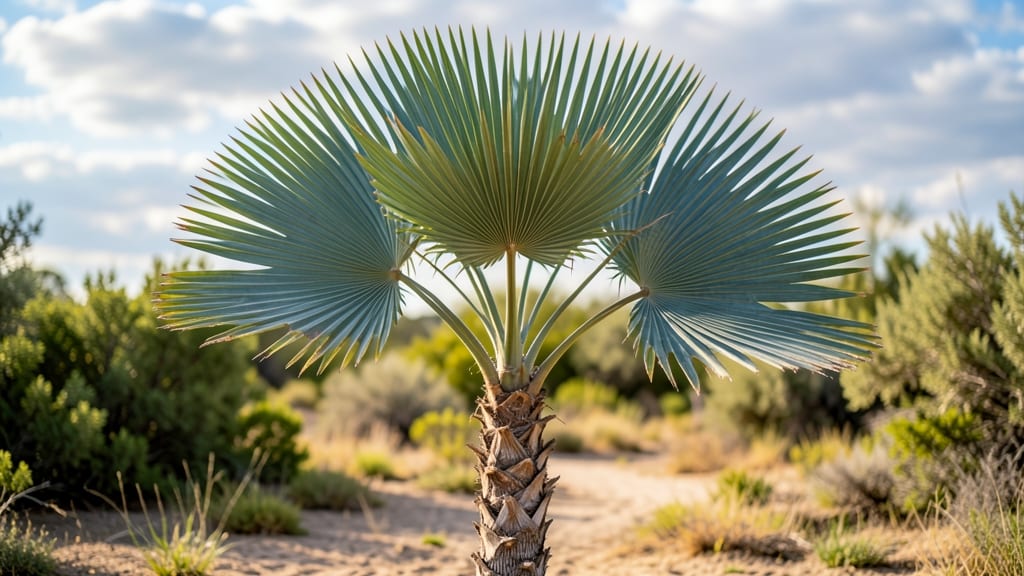
A stink tree picture will highlight its glossy dark green foliage with jagged edges, thick grayish-brown bark, and distinctive round fruit clusters that release a potent scent when handled. These visual markers help distinguish it from similar trees in outdoor settings.
A stink tree's most striking visual trait is its leaves, which grow in clusters and feature a deep green hue with sharp serrations along the edges. 🌿 The bark, often described as elephant-gray, develops deep furrows as the tree matures, creating a textured surface that contrasts with its smooth younger years.
What really sets it apart are the fruit clusters—small, round berries that turn yellowish-brown when ripe and release that signature foul odor when crushed, a key identifying feature.
When photographing these features for identification, focus on capturing the leaf arrangement and bark texture up close, as these details are most diagnostic. I recommend shooting during late summer or early fall when the fruit is fully developed, as this provides the clearest visual contrast between the tree's components.
A smartphone with macro mode or a basic camera lens can work well for close-ups, though natural light conditions remain critical for accurate color representation.
💡 In This Article
- Identifying Stink Tree Leaves, Bark, and Fruit Visually
- Best Ways to Photograph Stink Tree Features for Accurate Identification
Identifying stink tree leaves, bark, and fruit visually
The stink tree's leaves are its most eye-catching feature, with a leathery texture and elliptical shape measuring about 4-8 inches long and 2-3 inches wide. Their deep green color comes from high chlorophyll content, which helps the tree thrive in both sun and partial shade.
The serrated edges create a saw-like pattern when viewed closely, distinguishing them from smoother leaf varieties like maple or oak. 🌿 These leaves grow in clusters of 3-5 along the branches, creating a layered effect that's particularly noticeable in mature trees.
The bark starts smooth and grayish when young but develops deep vertical grooves as the tree ages, resembling elephant skin. This textured surface becomes more pronounced after 10-15 years, with the grooves reaching up to 1/4 inch deep in mature specimens.
The color varies from light gray to nearly black, depending on sunlight exposure and location. What's fascinating is how the bark's roughness contrasts with the leaves' smoothness, creating a visual balance that makes identification easier.
The fruit clusters are where the stink tree earns its name. These small, round berries grow in tight groups of 10-20 and start green before turning yellowish-brown when ripe.
Each berry measures about 1/4 inch in diameter, but their real claim to fame is the odor they release when crushed. This smell comes from volatile compounds like methyl salicylate and benzaldehyde, which are also found in wintergreen and almond extracts.
The odor's intensity peaks in late summer to early fall, making this the best time to photograph the fruit for identification purposes.
Seasonal changes play a crucial role in visual identification. In spring, you'll see fresh green leaves emerging alongside new shoots, while summer brings fully developed foliage and the first signs of fruit formation.
Autumn is when the fruit reaches peak ripeness and odor intensity, while winter reveals the tree's full bark texture without leaf interference. Comparing these seasonal views helps distinguish stink trees from look-alikes like the related catalpa tree, which has larger leaves and different fruit clusters.
For accurate identification, focus on these three visual combinations: leaves with serrated edges growing in clusters, deeply grooved bark, and small round fruit clusters.
The leaf arrangement alone can differentiate stink trees from similar species, as most related trees have alternate leaf patterns rather than the stink tree's clustered growth habit. This botanical quirk makes the tree particularly distinctive in mixed woodlands and urban landscapes.
What most people don't realize is how the tree's features change with age. Young stink trees might look quite different from mature specimens, with smoother bark and less pronounced leaf serrations.
This is why photographing multiple sections of the tree - from trunk to branches to fruit clusters - provides the most accurate identification reference. The combination of these visual elements creates a unique signature that's hard to confuse with other species.