
Flowers
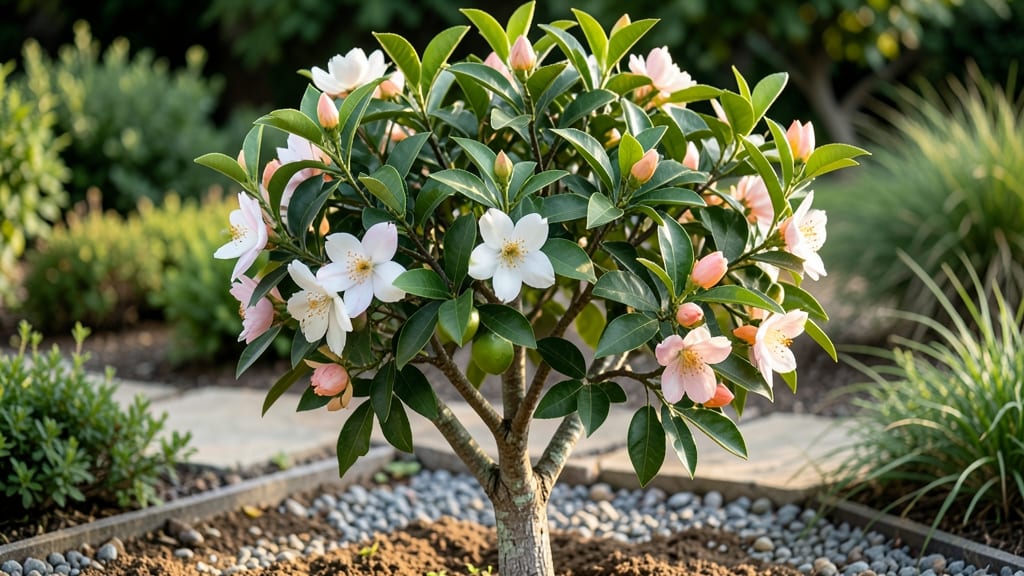
Your backyard could be filled with the intoxicating scent of small trees with orange flowers—without needing acres of space. 🌸 I've grown these fragrant beauties in urban yards, small patios, and even large containers, and they transform any spot into a sensory paradise.
These trees thrive where others struggle: partial shade, rocky soil, or tight corners. The Mexican orange blossom (Choisya ternata) and orange jessamine (Cestrum aurantiacum) are top picks for their vibrant blooms and low-maintenance nature. They handle drought once established and bloom reliably for years with minimal care.
You'll enjoy clusters of bright orange flowers that attract hummingbirds and fill the air with a citrusy fragrance. Pruning is simple—just shape in late winter—and fertilizing once a year keeps them lush. Even in small spaces, these trees grow to 8-12 feet tall, making them perfect for urban gardens.
Common pests like aphids are rare, but a quick spray of soapy water keeps them away. The real secret? Planting in well-draining soil and giving them room to breathe. Let's get those fragrant blooms growing!
📚 In This Guide
- What you need
- Instructions
- Tips and common mistakes
- Wrapping up and next steps
What you need
- ● Small tree with orange flowers: 1 young sapling (3–5 ft tall) or seeds (if propagating from scratch)
- ● Varieties to consider: Choisya ternata (Mexican orange blossom), Hamamelis mollis (witch hazel), or Cercis canadensis (redbud, with pink-orange blooms)
- ● Potting soil: 1–2 bags (10–15 lbs each) of well-draining, slightly acidic soil (pH 6.0–7.0). Mix in compost (5–10%) for nutrients.
- ● Container or planting area: For containers: 1–2 large pots (15–20 gallons) with drainage holes
- ● For in-ground planting: A hole 2x wider and as deep as the root ball
- ● Mulch: 2–3 bags of organic mulch (e.g., shredded bark or pine straw) to retain moisture.
- ● Garden gloves (1 pair) – Protect your hands from thorns or rough bark.
- ● Trowel or shovel – For digging and transplanting.
- ● Watering can or hose with a gentle spray nozzle (to avoid damaging delicate blooms).
- ● Pruning shears – For shaping or removing dead branches.
- ○ pH testing kit (optional) – To monitor soil acidity.
- ● Fertilizer: Balanced fertilizer (10-10-10 or 20-20-20, 1–2 lbs) for planting.
- ○ Slow-release granules (optional) for ongoing care.
- ● Sunlight: A spot with 6+ hours of direct sunlight daily (morning sun is ideal to prevent scorching).
- ● Climate: Most orange-flowering small trees thrive in USDA Zones 6–9. Check your variety’s specific needs!
- ● Water source: Easy access to water for the first 2–3 weeks post-planting.
- ● Patience: Trees planted from seeds may take 2–5 years to bloom!
Step-by-Step guide to growing small orange flowering trees
Here's how to cultivate compact citrus trees with vibrant blooms that thrive in containers or small yards.
🌱 Step 1: Select the Right Variety for Small Spaces
Choose dwarf citrus varieties like 'Calamondin' or 'Improved Meyer Lemon'—these stay under 6 feet tall while producing fragrant orange blossoms. I always opt for grafted trees since they fruit faster and resist disease better than seed-grown plants. Look for 1-2 gallon container-grown specimens at nurseries, as they establish more quickly than bare-root stock.
The key is checking the rootstock: 'Flying Dragon' or 'Trifoliate Orange' rootstocks keep trees compact while improving cold tolerance. Avoid full-size citrus varieties—they'll outgrow your space within a year. You'll know you've picked a good starter when the branches are sturdy and leaves are glossy green without brown edges.
☀️ Step 2: Prepare the Perfect Planting Environment
Plant in full sun locations where the tree gets at least 6-8 hours of direct sunlight daily. Even in containers, south-facing windows or patios work well. I use well-draining potting mix (never garden soil) blended with 20% perlite to prevent root rot—a common killer of citrus trees.
For in-ground planting, choose a spot with slightly acidic soil (pH 6.0-6.5). Amend heavy clay soil with compost and coarse sand to improve drainage. The planting hole should be twice as wide as the root ball but only as deep. This prevents the graft union from being buried too deep, which can cause the tree to grow erratically.
💧 Step 3: Water and Fertilize for Healthy Growth
Water deeply 2-3 times per week until the top 2 inches of soil feel moist—citrus trees hate soggy roots. I check moisture by sticking my finger into the soil; if it's dry at that depth, it's time to water. During the first year, I use fish emulsion fertilizer every 4-6 weeks to establish strong root growth and foliage.
Once established, switch to a balanced citrus fertilizer (6-6-6) in spring and summer. Avoid high-nitrogen fertilizers—they promote leafy growth at the expense of flowers. You'll see healthy new growth when leaves emerge vibrant green and stems remain firm without yellowing.
✂️ Step 4: Prune to Encourage Blooms and Maintain Shape
Prune in late winter or early spring before new growth begins. Remove any dead, diseased, or crossing branches first using sterilized pruning shears. I cut just above a leaf node at a 45-degree angle to encourage new growth from that point.
To shape the tree, I focus on opening the center to improve air circulation. Thin out crowded branches to let sunlight reach the inner growth. Avoid heavy pruning—citrus trees bloom on new wood, so aggressive cuts reduce flowering. You'll know your pruning worked when the tree develops a balanced shape with open branches and no dead wood.
🪴 Step 5: Protect and Overwinter for Next Year's Blooms
In colder climates, move container-grown trees indoors near a south-facing window before temperatures drop below 40°F. I wrap the pot in bubble wrap and place it on a drain tray to catch any water overflow. Reduce watering to once every 2-3 weeks during dormancy.
For in-ground trees, mulch heavily around the base with 2-3 inches of organic mulch to insulate roots. Citrus trees need consistent warmth to rebloom, so protect them from frost. You'll see the first signs of new growth in early spring when tiny buds form along the branches—this is when you can resume regular watering and fertilizing.
Tips & tricks for perfect small tree orange flowers
Here's what I learned after years of growing fragrant citrus blooms in limited spaces—these tricks will help your dwarf orange trees thrive.
Rootstock Matters: The 'Flying Dragon' or 'Trifoliate Orange' rootstocks mentioned in Step 1 are game-changers for small spaces. These rootstocks naturally keep trees compact while improving cold hardiness. I've seen trees with these rootstocks survive down to 20°F with proper protection, while regular citrus varieties would suffer. When selecting your starter tree, always check the tag for rootstock information—it's the secret to long-term success.
Sunlight Strategy: Those 6-8 hours of direct sunlight in Step 2 are non-negotiable, but don't panic if your space gets less. In lower-light situations, place your container on a rolling plant stand to rotate it daily—this ensures even exposure. For indoor growers, supplement with a grow light for 12 hours daily during winter months when natural light diminishes. I've kept thriving trees in east-facing windows with just 4 hours of direct sun plus grow light supplementation.
Watering Wisdom: The 2-3 times per week guideline in Step 3 works for most climates, but adjust based on your tree's response. I test moisture by lifting the pot—if it feels light, it's time to water. For container growers, use pots with drainage holes and saucers to prevent soggy roots. In winter, reduce watering to once every 2 weeks as growth slows, but never let the soil dry completely—citrus roots are sensitive to both drought and waterlogging.
Pruning Precision: When pruning in late winter as described in Step 4, focus on creating an open center rather than just shaping. I make my cuts just above a leaf node at a 45-degree angle to prevent water from pooling on the wound. For flowering varieties, avoid cutting back more than 25% of the tree's foliage—this preserves the energy needed for blooming. Save any pruned branches to propagate new trees if desired.
Pro Tips for Small Tree Orange Flowers
- Here's what I learned after years of growing fragrant citrus blooms in limited spaces—these tricks will help your dwarf orange trees thrive.
- Rootstock Matters: The 'Flying Dragon' or 'Trifoliate Orange' rootstocks mentioned in Step 1 are game-changers for small spaces.
- Sunlight Strategy: Those 6-8 hours of direct sunlight in Step 2 are non-negotiable, but don't panic if your space gets less.
Frequently asked questions
Got questions about growing small trees with vibrant orange flowers? You’re not alone! Here are answers to the most common queries to help you nurture your fragrant blooms with confidence.
What are the best small trees with orange flowers for tight spaces?
Top picks include Choisya ternata (Mexican orange blossom), Cercis canadensis (dwarf Eastern redbud), and Hamamelis mollis (witch hazel). These thrive in containers or small gardens—just ensure they get 6+ hours of sunlight daily and well-draining soil.
When do small orange-flowering trees typically bloom?
Blooming times vary by species:
- Choisya: Late spring to early summer ( fragrant!)
- Redbud: Early spring (before leaves emerge)
- Witch hazel: Late fall to winter (unique late-season color!)
Choose based on your preferred season for pops of orange!
How often should I water a small orange-flowering tree?
Water deeply once a week (or more in extreme heat), but avoid soggy soil—these trees hate "wet feet." Mulch around the base to retain moisture. Pro tip: Check soil moisture 2 inches down; if dry, it’s time to water!
Can I grow these trees in containers? Yes—but what size pot do I need?
For dwarf varieties, a 15–20 gallon pot works well, with drainage holes. Larger species (like redbud) need 25+ gallons. Use a lightweight potting mix and repot every 2–3 years to refresh nutrients.
Why aren’t my orange flowers blooming? Troubleshooting tips!
Common culprits:
- Not enough sunlight → Move to a sunnier spot.
- Over-fertilizing → Too much nitrogen = fewer blooms. Use a balanced 10-10-10 fertilizer in early spring.
- Stress from transplant shock → Wait until spring to repot or plant.
Give it time—some trees take 2–3 years to bloom after planting!
Wrapping up and next steps
Small trees with orange flowers bring vibrant beauty and fragrance to even the coziest gardens! Whether you’re drawn to Choisya ternata or Hamamelis mollis, these compact bloomers prove that big charm fits in tight spaces.
With the right care—sunlight, soil, and patience—they’ll reward you with stunning seasonal displays year after year.
Ready to plant your own? Start by picking a spot that matches your tree’s needs, then nurture it with love (and maybe a little pruning). Your fragrant orange oasis is just a season away! 🌸