
Pruning
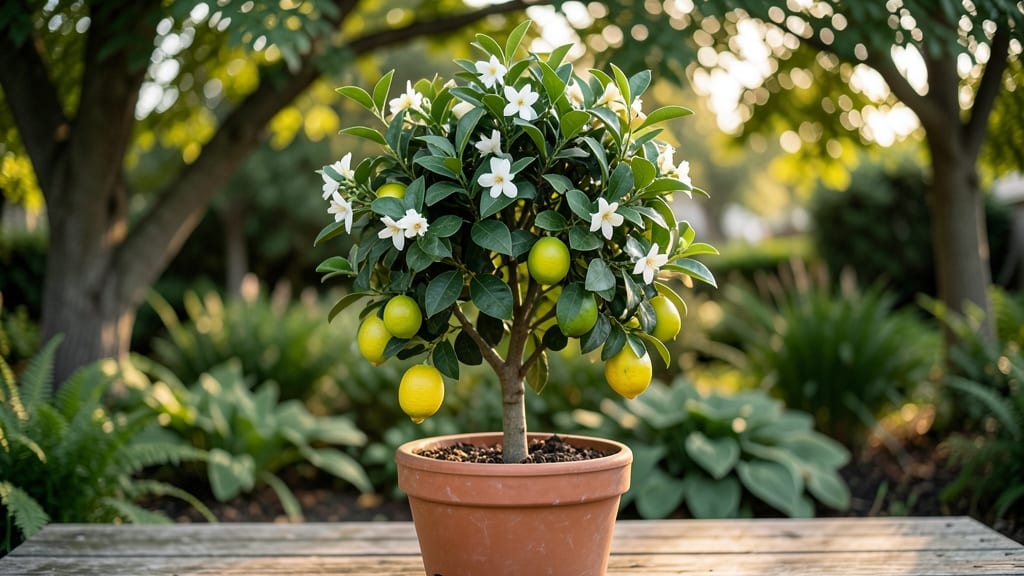
Growing a small lemon tree in a pot means fresh citrus year-round, even on a balcony or patio. 🌱 I’ve nurtured mine through three winters—now it’s heavy with fruit by late summer—and the secret isn’t complicated: it’s about matching the tree’s needs to your space, from sunlight to soil.
Most people overwater or under-prune, but with a few adjustments, you’ll keep yours thriving for decades.
The right container makes all the difference: 15-20 gallons for dwarf varieties like ‘Meyer’ or ‘Improved Meyer,’ with drainage holes to prevent soggy roots. Use a well-draining mix of 60% potting soil, 30% perlite, and 10% compost, and repot every 2-3 years to refresh nutrients.
Place it where it gets 6-8 hours of sunlight daily—south-facing windows or a sheltered outdoor spot work best.
By late spring, you’ll see new growth, and with proper care, your tree could bear fruit within 2-3 years. The lemons might be small, but they’re sweeter than store-bought, and the glossy leaves smell like sunshine.
Prune in early spring to shape the tree and encourage airflow, cutting back one-third of the oldest branches to keep it compact.
Winter care is the trickiest part: if temps drop below 40°F, move your tree indoors near a sunny window and reduce watering. Watch for yellow leaves (overwatering) or dropped buds (drought stress)—both are easy to fix once you know the signs.
With patience, your potted lemon tree will reward you with harvests for years.
📚 In This Guide
- What you need
- Instructions
- Tips and common mistakes
- Wrapping up and next steps
What you need
- ● Lemon tree variety: Dwarf Meyer lemon (best for pots) or other dwarf citrus varieties (e.g., 'Improved Meyer').
- ● Pot: 12–18" diameter (minimum) with drainage holes. Terracotta or ceramic works best.
- ● Potting mix: 3–5 gallons of well-draining citrus/succulent mix (or DIY: 60% peat moss, 30% perlite, 10% sand).
- ● Drainage layer: Small gravel, pebbles, or broken pottery (1–2" thick) for the pot’s base.
- ● Fertilizer: Citrus-specific slow-release granules or liquid fertilizer (e.g., 6-6-6 NPK ratio).
- ● Pruning tools: Bypass pruners (sharp, clean)
- ● Sterilized hand saw (for thicker branches)
- ○ Support (optional but helpful): Small stake or trellis for young trees.
- ● Mulch: Organic mulch (e.g., pine bark) to retain moisture.
- ● Grow lights: LED full-spectrum bulb (if indoors, 12–16 hrs/day).
- ● Humidity tray: For dry climates (pebbles + water under the pot).
- ● Citrus food: Epsom salt (magnesium sulfate) for yellowing leaves.
- ● Spray bottle: For misting leaves (especially in dry conditions).
Step-by-step instructions for growing a small lemon tree in a pot
Here's how I grow thriving dwarf lemon trees indoors—no greenhouse needed.
🌱 Step 1: Select the Right Dwarf Variety and Container
Choose a dwarf Meyer lemon tree (Citrus × meyeri) for its compact growth and cold tolerance. These stay under 6 feet tall and produce fruit in just 2-3 years. Your pot must have drainage holes—I use 12-15 inch diameter containers for my trees, which gives roots room to spread without becoming root-bound.
Terracotta pots work best because they allow excess moisture to evaporate through the sides, preventing the soggy soil that kills citrus roots. If using plastic, add extra perlite to the mix to improve drainage. The pot should be at least 12 inches deep—shallow containers restrict root growth and stunt the tree.
🌿 Step 2: Prepare Well-Draining Soil and Plant
Citrus trees hate soggy feet, so mix 50% premium potting soil with 30% perlite and 20% coarse sand (or pumice) for perfect drainage. I avoid garden soil—it compacts and suffocates roots. Fill the pot 2/3 full with your mix, then gently remove the tree from its nursery container and loosen the roots if they're circling.
Place the tree in the pot so the root flare (where roots meet the trunk) sits just above soil level. This prevents the trunk from rotting later. Fill around the roots with more mix, pressing lightly to eliminate air pockets. Water deeply until it drains from the bottom holes—this settles the soil and removes any air gaps.
☀️ Step 3: Position for Maximum Light and Warmth
Lemon trees need 6-8 hours of direct sunlight daily, but they’ll scorch in hot afternoon sun during summer. Place yours near a south-facing window where it gets morning light and filtered afternoon sun. If your space lacks natural light, supplement with a full-spectrum LED grow light kept 6-12 inches above the tree for 12-14 hours daily.
Keep the temperature between 65-75°F—citrus trees won’t thrive below 55°F. Avoid drafts from doors or AC vents, which cause leaf drop. If your home runs cooler, a small space heater near the pot (but not touching) helps maintain warmth. You’ll notice new growth within 4-6 weeks if conditions are right.
💧 Step 4: Water and Fertilize for Consistent Growth
Water when the top 2 inches of soil feel dry—stick your finger in to check. Overwatering is the #1 killer of potted citrus, so never let the pot sit in saucers of water. Instead, water until it runs freely from the drainage holes, then empty the saucer. In winter, reduce watering to every 7-10 days—the tree’s growth slows, and soggy soil invites root rot.
Feed every 4-6 weeks with a balanced citrus fertilizer (10-10-10 or 8-3-9 ratio). I dilute it to half-strength to avoid burning roots. In late summer, switch to a low-nitrogen, high-phosphorus fertilizer (like 5-10-10) to encourage flowering. Prune leggy branches in spring to maintain shape—cut just above a leaf node to promote bushier growth.
✂️ Step 5: Prune and Harvest for Long-Term Health
Prune in late winter or early spring before new growth begins. Remove dead, crossing, or inward-growing branches first, then trim back any leggy stems by 1/3 to encourage branching. Sterilize your pruners with rubbing alcohol between cuts to prevent disease. You’ll see new shoots within 2-3 weeks—these indicate the tree is recovering well.
Harvest lemons when they’re fully colored but still slightly firm. Meyer lemons turn yellow-orange when ripe. Twist gently to remove—if the stem doesn’t pull away easily, wait another week. Store harvested fruit at room temperature for up to 2 weeks, or refrigerate for longer shelf life. With proper care, your tree can produce dozens of lemons annually once mature.
Tips & tricks for perfect indoor lemon tree growth
These little-known strategies will help your dwarf lemon tree thrive year-round—no greenhouse required.
Lighting Strategy: If your natural light is inconsistent, invest in a full-spectrum LED grow light on a timer. Position it 6-12 inches above the tree and set it for 12-14 hours daily to mimic natural daylight cycles. I've seen dramatic growth improvements in just two weeks when supplementing cloudy winter days. The key is consistency—citrus trees need reliable light to produce fruit, and artificial light bridges the gap when windows aren't enough.
Soil Mix Secret: The 50-30-20 ratio of premium potting soil to perlite to coarse sand is non-negotiable, but here's what I've learned: always pre-moisten your soil mix before planting. Dry soil clumps around roots, creating air pockets that stunt growth. I mix the dry components first, then add just enough water to make it damp like a wrung-out sponge. This ensures even moisture distribution right from planting day.
Temperature Management: While the ideal range is 65-75°F, I've found that small citrus trees actually tolerate brief dips to 50°F without permanent damage—just avoid prolonged exposure below 55°F. The real danger comes from sudden temperature swings. If you notice leaf drop during winter, move your tree away from drafty windows or heating vents. A simple thermometer near the pot helps monitor conditions without guesswork.
Pruning Technique: When trimming those leggy stems by 1/3, always cut just above a leaf node where new growth emerges. I sterilize my pruners with rubbing alcohol between cuts to prevent fungal infections—a critical step I skipped for years and paid for with yellowing leaves. After pruning, rotate your pot 1/4 turn weekly to ensure even light exposure all around the tree. This simple habit produces bushier, more productive growth.
Pro Tips for Small Lemon Tree In Pot
- These little-known strategies will help your dwarf lemon tree thrive year-round—no greenhouse required.
- Lighting Strategy: If your natural light is inconsistent, invest in a full-spectrum LED grow light on a timer.
- Soil Mix Secret: The 50-30-20 ratio of premium potting soil to perlite to coarse sand is non-negotiable, but here's what I've learned: always pre-moisten your soil mix before planting.
Frequently asked questions
Got questions about keeping your small lemon tree in a pot thriving? You’re not alone! Here are answers to the most common queries—from pruning to pests and everything in between.
How often should I prune a lemon tree in a pot?
Prune your lemon tree lightly 2-3 times a year: spring (to shape and encourage fruit), summer (to remove dead growth), and late winter (for major structural cuts). Avoid heavy pruning in fall—it stresses the tree before dormancy. Focus on removing suckers (shoots at the base) and crossing branches to keep airflow strong. Check our pruning guide for step-by-step tips!
Can a potted lemon tree bear fruit?
Yes! With proper care, a dwarf or Meyer lemon tree in a pot can produce fruit—though smaller yields than in-ground trees. Ensure it gets 6+ hours of sunlight daily, well-draining soil, and regular feeding (use citrus fertilizer in spring/summer). Patience is key: it may take 2–3 years for your tree to bear fruit. Pro tip: Hand-pollinate flowers with a soft brush if bees are scarce!
Why are my lemon tree’s leaves turning yellow?
Yellow leaves usually signal overwatering, underwatering, or nutrient deficiency. Check the soil: if it’s soggy, reduce watering; if dry, increase it. Yellowing between veins often means iron deficiency—try adding chelated iron or a citrus-specific fertilizer. Brown edges? It could be fluoride buildup from tap water. Switch to rainwater or filtered water if needed.
What’s the best temperature range for a potted lemon tree?
Lemon trees thrive in 60–85°F (15–30°C) during the day and 50–55°F (10–13°C) at night. Protect your tree from temperatures below 30°F (-1°C)—move it indoors or to a sheltered spot. Heatwaves above 90°F (32°C) can stress the tree; provide light shade during peak afternoon sun. Winter care: Keep it away from drafty windows or heaters!
What size pot is best for a small lemon tree?
Start with a 5-gallon pot for young trees (up to 3 feet tall) and upgrade to 10–15 gallons as it matures. Ensure the pot has drainage holes to prevent root rot. Dwarf varieties (like ‘Meyer’ or ‘Improved Meyer’) stay compact, but even they need 1–2 inches of space per year for root growth. Pro tip: Use a terracotta pot—it breathes better than plastic and helps regulate moisture!
How do I get rid of pests on my lemon tree?
Common pests include aphids, spider mites, and scale insects. Start with a gentle spray of water to dislodge them, then apply neem oil or insecticidal soap (follow label instructions). For severe infestations, use horticultural oil. Prevention tip: Inspect new leaves weekly and remove heavily infested branches immediately. Keep your tree healthy and well-watered—stressed trees attract pests!
Wrapping up and next steps
Growing a small lemon tree in a pot is a rewarding journey that brings fresh citrus to your doorstep—no backyard required! 🌱 With the right pruning techniques, you’ll encourage lush growth, vibrant blooms, and a bountiful harvest.
Remember, consistency is key: trim regularly, monitor health, and enjoy the process as your tree thrives.
Ready to take the next step? Start small—pick a sunny spot, grab your tools, and give your lemon tree the love it deserves. Before you know it, you’ll be savoring homegrown lemons year-round! 🍋✨