
Pruning
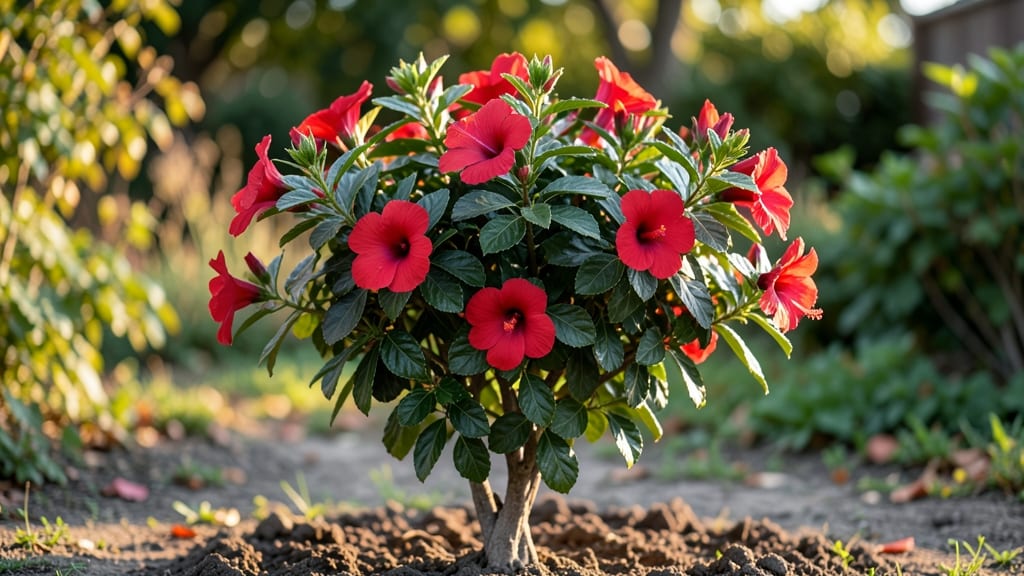
Your 'Red Tree' Rose of Sharon could bloom nonstop if you prune it right. ✂️ I’ve watched this plant transform from a sparse shrub to a vibrant red cloud of flowers just by mastering three key cuts each year—late winter, post-bloom, and light cleanups in summer.
The magic starts with sharp pruners and a clear vision: open the center for airflow, shape for structure, and never remove more than one-third of the plant at once.
Even in hot summers, this drought-tolerant beauty rewards patience—just give it 6-8 hours of sun and well-draining soil, and it’ll thrive in-ground or in large containers.
By summer’s end, you’ll have a bush bursting with 3-inch blooms that attract hummingbirds and last for weeks. The secret? Prune right after flowering to encourage next year’s buds, and skip heavy cuts in fall—this plant’s tough enough to handle winter’s chill.
Works for urban yards, small gardens, or even as a privacy screen—just space plants 8-10 feet apart. Here’s how to keep it looking effortlessly lush all season long.
📚 In This Guide
- What you need
- Instructions
- Tips and common mistakes
- Wrapping up and next steps
What you need
- ● Pruning shears – Bypass pruners (sharp, clean, and sterilized to prevent disease; 1 pair recommended).
- ● Loppers – For thicker branches (½-inch to 2-inch diameter; 1 pair).
- ● Hand pruners – For small twigs (⅛-inch to ½-inch diameter; 1 pair).
- ● Disinfectant – Rubbing alcohol (70%+ isopropyl) or bleach solution (1 part bleach to 9 parts water) to sterilize tools between cuts (small bottle or spray).
- ○ Garden gloves – Cut-resistant and breathable (optional but recommended for thorns!).
- ○ Pruning sealant – Optional but helpful for large cuts (>1-inch diameter) to prevent disease (small jar).
- ● Tarp or bucket – To collect debris (1-2 yards of plastic or a 5-gallon bucket).
- ● Ladder or step stool – If your shrub is taller than 6 feet (ensure it’s stable and rated for your weight).
- ● Pruning saw – For stubborn, 2-inch+ diameter branches (if loppers fail).
- ● Marking twine or flags – To tag branches for future reference (e.g., colored twine or plastic plant markers).
- ● Garden kneeler or stool – For comfort when working close to the ground.
- ● Camera or phone – To document your shrub’s shape before/after pruning!
Strategic pruning for vibrant Red Tree Rose of Sharon
Here's how to keep your shrub blooming abundantly year after year with precise timing and technique.
✂️ Step 1: Late Winter Dormant Pruning (Before Bud Break)
Start your pruning in late February or early March, when the plant is still dormant but before new growth begins. This is the most critical cut—it establishes the framework for the entire season. I always prune on a dry day to minimize disease risk, and I use sharp bypass pruners to make clean cuts just above outward-facing buds.
Remove any dead, diseased, or crossing branches first. These cuts should be aggressive—cut back to the main stem or to a healthy lateral branch. For the overall shape, I aim to open up the center of the shrub by removing about 25-30% of the oldest wood. This encourages new growth from the base and prevents the plant from becoming too dense.
Watch for the first signs of bud swell—tiny green bumps along the stems. Once you see these, stop pruning immediately. Pruning after bud break removes potential blooms and stresses the plant unnecessarily. The goal here is to shape while preserving next season's flowers.
🌿 Step 2: Post-Bloom Thinning (Mid to Late Summer)
After your red Tree of Sharon finishes blooming—typically in June or July—perform a second round of pruning to maintain shape and encourage next year's flowers. This time, focus on thinning out about one-third of the oldest stems right at the base. These stems have already produced their blooms for the season and won't contribute to next year's growth.
Look for stems that are thinner, weaker, or growing inward toward the center of the plant. These are the ones to remove completely. For remaining stems, cut back about one-third of their length to encourage bushier growth. You'll see new side shoots forming within 2-3 weeks—this is your signal that the plant is responding well.
Here's the thing—don't worry about leaving some stems longer than others. The Tree of Sharon is forgiving and will fill in naturally. Just maintain that open, vase-like shape to ensure good air circulation and light penetration throughout the shrub.
🌱 Step 3: Light Summer Maintenance Pruning (As Needed)
Throughout the growing season, perform light pruning to maintain shape and remove any suckers or watersprouts that appear at the base of the plant. These are the fast-growing, weak stems that sap energy from your main shrub. I remove them as soon as I spot them—usually every 4-6 weeks during the growing season.
For any stems that have become leggy or overgrown, you can trim them back by about one-third to encourage branching. Make your cuts just above a leaf node or outward-facing bud. Avoid cutting into old wood—you'll know it's old if it's darker and doesn't have any green growth at the tip.
This is also when you should remove any spent blooms or seed pods. While Tree of Sharon isn't overly prone to self-seeding, those seed pods can look unsightly. Pinch them off as they form to keep your shrub looking tidy and encourage more flowering.
⏰ Step 4: Seasonal Cleanup (Fall and Early Winter)
In late fall, after the first hard frost but before the ground freezes, perform a final cleanup. Remove any remaining dead or diseased branches, and cut back any stems that have become overly leggy during the season. This prevents pests and diseases from overwintering in the plant.
I also like to give the base of the plant a good raking to remove any fallen leaves or debris. This helps prevent soil-borne diseases and keeps the root zone healthy. While you don't need to do any major structural pruning in winter, you can remove any branches that were damaged by frost or storms.
Don't worry about making the plant look perfect during this final pruning. The focus is on cleanup and preparation for next season's growth. The Tree of Sharon will reward your efforts with even more vibrant blooms the following year.
Tips & tricks for pruning Red Tree of Sharon for maximum blooms
These pro techniques will help you maintain a healthy, vibrant shrub that bursts with color every season.
Timing is Everything: The late February to early March window for dormant pruning (Step 1) is non-negotiable—this is when the plant's energy reserves are at their peak for new growth. I've learned the hard way that pruning too early risks frost damage, while waiting too late removes potential blooms. Check your local frost dates and mark your calendar! Look for those tiny green buds swelling along the stems as your absolute cutoff point.
Tool Precision Matters: Sharp bypass pruners are your best friend for clean cuts that heal properly. I've ruined too many cuts with dull tools that tear the bark, creating entry points for diseases. Always clean your pruners with rubbing alcohol between cuts on different plants. For thicker branches over 1/2 inch, use loppers—never prune these with hand pruners, as it causes unnecessary damage and stress to the plant.
Visual Cues for Perfect Cuts: When making your cuts in Step 2 (post-bloom thinning), aim to create a slight outward angle just above a leaf node or bud. This encourages new growth to shoot outward rather than inward. Think of it like creating a natural umbrella shape—this prevents the center from becoming too dense. I like to visualize removing every third stem to maintain that open vase-like structure while still keeping the plant full.
Seasonal Maintenance Strategy: During your summer maintenance (Step 3), I recommend setting a reminder every 6 weeks to check for suckers and leggy growth. These fast-growing stems steal energy from your main plant. Remove them completely at the base—don't leave any stubs. For leggy stems, cutting back by one-third encourages bushier growth. You'll notice new side shoots forming within 2-3 weeks, which is your reward for timely maintenance.
Pro Tips for Red Tree Rose Of Sharon
- These pro techniques will help you maintain a healthy, vibrant shrub that bursts with color every season.
- Timing is Everything: The late February to early March window for dormant pruning (Step 1) is non-negotiable—this is when the plant's energy reserves are at their peak for new growth.
- Tool Precision Matters: Sharp bypass pruners are your best friend for clean cuts that heal properly.
Frequently asked questions
When is the best time to prune my Red Tree Rose of Sharon?
Prune your Red Tree Rose of Sharon in late winter or early spring (before new growth starts) for the best results. You can also do light shaping in summer after flowering, but avoid heavy cuts then. Never prune in fall—it encourages tender growth that won’t survive winter!
How much can I cut back without harming the plant?
These hardy shrubs handle pruning up to ⅓ of their height annually. For dramatic shaping, you can even cut back to 12–18 inches from the ground—they’ll bounce back! Just avoid over-pruning in one season; spread cuts over 2–3 years for healthier regrowth.
Why aren’t my Red Tree Rose of Sharon blooms as vibrant as last year?
Duller blooms often mean overcrowded branches or poor sunlight. Thin out dense growth in late winter to improve airflow, and ensure it gets 6+ hours of sun daily. Fertilize lightly in spring with a balanced formula (10-10-10) to boost flower production.
Can I prune in winter if it’s not freezing?
Yes! Prune on mild winter days (above 40°F) to avoid stressing the plant. Just avoid wet or icy conditions, which can spread disease. If your area has harsh winters, wait until after the last frost for safety.
What if my Red Tree Rose of Sharon looks leggy after pruning?
Leggy growth happens when too many top branches are cut or the plant lacks sunlight. To fix it, prune selectively—focus on inner branches first. Add a light fertilizer (like 5-10-10) in spring and ensure it’s in full sun to encourage bushier, fuller regrowth.
Wrapping up and next steps
The Red Tree Rose of Sharon thrives with the right pruning care—whether you’re shaping it for beauty or encouraging lush blooms! 🌸 By following seasonal strategies (like light cuts in spring and structural trims in winter), you’ll keep this hardy shrub vibrant and full of life.
Remember, patience and consistency are key!
Ready to transform your garden? Grab your pruners and start small—even a single well-placed cut makes a difference. Check out our pruning calendar for month-by-month guidance and watch your Rose of Sharon shine year after year!