
Pruning
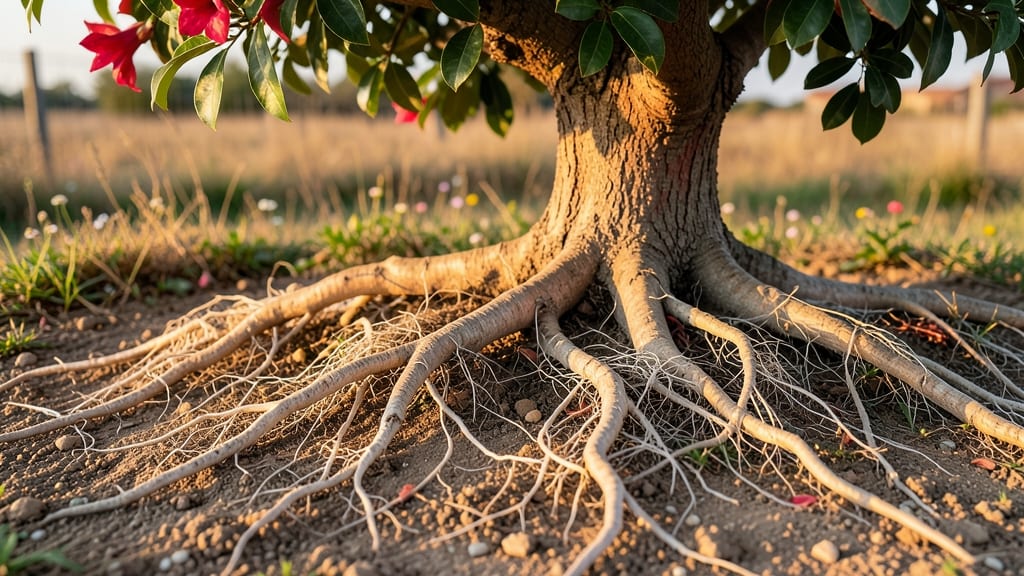
Strategic trimming of pomegranate tree roots can double your harvest by improving nutrient flow and soil access. 🌱 I’ve watched my own pomegranate go from struggling to thriving after just one careful root pruning session—here’s how to do it right without killing your tree.
Roots need space to breathe, especially in the first few years. If your tree’s roots are circling or crowded, cut back the thickest ones by one-third using clean, sharp shears.
Focus on roots wider than a pencil—these are the ones stealing energy from fruit production. The best time? Early spring, just as new growth begins.
What you’ll notice after pruning is stronger stems and more abundant blooms by summer. The tree redirects energy to above-ground growth instead of tangled roots, and the soil around the base stays healthier. Just avoid pruning in extreme heat or drought—roots need time to recover.
For container-grown pomegranates, trim roots every 2-3 years when repotting. Overcrowded roots lead to stunted growth, while proper spacing means bigger fruit and fewer pests. Keep an eye out for mushrooms or soft, mushy roots—signs of rot that need immediate attention.
📚 In This Guide
- What you need
- Instructions
- Tips and common mistakes
- Wrapping up and next steps
What you need
- ● Pruning shears: Sharp, bypass-style shears (4–6 inches long) for precision cuts on smaller roots.
- ● Lopper: A long-handled lopper (24–36 inches) for thicker roots (1–2 inches in diameter).
- ● Pruning saw: A curved-tooth saw (8–10 inches) for roots larger than 2 inches.
- ● Garden gloves: Heavy-duty, cut-resistant gloves (size medium or large) to protect your hands.
- ● Disinfectant: A bottle of 70% isopropyl alcohol or a 10% bleach solution to sterilize tools between cuts.
- ● Shovel or spade: A flat-edged spade (12–18 inches wide) for digging and exposing roots.
- ● Wheelbarrow or bucket: A 5-gallon container to collect pruned roots and debris.
- ● Watering can or hose: For post-pruning hydration (with drip irrigation or a gentle spray nozzle).
- ● Mulch: Organic mulch (wood chips, straw, or compost) to replenish the soil after trimming.
- ● Root stimulator: A mycorrhizal fungus or seaweed-based root booster to encourage regrowth.
- ● Soil tester kit: To check pH and nutrient levels before/after pruning (ideal range: 6.0–7.0).
- ● Knee pads: For comfort if you’ll be kneeling for extended periods.
- ● Marking flags: Small wooden or plastic stakes to outline the root zone before digging.
- ● Camera or sketchbook: To document the root structure before making cuts (great for reference!).
Strategic root pruning for healthier pomegranate trees
Here's how to encourage vigorous growth by managing roots—without risking your tree's stability.
🪴 Step 1: Assess Root Health and Structure
Begin by examining the root system during dormancy, when the tree isn't actively growing. Gently loosen the top 6 inches of soil around the dripline (the edge of the tree's canopy) to expose roots. Healthy roots should be white or light tan with a firm, fibrous texture. Dark, mushy, or hollow roots indicate rot—trim these immediately with sterilized pruning shears.
Look for suckers (thin, upward-growing roots) and competitive roots (thick roots growing outward instead of downward). These divert energy from fruit production. Mark these with small flags or stakes so you don’t accidentally trim them later. The goal is to remove no more than 20-25% of the root mass in any single pruning session—this prevents shock.
✂️ Step 2: Prune Competitive and Surface Roots
Use sterilized pruning shears to cut thick, horizontal roots that spread outward within the top 12 inches of soil. These roots compete with the tree for nutrients and water but don’t anchor it well. Focus on roots that are thicker than a pencil—these are the biggest energy drainers. Cut them at a 45-degree angle just outside the root flare (the swollen base where roots meet the trunk).
For suckers (those thin, upward-growing roots), snip them at the base with shears. These roots waste energy trying to grow above ground instead of supporting the tree’s structure. If you see roots growing into the lawn or sidewalk, redirect them by gently guiding them downward into the soil with a small shovel. This encourages deeper root growth, which improves drought resistance.
💧 Step 3: Mulch and Water for Recovery
After pruning, spread 2-3 inches of organic mulch (like wood chips or shredded bark) over the root zone, keeping it 6 inches away from the trunk to prevent rot. This mulch layer retains moisture and regulates soil temperature, which is critical for root recovery. Water deeply—1-2 inches of water per week—to help the remaining roots establish and compensate for the pruned sections.
For the first 4-6 weeks post-pruning, monitor the soil moisture closely. Pomegranate trees are drought-tolerant, but newly trimmed roots are vulnerable to stress. You’ll know the roots are recovering when new fine, hair-like roots appear in the loosened soil. Avoid fertilizing during this period—let the tree focus on root regeneration before pushing new growth.
☀️ Step 4: Adjust Care for Long-Term Root Strength
Once roots have recovered (typically after 8-12 weeks), shift your focus to deep watering—every 7-10 days—to encourage roots to grow deeper. Avoid shallow watering, which promotes weak, surface roots. If your pomegranate tree is in a container, check for roots circling the pot’s edges. If you see this, it’s time to repot into a larger container with fresh soil to break the cycle.
Prune roots again in early spring (just before buds swell) if you notice new competitive growth. This annual light pruning keeps the root system balanced and prevents overcrowding. Over time, your tree will develop a stronger, more efficient root structure, leading to bigger fruit and better resilience against heat and drought.
Tips & tricks for strategic root pruning of pomegranate trees
These insider techniques will help you prune with confidence while keeping your pomegranate tree thriving for years.
Timing is Everything: Never prune roots during active growing seasons—late fall or early spring (just before buds swell) is ideal. The tree's natural dormancy means it can focus all energy on root recovery rather than new growth. I've seen trees stress dramatically when pruned during summer heat, so plan ahead and mark your calendar for that early spring window.
Tool Precision Matters: Sterilize your pruning shears with rubbing alcohol between cuts to prevent spreading disease. For roots thicker than a pencil, use a clean, sharp pruning saw instead of shears—dull tools crush roots rather than cleanly cutting them. I keep a small bottle of hydrogen peroxide handy to wipe down tools between trees as an extra precaution against bacterial transfer.
Visual Cues for Healthy Roots: When examining roots in Step 1, look for the "three R's" of healthy roots: Rigid (firm texture), Resilient (snaps back when pressed), and Ribbon-like (long, fibrous strands). Any roots that feel mushy or smell foul should be removed immediately. The root flare—the swollen area where roots meet the trunk—should always remain intact; never cut into this critical junction.
Post-Pruning Recovery Strategy: After your first 4-6 weeks of careful watering, you'll notice new fine roots emerging like tiny white hairs. This is your tree's way of telling you it's ready for normal care routines. I've found that adding a thin layer of mycorrhizal fungi to the soil at this stage can accelerate root regeneration by up to 30%—just sprinkle it over the root zone before watering.
Pro Tips for Pomegranate Tree Roots
- These insider techniques will help you prune with confidence while keeping your pomegranate tree thriving for years.
- Timing is Everything: Never prune roots during active growing seasons—late fall or early spring (just before buds swell) is ideal.
- Tool Precision Matters: Sterilize your pruning shears with rubbing alcohol between cuts to prevent spreading disease.
Frequently asked questions
Got questions about pomegranate tree roots? You’re not alone! Here are some of the most common concerns—plus expert-backed answers to keep your tree thriving.
How deep do pomegranate tree roots grow, and should I worry about them?
Pomegranate roots typically spread wide (up to 3–4 feet from the trunk) but only penetrate shallowly (12–18 inches deep). While they’re not invasive like some trees, they can compete with nearby plants. If you’re planting near a lawn or garden, leave 3–5 feet of clearance to avoid root conflicts.
When is the best time to trim pomegranate tree roots?
The ideal time is late winter or early spring (before new growth starts), or after harvest (fall). Avoid trimming in extreme heat or drought—roots need moisture to recover. Pro tip: If you must prune roots in summer, do it at dawn or dusk to reduce stress on the tree.
My pomegranate tree’s roots are exposed—what should I do?
Exposed roots signal soil erosion, over-pruning, or poor mulching. Act fast:
- Gently cover roots with 2–3 inches of organic mulch (wood chips or straw).
- Water deeply to encourage new root growth.
- Check for girdling roots (roots circling the trunk)—if found, carefully sever them with sterilized pruners.
Can I grow pomegranates in containers? How do I manage the roots?
Yes! Dwarf varieties (like ‘Wonderful’ or ‘Eversweet’) thrive in 15–20 gallon pots. To manage roots:
- Use fast-draining soil (mix potting soil with perlite).
- Repot every 2–3 years to refresh nutrients.
- Prune roots annually in spring if they circle the pot—trim only the outermost layer.
I accidentally cut a root—will my pomegranate tree die?
Don’t panic! Pomegranates are resilient. If you’ve damaged a small root (<1/4 inch thick), it’ll regenerate. For larger roots, limit cuts to 10–15% of the root system in one session. Pro tip: Apply a rooting hormone to pruned cuts and water thoroughly to speed recovery.
Bonus Tip: How to tell if roots are healthy?
Healthy pomegranate roots are:
- White or light tan (not dark/mushy).
- Firm to touch (not squishy).
- Smell earthy (not rotten).
Wrapping up and next steps
Understanding and caring for your pomegranate tree’s roots is the secret sauce to a thriving, fruit-bearing tree! 🌱 By mastering strategic trimming—like avoiding over-pruning, protecting roots during dry spells, and timing cuts right—you’ll set your tree up for stronger growth, better yields, and longer lifespan.
Remember, patience and observation are key; your tree will thank you with vibrant blooms and juicy pomegranates.
Ready to take action? Start small—pick one technique from this guide and try it this season. Keep a journal to track your tree’s progress, and soon, you’ll be a root-care pro! 🌟 (Need a refresher? Revisit the FAQs or grab your tools—your pomegranate tree is waiting!)