
Pruning
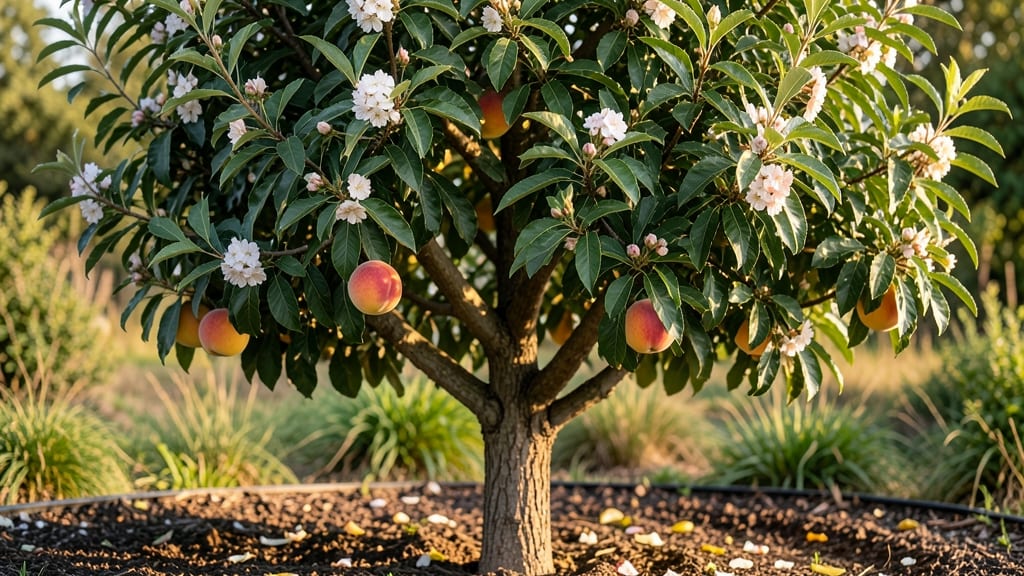
Peach trees in Zone 7 typically reach heights of 15–25 feet at maturity, though dwarf varieties stay under 8 feet. Proper pruning, spacing, and soil care maximize growth while preventing disease. Varieties like ‘Redhaven’ or ‘Elberta’ thrive in this climate with consistent winter chilling hours.
Zone 7's mild winters and hot summers create ideal conditions for peach trees, but success depends on choosing the right variety and providing proper care. 🌳 The 15–25-foot height range for standard trees means they'll need ample space—think of them as small shade trees rather than shrubs.
Dwarf varieties, however, are perfect for smaller yards or containers, offering the same fruit quality without the space requirements. The key to preventing disease lies in maintaining good airflow through strategic pruning and spacing, which also boosts fruit production.
What sets Zone 7 apart is its ability to support both freestone and clingstone varieties, though freestones like ‘Redhaven’ tend to perform best due to their disease resistance. These trees need 400–600 hours of winter chilling, which Zone 7 reliably provides, making them low-maintenance compared to other fruit trees.
My go-to tip? Plant in well-draining soil with full sun exposure and mulch heavily in winter to protect roots from temperature swings.
💡 In This Article
- Peach Tree Varieties Best Suited for Zone 7 Climates
- Pruning and Spacing Tips for Optimal Peach Tree Growth in Zone 7
Peach tree varieties best suited for Zone 7 climates
Zone 7's climate—with its 400–600 hours of winter chilling—favors specific peach varieties that balance cold tolerance with heat resilience. The ‘Redhaven’ variety, a freestone classic, thrives here, reaching 15–20 feet while producing sweet, juicy fruit with minimal disease pressure.
Its thick skin and strong branches make it ideal for Zone 7's occasional late frosts, which can damage blossoms on less hardy varieties.
For those with limited space, ‘Flavor Grenade’ dwarf varieties top out at 6–8 feet yet deliver full-sized fruit. These trees require 500+ chilling hours, perfectly matching Zone 7's winter conditions. Their compact size doesn't compromise flavor—expect the same rich, aromatic peaches as standard trees, just on a smaller scale.
The trade-off? Slightly lower yields, but the convenience often outweighs this for urban gardeners.
Disease resistance is critical in Zone 7's humid summers. ‘Contender’ stands out with its brown rot resistance, a fungal disease that thrives in the region's heat. This variety's 18–22-foot stature makes it a mid-sized option, perfect for medium yards.
Its freestone pit also means easier pitting for canning or fresh eating—ideal for home orchards where processing is common.
Soil drainage matters more in Zone 7 than in cooler climates. Varieties like ‘Elberta’ (a clingstone) need well-draining soil to prevent root rot during the region's occasional heavy rains. Its 20–25-foot height demands proper spacing, but the reward is a prolific crop with a distinct honeyed flavor.
The downside? Clingstones require more effort to pit, making them better suited for fresh eating rather than preserves.
Consider these factors when selecting: chilling hours (Zone 7's 400–600 range), tree height (space constraints), and disease resistance (humid summers).
For example, ‘Redhaven’ excels in all three categories, while ‘Flavor Grenade’ prioritizes space efficiency. 🌱 The right choice depends on your yard size, fruit preferences, and willingness to manage disease risks.
Pro tip: Plant varieties with staggered bloom times to extend your harvest season. For instance, pair ‘Redhaven’ (late June) with ‘Contender’ (early July) for a 3–4 week fruit window. This strategy maximizes yield while reducing pressure on your time and resources.