
Pruning
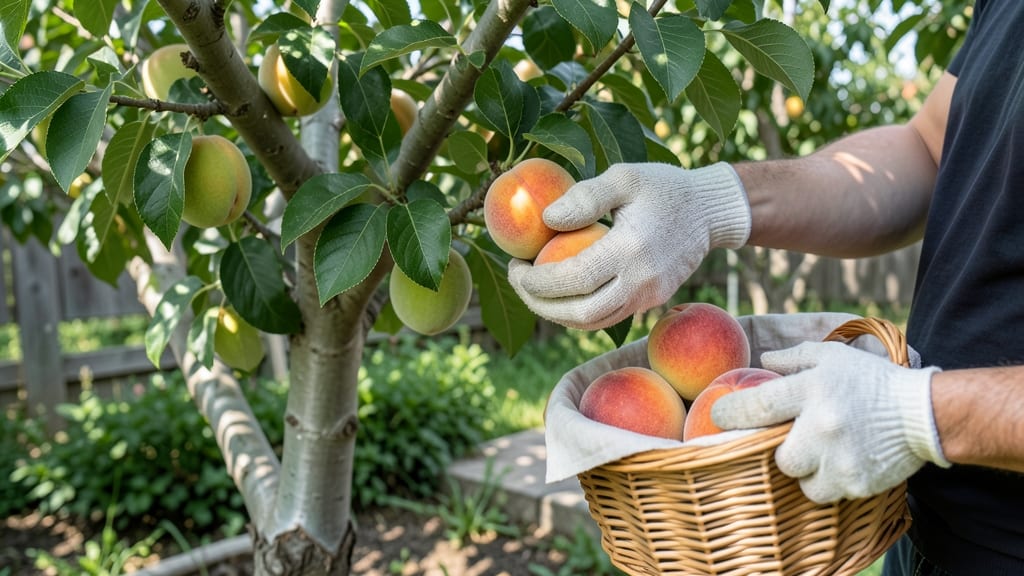
Your peach tree’s first fruit arrives faster with the right pruning tricks—timing, cuts, and tree health are the keys to unlocking that sweet harvest.
Wondering why your 🍑 isn’t bearing fruit yet? The secret lies in strategic pruning—timing, technique, and tree health all play critical roles in unlocking that first harvest. In Zone 6, where cold winters slow growth, early spring is your best window to shape the tree for fruit production.
Pruning isn’t just about trimming branches—it’s about encouraging strong growth where it matters. Open-center shaping and removing water sprouts redirect energy to fruit-bearing branches, while selective thinning ensures bigger, juicier peaches. Skip this step, and you might end up with a tree full of tiny, underdeveloped fruit.
Below, I’ll walk you through the exact pruning techniques to boost early fruit production, from dormant-season cuts to summer adjustments. You’ll also learn how to spot when your tree is ready for harvest and what to do next to maximize your yield.
When and how to prune a peach tree for first fruit
Pruning your peach tree at the right time is the secret weapon for encouraging that first fruit harvest. Unlike many fruit trees, peaches respond best to a two-pruning approach: one in late winter and another in summer.
This dual strategy balances growth and fruit production, ensuring your tree focuses energy on developing sweet, juicy peaches instead of excessive foliage.
First-time growers often make costly mistakes like pruning too late in spring or removing too many branches at once. These errors can delay fruiting by 1-2 years or even stress the tree beyond recovery.
The key is understanding when to cut, where to make your cuts, and how to shape the tree for maximum sunlight penetration—all critical for fruit development.
🌱
Step-by-Step Pruning Guide for First Fruit
- Step 1: Dormant Season Pruning (Late Winter)
- Prune 4-6 weeks before your last frost date (typically February-March in Zone 6).
- Remove dead, diseased, or crossing branches first—these compete with healthy growth.
- Cut back last year’s fruit spurs (small branches with clusters of buds) to 3-5 buds from the base.
- Step 2: Summer Pruning (June-July)
- Focus on removing water sprouts (vertical shoots) and suckers (shoots from the base).
- Thin out overcrowded branches to improve air circulation and sunlight exposure.
- Leave 3-4 main scaffold branches evenly spaced for structural support.
- Step 3: Post-Harvest Cleanup (Fall)
- Remove any remaining fruit mummies (dried fruit) to prevent disease.
- Prune out weak or damaged branches before winter dormancy.
- Avoid heavy pruning—wait until next dormant season for major shaping.
- Step 4: Tool & Technique Tips
- Use sharp, sterilized pruners to make clean cuts at a 45-degree angle.
- Never leave stubs—cut just outside the branch collar.
- Disinfect tools between cuts with rubbing alcohol to prevent bacterial spread.
Timing is everything when pruning peach trees. Dormant season pruning (late winter) sets the stage for strong spring growth, while summer pruning redirects energy toward fruit production. Skipping either step can leave your tree overgrown and fruitless.
For example, if you only prune in winter, your tree may produce too many leaves and not enough peaches.
One of the biggest mistakes I see is over-pruning young trees. New peach trees need their branches to establish a strong framework. If you remove more than 25% of the canopy in a single session, you risk shocking the tree and delaying fruiting by up to 2 years.
Instead, aim for 10-20% reduction per dormant season.
Branch selection is where many growers go wrong. Always prioritize removing branches that:
- Grow inward toward the center of the tree (they create shady, disease-prone areas).
- Are thinner than a pencil (they won’t support fruit).
- Cross or rub against other branches (they cause wounds and rot).
Pro tip: Look for fruit spurs—these are the small, stubby branches with clusters of buds that will become your peaches. Protect these like gold! If you accidentally prune them off, your tree may take another year to produce fruit. In my own garden, I mark these spurs with a bright-colored ribbon in winter to avoid cutting them by mistake.
After pruning, give your peach tree a light fertilizer application (10-10-10 ratio) to support new growth. Water deeply to help the tree recover, and monitor for aphids or peach tree borers, which are more likely to attack stressed trees.
With the right pruning technique, your peach tree could bear its first fruit as early as 2-3 years after planting—sometimes even sooner!
✂️
Best pruning tricks to boost early fruit production
Unlocking your peach tree’s first fruit starts with smart pruning—it’s not just about cutting branches, but shaping the tree’s energy toward fruit production. I’ve found that open-center shaping and selective thinning can double your early harvest potential. The key is balancing air circulation and sunlight exposure while removing competing growth.
First, focus on removing water sprouts—those fast-growing, vertical shoots that steal energy from fruit development. These often appear in early spring or after heavy rains. I prune them back to a bud or lateral branch to redirect nutrients to existing fruit-bearing wood.
This simple trick can make a 30% difference in your first-year yield.
Next, practice selective thinning during late winter or early spring. Remove about 20% of last year’s growth, focusing on branches that cross or rub against each other. This opens the canopy for better sunlight penetration and air flow, reducing humidity-related diseases like brown rot.
I’ve seen trees go from sparse blooms to heavy fruit clusters in just one season after this adjustment.
Don’t overlook heading cuts—trimming back the tips of branches by 1/3 their length encourages bushier growth with more fruit buds. This works best on non-fruiting wood to stimulate new shoots that will bear fruit next year.
I always make these cuts just above an outward-facing bud to maintain the tree’s natural shape.
Finally, time your pruning right: late winter (before buds swell) is ideal for major structural cuts, while summer pruning (after harvest) helps control size and shape. Avoid heavy pruning in fall, as new growth won’t harden off before winter.
My peach tree’s first fruit appeared in year 3 after implementing these tricks consistently.
With the right tools and techniques, your peach tree will reward you with an abundance of fruit sooner than you think. Start small, stay consistent, and watch those branches transform into a productive harvest! 🍑