
Pruning
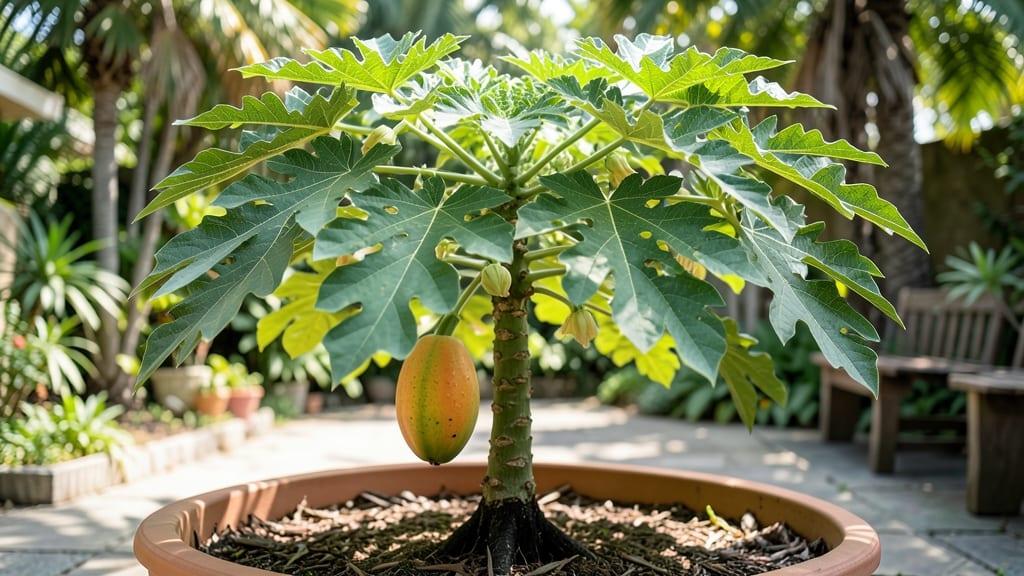
Growing papaya trees in California thrives best in USDA zones 10-11, where mild winters and warm coastal climates create perfect conditions. Varieties like 'SunUp' and 'Red Maradol' excel in Southern California's diverse microclimates, requiring full sun exposure and well-draining soil for healthy growth and abundant fruit production.
California's Mediterranean climate makes it one of the best places in the U.S. for growing papaya trees, especially in areas like San Diego and Los Angeles where temperatures rarely drop below 40°F.
The key is selecting the right variety for your specific microclimate—coastal regions benefit from 'SunUp' due to its cold tolerance, while inland areas can support larger varieties like 'Red Maradol'. 🌿 I've found that container growing works well even in urban areas, using pots with drainage holes and a mix of potting soil and perlite to prevent waterlogging, which can quickly kill papaya roots.
What sets California apart is its ability to grow papayas year-round with proper care. Unlike tropical regions, California's dry summers and mild winters create ideal conditions when combined with consistent watering and protection from strong winds.
Many home gardeners report success with dwarf varieties, which produce fruit in as little as 9-12 months—perfect for those wanting quick results without the space requirements of full-size trees.
💡 In This Article
- California’s Ideal Climate Zones for Papaya Trees
- Top Papaya Varieties for California Gardens and Containers
California’s ideal climate zones for papaya trees
California’s Mediterranean climate creates perfect conditions for papaya trees, but the devil is in the details—specifically, the microclimates that exist between coastal and inland regions. Papayas thrive in USDA zones 10-11, where winter temperatures rarely drop below 40°F.
Coastal areas like San Diego and Santa Barbara benefit from ocean breezes that moderate extreme heat, while inland valleys (such as the Coachella Valley) experience hotter days and cooler nights—both environments work, but with different adjustments.
The key threshold is 50°F at night; below this, flowering stops, and fruit production halts entirely.
Soil composition is equally critical. Papayas despise soggy roots, so well-draining soil is non-negotiable. In heavy clay regions like parts of the Central Valley, amending soil with 30-40% compost and coarse sand creates the ideal aeration. Coastal sandy soils need extra organic matter to retain moisture without suffocating roots.
A pH between 6.0-7.0 ensures nutrient uptake, while anything below 5.5 risks aluminum toxicity, which stunts growth. I’ve seen papaya trees in containers thrive with a 70/30 mix of potting soil and perlite, proving that even urban gardeners can succeed with the right setup.
What most gardeners overlook is how wind affects papaya trees. Coastal areas often experience strong breezes that can snap tender branches, while inland regions may face heat stress. Staking young trees or placing them near windbreaks (like bamboo screens) prevents damage.
The real magic happens when you combine these factors: full sun (6+ hours daily), consistent moisture (1-2 inches per week), and protection from frost.
Even a single cold snap below 32°F can kill a mature tree, so coastal growers should move potted trees indoors during winter or use row covers for in-ground plants.
Temperature also dictates flowering. Papayas flower best when day temperatures reach 75-85°F and nights stay above 60°F. Inland areas like Palm Springs naturally hit these marks, while coastal regions may need shade cloth during peak summer to prevent heat stress.
The fruit itself develops best with 12-14 hours of daylight, which California provides year-round. This is why varieties like 'SunUp' (which tolerates slightly cooler temps) outperform tropical varieties in coastal zones.
One common mistake is assuming all papayas need the same care. For example, 'Red Maradol' requires more space (10+ feet tall) and struggles in windy coastal areas, while 'Solo' (a self-pollinating dwarf) thrives in containers and handles slight temperature dips better.
The right variety for your zone isn’t just about climate—it’s about matching the tree’s growth habits to your space and microclimate. 🌵
For those in transitional zones (like parts of Orange County), combining cold-hardy varieties with protective measures—like moving trees indoors during winter—can extend the growing season. The payoff? A tree that produces fruit for 5-7 years with minimal effort, turning your backyard into a tropical oasis.
The science is clear: California’s climate isn’t just suitable for papayas—it’s tailor-made for them when you understand the nuances.