
Pruning
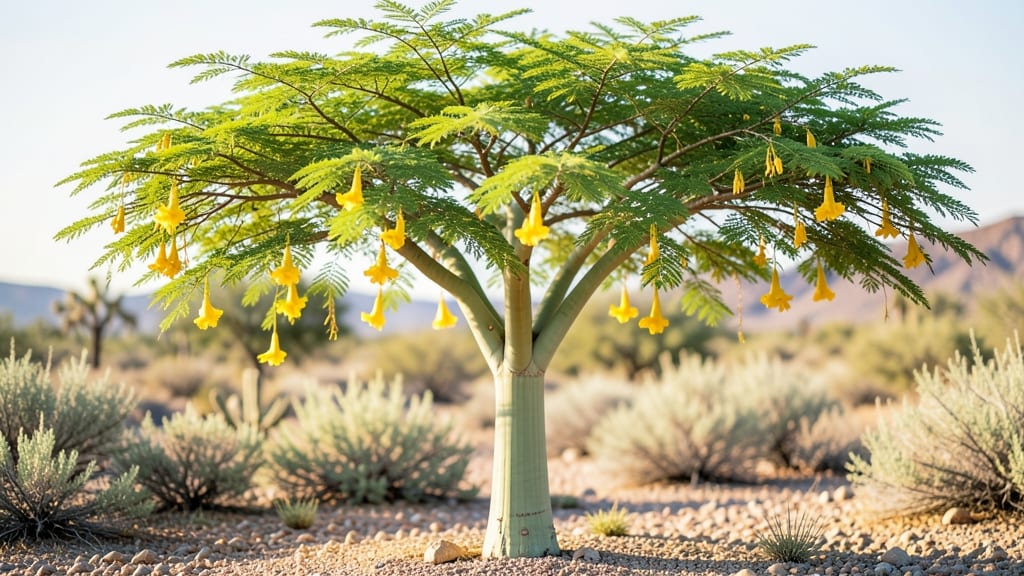
A palo verde tree in your front yard isn’t just a tree—it’s a statement of sun-loving beauty that thrives where others fail. 🌵 I’ve watched mine transform a harsh, west-facing yard into a lush, year-round oasis with its striking green bark and delicate yellow blossoms.
The key lies in its placement: full sun, well-drained soil, and enough space to spread its graceful branches. This tree isn’t fussy—it handles drought, heat, and poor soil like a champ, making it perfect for low-maintenance landscapes.
Pair it with drought-tolerant ground covers like liriope or sedum to create a cohesive, water-wise design. The contrast of its pale green foliage against darker shrubs or succulents adds depth and texture that’s hard to beat.
By mid-spring, you’ll be rewarded with clouds of fragrant blossoms that attract bees and hummingbirds, turning your yard into a living postcard. The tree’s compact size (20-30 feet at maturity) means it fits well in medium to large front yards without overwhelming the space.
For best curb appeal, plant it as a focal point near the driveway or as a backdrop for perennials. Just avoid planting too close to sidewalks—its roots spread widely but aren’t aggressive. Ready to make your front yard the envy of the neighborhood?
Root Causes Of Palo Verde Struggles
The Palo Verde tree (Parkinsonia) thrives in desert landscapes, but even these hardy trees can face challenges in front-yard settings. Understanding the why behind common issues—like leaf drop, weak growth, or pest invasions—helps you take targeted action.
Below, we break down the scientific roots of these problems, so you can address them with precision.
Palo Verde trees are drought-tolerant but not drought-proof—they still need well-draining, nutrient-rich soil to flourish.
If your front yard has: - Compacted or clay-heavy soil 🧱 – Roots suffocate, leading to yellowing leaves (chlorosis) or stunted growth. - Improper pH levels (below 6.0 or above 8.5) 📉 – Nutrient uptake fails, causing leaf scorch or poor flowering. - Lack of organic matter 🌿 – Without compost or mulch, roots struggle to access water and minerals, weakening the tree’s immune system.
Why it happens: Palo Verde trees evolved in arid, rocky soils where water drains quickly. When planted in heavy, waterlogged soil, roots can’t breathe, leading to anaerobic stress (lack of oxygen). Over time, this triggers defoliation as the tree sheds leaves to conserve energy.
Actionable fix:
- Test your soil (DIY kits or local extension services) and amend with sand, perlite, or compost to improve drainage.
- Top-dress annually with slow-release fertilizer (10-10-10 or 8-3-9) in early spring to replenish nutrients.
- Mulch heavily (3-4 inches of wood chips) to retain moisture and regulate soil temp.
Palo Verde trees are succulents—they store water in their thick, green bark and branches, not just their roots. Yet, overwatering is the #1 cause of decline in urban front yards.
Why it happens:
- Frequent shallow watering 💦 – Encourages weak, shallow roots that can’t reach deep moisture, making the tree dependent on surface water.
- Poor drainage 🚫 – If water pools around the base (common in clay soils), roots rot due to fungal infections (Phytophthora).
- Automatic sprinklers on timers ⏰ – Even drought-tolerant trees hate soggy feet; Palo Verdes can’t handle more than 1 inch of water per week in most climates.
Science breakdown: When roots sit in anaerobic conditions, they produce ethanol (a byproduct of fermentation), which is toxic to cells. The tree’s ethylene gas response kicks in, accelerating leaf drop and stem dieback.
Actionable fix:
- Water deeply but infrequently (every 7-14 days, depending on heat).
- Check soil moisture 3 inches down—if damp, wait.
- Install a drip irrigation system (slow, deep watering at the drip line, not the trunk).
Palo Verde trees love sun, but intense, direct UV exposure (especially in high-desert or coastal areas) can cause leaf scorch or bark cracking.
Why it happens:
- Sudden temperature swings 🌡️ – Mornings may be cool, but afternoon heat spikes (above 100°F) stress the tree.
- Reflective surfaces 🪞 – Light-colored driveways or walls amplify UV rays, acting like a magnifying glass on leaves.
- Transplant shock 🌳 – Newly planted trees with exposed roots can’t regulate water loss, leading to wilting or crispy edges.
Science breakdown: Palo Verde leaves have a waxy cuticle, but prolonged UV radiation breaks down chlorophyll, causing brown, papery patches. In extreme cases, xylem vessels (water conductors) cavitate, blocking water flow and leading to sudden leaf drop.
Actionable fix:
- Provide afternoon shade (30-50% shade cloth) for newly planted trees for the first 6-12 months.
- Use shade sails or lattice screens to break up direct sunlight on reflective surfaces.
- Water in early morning to reduce evaporation stress during peak heat.
A healthy Palo Verde tree rarely faces pests, but stressed trees (from poor care) become buffets for:
- Psyllids 🐜 – Tiny sap-suckers that cause yellow, curled leaves and black sooty mold.
- Scale insects 🛡️ – Armored pests that stifle growth by draining sap.
- Root weevils 🪰 – Larvae munch on roots, leading to sudden wilting.
Why it happens:
- Nutrient deficiencies (lack of nitrogen or zinc) weaken cell walls, making trees more susceptible to pests.
- Overhead watering 💦 – Keeps foliage wet, inviting fungal diseases (like powdery mildew).
- Monoculture landscapes 🏡 – Planting only Palo Verdes (or other succulents) creates pest hotspots.
Science breakdown: Pests target trees with high sugar content (a sign of stress or over-fertilization). Once they infest, they block stomata (leaf pores), reducing photosynthesis and causing stunted growth.
Actionable fix:
- Inspect leaves weekly for sticky residue (honeydew) or tiny bugs.
- Spray with neem oil (1 tbsp per gallon of water) every 2 weeks during outbreaks.
- Encourage natural predators (ladybugs, lacewings) by planting native pollinator-friendly shrubs.
Pro Tip: 💡 Most Palo Verde problems start underground. If your tree looks sick, dig 6-12 inches down—you’ll often find compacted soil, girdling roots, or poor drainage before you see leaf issues!
Revitalize Your Palo Verde Tree
Transforming your front yard into a sun-resistant, year-round showpiece with a healthy Palo Verde tree starts with addressing common issues—whether it’s sparse foliage, pest problems, or poor growth. Below are practical, step-by-step solutions tailored to the most frequent challenges, along with prevention tips to keep your tree thriving for decades.
If your Palo Verde’s leaves are thin, yellowing, or dropping prematurely, the issue is often nutrient deficiency, overwatering, or poor drainage.
🔥 Root Cause: Overwatering or Compacted Soil
Solution: 1. Check Soil Moisture 💧 – Stick your finger 2-3 inches into the soil. If it’s soggy, hold off on watering.
- Improve Drainage 🏗️ – Amend the soil with coarse sand or perlite (mix 20% into the top 12 inches of soil).
- Adjust Watering Schedule 📅 – Water deeply but infrequently (every 7-10 days in summer, less in winter). Avoid shallow, frequent watering.
💡 Pro Tip: Mulch around the base (2-3 inches of organic mulch, keeping it 6 inches away from the trunk) to retain moisture and regulate soil temperature.
🍳 Root Cause: Nutrient Deficiency (Iron or Nitrogen)
Solution: 1. Test Soil 📊 – Use a DIY soil test kit (available at garden centers) to confirm deficiencies.
- Apply Slow-Release Fertilizer 🌱 – In early spring, use a balanced, slow-release fertilizer (10-10-10 or 8-3-9) or an iron supplement if chlorosis (yellowing between veins) is present.
- Use Organic Amendments 🍄 – Mix in compost or worm castings to boost soil health naturally.
✨ Prevention: Avoid heavy-handed fertilizing—Palo Verdes are drought-tolerant and prefer lean soil. Over-fertilizing can burn roots.
Palo Verde trees are generally resilient, but scale insects, spider mites, or fungal issues can still appear.
👨🍳 Root Cause: Scale Insects or Spider Mites
Solution:
- Inspect Leaves 🔍 – Look for sticky residue (honeydew) or tiny white/cottony bugs on stems.
- Blast Off Pests 💦 – Spray leaves with water (forceful stream) to dislodge insects.
- Use Horticultural Oil 🛡️ – Apply neem oil or insecticidal soap (follow label instructions) to suffocate pests.
- Encourage Beneficial Insects 🐞 – Ladybugs and lacewings prey on mites. Plant marigolds or dill nearby to attract them.
🎯 Prevention: Keep your tree well-watered but not soggy—stress attracts pests. Prune for good airflow to reduce humidity-related fungal risks.
🌡️ Root Cause: Fungal Issues (Powdery Mildew or Root Rot)
Solution: 1. Prune for Airflow ⏰ – Thin out dense branches to reduce humidity around the canopy.
- Treat Fungus 🍄 – Spray with copper fungicide or baking soda mix (1 tsp baking soda + 1 quart water + a drop of dish soap).
- Fix Drainage Issues 🚧 – If root rot is suspected (mushy stems, wilting), dig a trench around the tree to improve drainage.
💡 Pro Tip: Avoid overhead watering—use a drip irrigation system or soaker hose to keep foliage dry.
If your Palo Verde is slow-growing or leggy, it may need structural pruning or better sunlight exposure.
🔪 Root Cause: Improper Pruning or Shade Stress
Solution:
- Prune in Late Winter ⏰ – Remove dead, crossing, or weak branches to open the canopy.
- Thin Out Interior Branches 🌿 – Aim for a vase-like shape to allow sunlight to reach lower branches.
- Avoid Heavy Pruning ⚠️ – Never remove more than 25% of foliage in one season—this stresses the tree.
🌞 Light Requirements: Palo Verdes thrive in full sun (6+ hours/day). If growth is weak, trim nearby structures or taller plants blocking sunlight.
To keep your Palo Verde tree front yard stunning year-round: ✅ Water deeply but infrequently (adjust for seasons). ✅ Fertilize lightly in early spring (avoid fall feeding). ✅ Monitor for pests monthly—act fast if you spot issues. ✅ Prune strategically to maintain shape and airflow. ✅ Mulch annually to protect roots and retain moisture.
By following these targeted fixes, your Palo Verde will reward you with lush green foliage, minimal pests, and a sturdy structure—making your front yard the envy of the neighborhood! 🌳✨
Frequently asked questions
How close to the sidewalk can I plant a Palo Verde tree?
Keep the trunk at least 3-4 feet from sidewalks or driveways to prevent root damage and allow for proper growth. Palo Verde roots spread widely but aren’t aggressive—this spacing gives them room to establish without cracking concrete.
Will a Palo Verde tree attract bees and hummingbirds?
Its fragrant yellow spring blossoms are a magnet for pollinators. Plant it near seating areas or pathways to enjoy the lively activity while adding curb appeal. Just avoid planting too close to windows if you dislike buzzing visitors.
Can I grow a Palo Verde in a container?
While possible, it’s not ideal for long-term health. Palo Verdes need deep, well-draining soil and wide root space. If container-grown, use a minimum 24-inch diameter pot with cactus/succulent mix and repot every 2-3 years. Expect slower growth compared to in-ground planting.
How do I prune for better flowering?
Prune in late winter to remove dead or crossing branches while maintaining an open canopy. Avoid heavy pruning—never cut more than 25% of foliage at once. Thin interior branches to improve airflow and sunlight penetration, which encourages more blossoms.
Are Palo Verde trees messy with fruit or leaves?
No! They produce small, inedible pods that drop in fall, but they’re not a nuisance. The tree also sheds leaves seasonally, but its green bark remains decorative year-round. Mulch heavily to contain any debris.