
Orchid Care
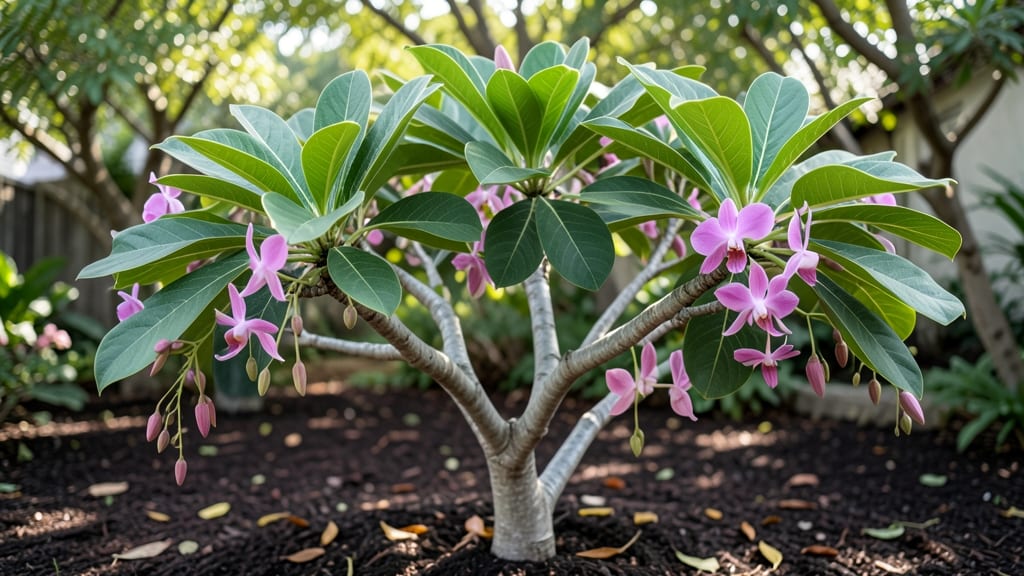
Your orchid tree phoenix (Bauhinia blakeana) can bounce back from dormancy with the right care—imagine those iconic pink blooms reaching for the sky again. 🌸 I’ve nursed my own back from near-death after a cold snap, and the secret lies in understanding its tropical roots while adapting to seasonal shifts.
This isn’t just about survival; it’s about reviving a plant that can grow 10-15 feet tall with the right conditions.
The key starts with soil: well-draining, slightly acidic mix (think 6.0-6.5 pH) keeps roots happy without drowning them. Pair that with morning sun and afternoon shade—too much direct heat wilts the leaves faster than you can say "frost damage."
Watering’s tricky too: let the top 2-3 inches dry out between drinks, but never let it bone-dry in winter.
When spring arrives, you’ll see new growth within 3-4 weeks if you’ve kept it dormant but not dead. Prune back any dead branches in late winter, then fertilize lightly with a balanced 10-10-10 mix to encourage blooms.
The payoff? A tree that bursts into color by early spring, with flowers lasting weeks if you deadhead spent blooms.
Perfect for warm climates (Zones 10-11) but can handle brief dips to 30°F with protection. If you’re in colder areas, treat it as a container plant and bring it indoors before frost. The challenge? Patience—revival takes time, but the results are worth every drop of water and hour of sunlight.
📚 In This Guide
- What you need
- Instructions
- Tips and common mistakes
- Wrapping up and next steps
What you need
- ● Pruning shears – Sterilized, sharp (for trimming dead/dormant branches)
- ● Well-draining potting mix – Cactus/succulent blend or 60% inorganic (perlite, pumice) + 40% organic (compost, bark) (2–3 gallons, depending on pot size)
- ● 5–7 gallon container – Drainage holes mandatory! (terracotta or fabric pots preferred)
- ● Slow-release fertilizer – Balanced 10-10-10 or orchid-specific (1–2 tbsp per gallon of mix)
- ● Watering can with rose attachment – For gentle, deep hydration
- ○ Mulch or bark chips – Optional but helps retain moisture (1–2 inches)
- ● Gloves – Thick gardening gloves (Bauhinia thorns are no joke!)
- ● pH test kit – To check soil acidity (ideal: 6.0–7.0)
- ● Hose or spray bottle – For misting leaves if humidity is low
- ○ Support stakes or trellis – If your tree needs structural help (optional for mature trees)
- ● Humidity tray – For indoor revival (pebbles + water)
Step-by-Step instructions for reviving your orchid tree phoenix
Here’s how I bring my orchid trees back from dormancy—every time they look like they’ve given up.
🌱 Step 1: Prune Back Dead or Dormant Growth
Start by inspecting your orchid tree for any branches that have turned brown, brittle, or completely leafless. Use clean, sharp pruning shears to cut these back to a healthy green node or bud. I like to make my cuts just above a leaf node at a 45-degree angle—this encourages new growth and prevents water from pooling.
Don’t panic if it looks drastic. Orchid trees like Bauhinia or Catalpa often shed most of their leaves in dormancy, and they’ll burst back with fresh foliage. If you’re unsure whether a branch is dead, gently scratch the bark with your fingernail—if it’s green underneath, leave it alone.
☀️ Step 2: Adjust Light and Temperature for Revival
Move your orchid tree to a spot with bright, indirect light—think east-facing window or a few feet from a south-facing one. Direct sun can scorch newly emerging leaves, while too little light slows down the process. You’ll know you’ve got it right when the remaining leaves stay vibrant green, not yellow or pale.
Gradually increase warmth as new growth appears. Aim for 65-75°F during the day and 55-60°F at night. If your home runs cooler, a small space heater near the plant (but not too close!) can help. Watch for tiny buds forming along the branches—that’s your sign the tree is waking up.
💧 Step 3: Resume Watering Gently
Dormant orchid trees need very little water, but as you see new growth, it’s time to ease back into a regular watering routine. Stick your finger 1-2 inches into the soil—if it feels dry, give it a thorough watering until water runs out the drainage hole. Let it drain completely before placing it back in its saucer.
Here’s the thing—overwatering is the #1 killer of reviving orchid trees. I water mine every 7-10 days once growth starts, but I always check the soil first. If the top inch is still damp, wait another day. Yellowing leaves or mushy stems mean you’re overdoing it.
✂️ Step 4: Fertilize Lightly to Encourage New Growth
Once you see fresh leaves or buds, switch to a balanced, water-soluble fertilizer diluted to half strength. I use a 10-10-10 or 20-20-20 mix every 2-3 weeks during the active growing season. Fertilizing too early can stress the plant while it’s still waking up, so hold off until you spot new activity.
Pay attention to the color of the new leaves. Dark green means it’s happy; pale or yellow leaves mean you’re over-fertilizing. If you notice brown tips, it’s a sign the plant is getting too much salt from the fertilizer. Flush the soil with plain water to rinse out excess salts, and cut back on fertilizing for a week.
🌿 Step 5: Monitor and Support New Blooms
As your orchid tree revives, you’ll likely see flower buds forming. These are delicate, so avoid moving the plant or changing its environment drastically. If the buds are small and still closed, they’re not ready to open yet—give them time. Once they start to swell, keep the air around them humid by misting lightly or placing a tray of water nearby.
Support taller branches with a small stake or trellis if they’re heavy with blooms. I’ve seen orchid trees snap under the weight of their own flowers, and it’s heartbreaking. Secure them loosely so you don’t damage the stems, but let them grow naturally. Within a few weeks, you’ll be rewarded with sky-high blooms that last for weeks.
Tips & tricks for reviving your orchid tree phoenix
Real talk: Bringing an orchid tree back from dormancy takes patience, but these tricks will help you avoid the most common mistakes and keep your plant on the path to sky-high blooms.
The Pruning Angle Matters: When you make those 45-degree cuts in Step 1, make sure they're clean and precise. A dull blade will crush the stems instead of making a clean cut, which can invite disease. I sterilize my pruning shears with rubbing alcohol between cuts—it's a small step that prevents infections when you're working with vulnerable branches. The 45-degree angle isn't just for looks; it creates more surface area for new growth to emerge while preventing water from sitting on the cut.
Light Check: That "bright, indirect light" in Step 2 is crucial, but what does it actually look like? Place your hand near the plant—if you can't hold it there comfortably for a minute without feeling the heat, it's too close to direct sun. For indoor growers, I recommend a simple test: If the leaves near the window are starting to turn yellow or develop brown spots, move the plant back about 6-12 inches. The goal is vibrant green, not sunburned.
Watering Wisdom: The 7-10 day watering schedule in Step 3 works best when you're consistent, but here's what nobody tells you—your orchid tree's needs change with the seasons. In winter, you might stretch that to 10-14 days since growth slows down naturally. The key is always checking that 1-2 inch soil depth with your finger. If you're unsure, it's better to wait one more day than to overwater, which can cause root rot faster than you'd think.
Fertilizer Timing: Waiting until you see fresh leaves or buds before fertilizing in Step 4 is smart, but here's the secret: The first application should happen right when you notice those first tiny leaves unfurling—not after they're fully grown. That's when your tree is most receptive to nutrients. And if you're using a 10-10-10 or 20-20-20 mix, remember that "half strength" means mixing half the recommended dose with water. Too much fertilizer too soon is like giving a sleepy friend espresso—they'll just get stressed out.
Pro Tips for Orchid Tree Phoenix
- Real talk: Bringing an orchid tree back from dormancy takes patience, but these tricks will help you avoid the most common mistakes and keep your plant on the path to sky-high blooms.
- The Pruning Angle Matters: When you make those 45-degree cuts in Step 1, make sure they're clean and precise.
- Light Check: That "bright, indirect light" in Step 2 is crucial, but what does it actually look like?
Frequently asked questions
Got questions about reviving your Bauhinia variegata (Orchid Tree Phoenix) after dormancy? You’re not alone!
Here are the most common concerns—and straightforward answers—to help your tree thrive and bloom sky-high again.
How do I know if my orchid tree is truly dormant?
Dormancy in orchid trees usually means no new leaves and dropped or bare branches for 2–3 months. Check for brown, papery bark (normal!) and no green buds. If you spot tiny green shoots or soft growth, it’s waking up—time to adjust care!
When should I prune my orchid tree after dormancy?
Wait until late winter or early spring (just before new growth starts). Prune dead or crossing branches with clean cuts, but avoid heavy trimming—this stresses the tree. Never prune in fall or during dormancy; you’ll risk stunting spring blooms!
Why are my orchid tree leaves turning yellow after watering?
Yellow leaves often signal overwatering or root rot. Let the soil dry completely between waterings (stick your finger 2 inches deep—if damp, wait!). If roots smell sour or look mushy, trim affected areas and repot in well-draining mix (cactus/sand blend works well).
Can I grow an orchid tree in a container? If so, what size pot?
Yes! Orchid trees thrive in containers but need room to grow. Start with a 15–20 gallon pot for young trees, upgrading to 25+ gallons as they mature. Use fast-draining soil (like orchid bark mix) and elevate pots to prevent soggy roots. Drainage holes are a must!
How do I encourage more blooms on my orchid tree?
Blooms love sunlight and stress! Place your tree in full sun (6+ hours daily) and reduce water slightly in late summer to trigger dormancy. Feed with low-nitrogen fertilizer (like 5-10-10) in spring. Prune lightly after blooming to shape the tree—this redirects energy to next year’s flowers!
Pro tip: If your tree isn’t blooming, it might need more sunlight or a longer dormancy period. Patience is key—some orchid trees take 3–5 years to reach their sky-high bloom potential!
Wrapping up and next steps
Reviving your orchid tree phoenix during its dormant season isn’t just about survival—it’s your chance to nurture a stunning sky-high bloomer! With the right balance of light, water, and patience, you’ll unlock vibrant blooms that bring joy for years.
Remember, consistency is key, and even small adjustments can make a big difference.
Ready to see your phoenix thrive? Start today by reassessing its care routine—whether it’s tweaking light exposure or adjusting watering habits. Every step you take brings you closer to a show-stopping display of orchid magic! 🌸✨