
Trees
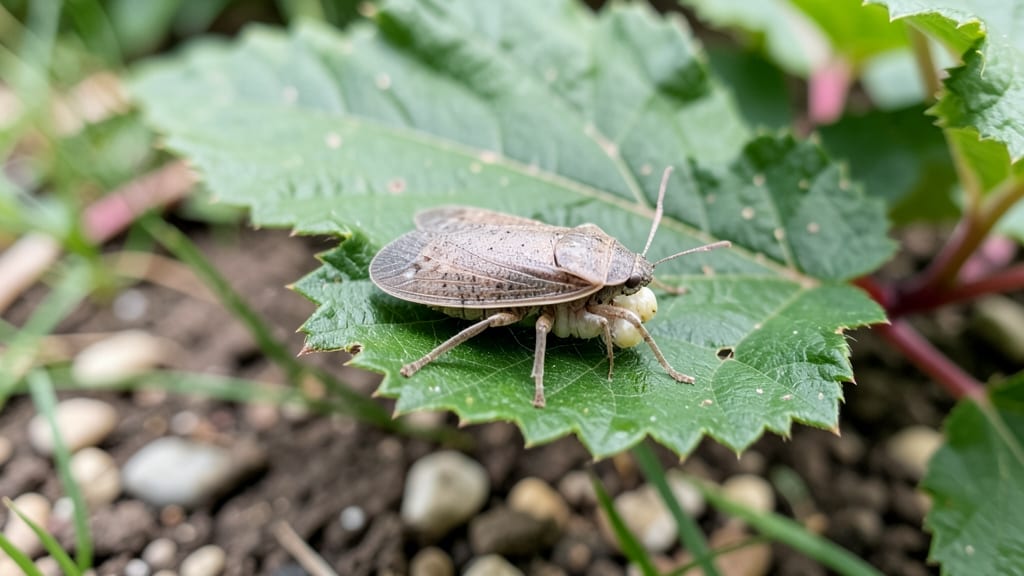
Mulberry tree bugs can turn your backyard harvest into a chewed-up mess if you don’t act fast. 🌿 I’ve battled everything from sticky aphid colonies to skeletonized leaves from Japanese beetles, and I’ve learned which sprays work—and which don’t. The key is catching problems early, before they weaken your tree’s ability to produce fruit.
Most mulberry tree pests—like scale insects, spider mites, or those voracious beetles—target young leaves and tender shoots first. You’ll spot them as tiny moving dots, webbing, or holes in foliage, often clustered on the undersides of leaves.
The good news? Many of these bugs respond to simple, non-toxic fixes like neem oil or insecticidal soap, especially when applied in the morning when pests are active.
By the time you finish reading, you’ll know exactly how to identify each pest, when to treat them (spring is critical!), and which natural remedies actually work. My mulberry trees now produce plump, unblemished berries every summer—no more sad, half-eaten clusters.
The secret? A little prevention and quick action when you spot the first signs.
Whether you’re dealing with a full-blown infestation or just want to keep your tree healthy, this guide covers organic sprays, pruning tricks, and long-term strategies that protect both your tree and the local ecosystem. Let’s get those bugs under control—naturally.
Root Causes Of Tree Pests
Understanding why mulberry trees attract pests starts with recognizing their natural appeal—and how human activity can amplify the problem. Mulberry trees (Morus spp.) are a buffet for insects due to their lush foliage, sweet sap, and nutrient-rich leaves.
But the real story lies in the environmental triggers that turn a healthy tree into a pest magnet. Let’s break down the science behind these uninvited guests.
Mulberry trees produce high-sugar sap, a natural byproduct of their rapid growth. While this makes them resilient in some ways, it also creates an irresistible food source for pests like aphids, scale insects, and spider mites.
These bugs thrive on sap because it’s packed with easily digestible sugars and amino acids—like a candy store for insects.
Why it happens:
- Young trees have thinner bark and less developed resin defenses, making them prime targets.
- Stress from drought or poor soil weakens the tree’s ability to produce protective compounds, leaving it vulnerable.
- Over-fertilization with nitrogen can boost leaf growth but also increases sap production, attracting more pests.
Actionable insight: 💡 Prune young trees to reduce sap exposure and ensure balanced fertilization (avoid heavy nitrogen).
Mulberry trees love warmth and humidity—the same conditions that many pests adore. If your tree is in a shady, damp, or poorly ventilated area, you’re essentially rolling out the welcome mat for bugs. Here’s how the environment plays a role:
| Factor | How It Attracts Pests | Solution |
|---|---|---|
| High humidity | Softens leaves, making them easier for mites to pierce. | Improve airflow with strategic pruning. |
| Stagnant water | Creates breeding grounds for fungal pests like mealybugs. | Ensure proper drainage around roots. |
| Thick foliage | Provides hiding spots for aphids and whiteflies. | Thin out dense branches for sunlight. |
Pro tip: ✨ Mulch properly—too much organic mulch can retain moisture and invite fungal-loving pests. Use a 2–3 inch layer of wood chips (not bark) and keep it 6 inches away from the trunk.
In a healthy ecosystem, beneficial insects (like ladybugs, lacewings, and parasitic wasps) keep pest populations in check. But if your mulberry tree is isolated or surrounded by pesticide-treated plants, these natural defenders get pushed out—leaving pests to feast unchecked.
Why it happens:
- Monoculture landscapes (planting only mulberry trees) reduce biodiversity, starving predator species.
- Chemical pesticides kill both pests and their predators, creating a pesticide treadmill where bugs bounce back stronger.
- Seasonal die-offs (e.g., cold winters) can temporarily wipe out predator populations, giving pests a temporary advantage.
Actionable fix: 🌿 Plant companion plants like marigolds, dill, or yarrow near your mulberry tree to attract beneficial insects. Avoid broad-spectrum pesticides—opt for neem oil or insecticidal soap instead.
Sometimes, the problem isn’t the tree itself—it’s how we interact with it. Poor maintenance, physical damage, or even overwatering can signal to pests that the tree is struggling, making it an easier target.
Common human triggers:
- Overwatering → Roots suffocate, weakening the tree’s immune response. 💦 Fix: Water deeply but infrequently (1–2 inches per week).
- Physical damage (e.g., lawnmower hits trunk, hail scars) → Opens entry points for borers and beetles. ⚒️ Fix: Apply tree wound sealant to fresh cuts.
- Ignoring leaf litter → Decaying leaves harbor eggs and fungal spores. 🍂 Fix: Rake up fallen leaves and dispose of them (don’t compost if pests are present).
Not all mulberry trees face the same pest pressures. Local climate and native insect populations play a huge role in what bugs show up—and when.
- Warmer climates (e.g., Southern U.S.) see year-round activity from scale insects and whiteflies.
- Cooler regions may experience late-spring outbreaks of aphids as temperatures rise.
- Urban areas often have higher pest loads due to pollution stressing trees and limited natural predators.
Regional hotspots to watch for:
- Aphids (common in humid East Coast states).
- Japanese beetles (Midwest/Southeast).
- Mulberry pyralid moths (South and Southwest).
Solution: 🎯 Research your USDA hardiness zone and monitor local agricultural extension reports for early warnings.
How to Treat & Prevent Tree Pests
Once you’ve identified the unwanted visitors in your mulberry tree, it’s time to take action! Below are practical, natural solutions tailored to the most common pests, along with prevention tips to keep your tree thriving.
Whether you’re dealing with aphids, spider mites, or scale insects, these methods are effective, eco-friendly, and easy to follow.
Aphids and scale insects suck sap from leaves and branches, weakening your mulberry tree. Fortunately, they’re sensitive to mild soap and horticultural oils—no harsh chemicals needed!
🔥 Step-by-Step Fix
- Choose Your Weapon
- Insecticidal soap (70% fatty acids) or neem oil (1–2% concentration) work best.
- For stubborn infestations, mix 1 tbsp mild dish soap + 1 quart water + 1 tsp vegetable oil (shake well).
- Apply at the Right Time
- Spray early morning or late evening to avoid harming bees or beneficial insects.
- Focus on undersides of leaves (where aphids hide) and cracks in bark (scale insect hotspots).
- Repeat as Needed
- Reapply every 5–7 days until pests disappear (usually 2–3 treatments).
💡 Pro Tip:
- Hose them off first! A strong stream of water can dislodge many aphids before spraying.
These tiny pests thrive in dry, dusty conditions and leave telltale speckled leaves. Combat them with water pressure and natural predators.
🍳 Step-by-Step Fix
- Blast Them Away
- Use a garden hose on a "mist" setting to knock mites off leaves (do this 2–3 times a week).
- Introduce Beneficial Insects
- Ladybugs, lacewings, and predatory mites eat spider mites. Buy them online or attract them with dill or fennel plants nearby.
- Boost Humidity
- Spider mites hate moisture. Mulch around the base of the tree and water deeply in dry spells.
🌡️ Pro Tip:
- Avoid over-fertilizing—excess nitrogen attracts spider mites!
If you spot sawdust-like frass or exit holes, borers may be tunneling inside. Early action is key—these pests can kill a tree if left unchecked.
🔪 Step-by-Step Fix
- Set Up a Trap
- Hang a borer-specific trap (like a pheromone trap) near the tree in spring/summer when they’re most active.
- Prune & Treat Infested Branches
- Cut off damaged limbs 6–12 inches below the bore hole.
- Seal wounds with pruning paint or tree wound dressing to prevent entry.
- Apply Beneficial Nematodes (For Soil Dwellers)
- If larvae are in the root zone, water the soil with beneficial nematodes (Heterorhabditis bacteriophora), which kill grubs naturally.
✨ Pro Tip:
- Encourage woodpeckers! They love snacking on borers—install a woodpecker-friendly feeder nearby.
The best defense? A strong, healthy mulberry tree that pests avoid. Here’s how to keep them away for good:
| Prevention Method | How to Do It | Best Time |
|---|---|---|
| Regular Pruning | Remove dead/diseased branches to reduce hiding spots. | Late winter/early spring |
| Mulching | Apply 3–4 inches of organic mulch (wood chips, straw) to retain moisture and deter pests. | Spring & fall |
| Neem Oil Spray (Preventative) | Spray neem oil + water every 4–6 weeks to repel soft-bodied insects. | Spring & summer |
| Companion Planting | Plant garlic, chives, or marigolds nearby—their scents deter pests. | Early spring |
| Encourage Birds & Lizards | Install birdhouses or bat boxes to attract natural predators. | Year-round |
If your mulberry tree shows large bore holes, oozing sap, or widespread defoliation, it may need professional arborist help. Severe infestations (like gypsy moths or bark beetles) require targeted treatments beyond DIY fixes.
Final Thought: With consistent monitoring and these natural methods, your mulberry tree can stay pest-free and productive for years. Start today—your tree will thank you! 🌿💚
Frequently asked questions
What are the most common bugs that attack mulberry trees?
The top culprits include aphids (tiny green/black clusters), scale insects (brown bumps on bark), spider mites (speckled leaves), and Japanese beetles (skeletonized foliage). Early spring is when you’ll spot the first signs—check leaf undersides and new growth first.
How do I tell if my mulberry tree has a serious infestation?
Watch for wilted leaves, sticky residue (aphid honeydew), or large holes in foliage. If you see sawdust-like frass near the trunk or oozing sap, borers may be tunneling inside—act fast! A healthy tree should have vibrant green leaves and minimal damage.
Can I use neem oil on mulberry trees, and how often?
Yes! Mix 1 tbsp neem oil + 1 tsp mild soap in 1 quart water and spray every 5–7 days for 2–3 weeks. Apply early morning or evening to avoid harming bees. For prevention, spray every 4–6 weeks during growing season—it repels soft-bodied pests naturally.
Will pruning help control mulberry tree bugs?
Prune dead/diseased branches in late winter to remove hiding spots. For active infestations, cut off heavily damaged limbs 6–12 inches below the affected area. Thin dense foliage to improve airflow—pests love crowded, humid conditions.
Are there natural predators that can help fight mulberry tree pests?
Yes! Ladybugs, lacewings, and parasitic wasps eat aphids and mites. Attract them by planting dill, marigolds, or yarrow nearby. Woodpeckers also snack on borers—install a woodpecker-friendly feeder to encourage them to visit your yard.