
Pruning
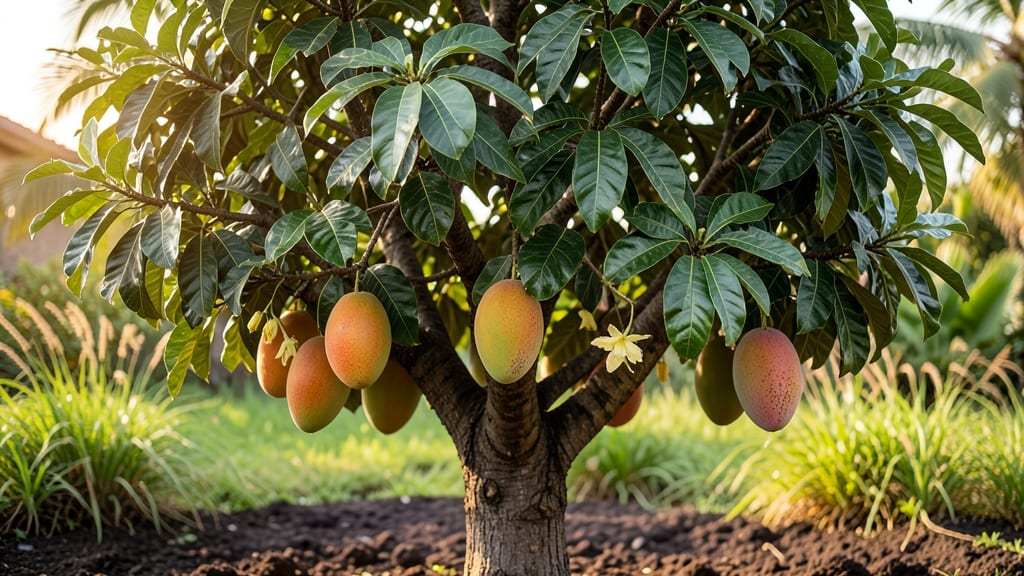
A mango tree with ripe fruits transforms your garden into a tropical paradise 🥭, where every bite feels like a vacation. There’s nothing quite like biting into a perfectly ripe mango—juicy, sweet, and bursting with tropical flavor.
But here’s the catch: timing is everything. Harvest too early, and you’ll end up with a bland, mealy mess. Wait too long, and the fruit might drop before you get a chance to enjoy it.
The key is learning the subtle cues—color shifts, stem give, even the scent—that signal peak ripeness.
In this guide, I’ll show you how to spot the perfect mango, the best way to harvest it without harming your tree, and how to place your mango tree in your garden for maximum visual impact.
Whether you’re a seasoned gardener or just starting, these tips will help you turn your backyard into a lush, fruiting oasis.
You’ll also discover how to pair your mango tree with complementary plants and design tricks to make it the star of your outdoor space. Ready to turn your garden into a flavorful haven? Let’s get started.


How to identify perfectly ripe mangoes on the tree
Picking mangoes at the right moment ensures the best flavor and texture. Unlike some fruits that ripen off the tree, mangoes must be harvested when they're ready to eat—no waiting! The key lies in observing three critical cues: color, tactile response, and aroma.
These signs work together to confirm peak ripeness, so let’s break them down step by step.
First, focus on the skin color. Mango varieties differ, but ripe fruits typically shift from green to shades of yellow, orange, red, or purple, depending on the type.
For example, 'Haden' mangoes turn reddish, while 'Kent' varieties develop a golden hue. However, color alone isn’t enough—some mangoes stay green even when ripe!
Next, perform the gentle squeeze test. A perfectly ripe mango will yield slightly when pressed with your fingertips, similar to a ripe avocado. If the fruit feels rock-hard, it’s underripe. If it’s mushy or leaves an indent, it’s overripe. This tactile check is your best friend for avoiding disappointment.
Finally, trust your nose! A ripe mango emits a sweet, tropical fragrance near the stem. If the fruit smells faint or neutral, it’s not ready. This scent is your final confirmation that the sugars inside have fully developed. Pro tip: Sniff near the stem, as the aroma intensifies there.
Here’s a quick reference to help you spot ripe mangoes effortlessly:
| Ripeness Cue | What to Look For | Action |
|---|---|---|
| Color Change | Deepens to yellow, orange, red, or purple (varies by variety) | Observe skin color shifts over 2-3 days. |
| Tactile Response | Yields slightly when gently squeezed | Press near the center—no indent should remain. |
| Aroma Test | Sweet, tropical scent near the stem | Sniff close to the fruit—no scent means it’s not ready. |
| Stem Response | Separates cleanly from the branch | Gently twist the fruit—if it detaches easily, it’s ripe. |
One common mistake is assuming all mangoes ripen at once. In reality, fruits on a single tree may ripen over weeks, so check your tree daily during peak season. Pay extra attention to mangoes on the shadier side of the tree—they often ripen slower due to less sunlight.
If you’re unsure whether a mango is ready, harvest it and let it ripen indoors. Place it in a paper bag with a banana or apple to speed up the process using ethylene gas.
This natural ripening trick works wonders for underripe fruits, but it’s always better to pick at peak ripeness for the best flavor!
Overripe mangoes are easy to spot—they’ll have dark spots, a fermented smell, and a mushy texture. These fruits are best used in smoothies or baked goods, but they won’t deliver that perfect juicy bite.
By mastering these cues, you’ll never miss the window for harvesting mangoes at their absolute best.
Pro tip: Keep a small notebook near your mango tree to track color changes and ripening patterns. Over time, you’ll develop an intuition for when your tree’s fruits are ready to pick. This practice pays off with sweeter, juicier mangoes every season.
Now that you’re equipped with these visual, tactile, and scent-based cues, you’re ready to harvest mangoes like a pro. The next step? Learning how to pick them safely without damaging the tree or the fruit. Stay tuned for our step-by-step harvesting guide!
Step-by-step guide to harvesting mangoes without damaging the tree
Harvesting mangoes at the right time ensures peak flavor and protects your tree’s health for future yields. The key is timing and gentle technique—both critical to avoid bruising the fruit or stressing the tree.
If you harvest too early, the mangoes won’t ripen properly, while waiting too long risks dropping or spoiling them. Let’s break down the process so you can enjoy juicy, sweet mangoes year after year.
Before you start, gather your tools: a sharp pruning shears, a small ladder (for higher branches), and a bucket or basket to collect the fruit. Avoid using dull tools, as they can tear the skin or damage the tree.
Work on a dry, sunny morning when the fruit is firm and the air is cool—this minimizes bruising and helps the mangoes ripen evenly indoors if needed.
How to Harvest Mangoes Safely
- Step 1: Check Ripeness Look for color changes (deep yellow, red, or orange) and a slight give when gently squeezed. The stem should also separate easily from the branch.
- Step 2: Use the Right Technique Hold the mango firmly and twist it gently while pulling downward. If the fruit resists, use pruning shears to cut the stem cleanly, leaving a small stub.
- Step 3: Avoid Dropping Fruits Place a soft cloth or towel beneath the fruit to prevent bruising. If harvesting from a ladder, move slowly and avoid sudden movements.
- Step 4: Handle with Care Never throw mangoes into a bucket—place them gently to avoid crushing. Store them in a cool, shaded area until ready to ripen indoors.
- Step 5: Post-Harvest Care After harvesting, water the tree deeply to replenish moisture lost during the process. Prune any damaged or diseased branches to encourage new growth.
Once you’ve harvested your mangoes, let them ripen indoors for a few days at room temperature. Place them in a paper bag with a banana or apple to speed up the process—ethylene gas from these fruits triggers ripening.
Check daily and remove overripe mangoes to prevent spoilage. Never refrigerate unripe mangoes, as cold temperatures can ruin their texture and flavor.
After harvesting, monitor your mango tree for signs of stress, such as yellowing leaves or drooping branches. If you notice these, increase watering slightly and apply a balanced fertilizer to support recovery. With proper care, your tree will reward you with even more delicious mangoes next season!
Remember, the goal is to preserve fruit quality while keeping the tree healthy. By following these steps, you’ll enjoy perfectly ripe mangoes and a thriving tree for years to come. Happy harvesting!