
Pruning
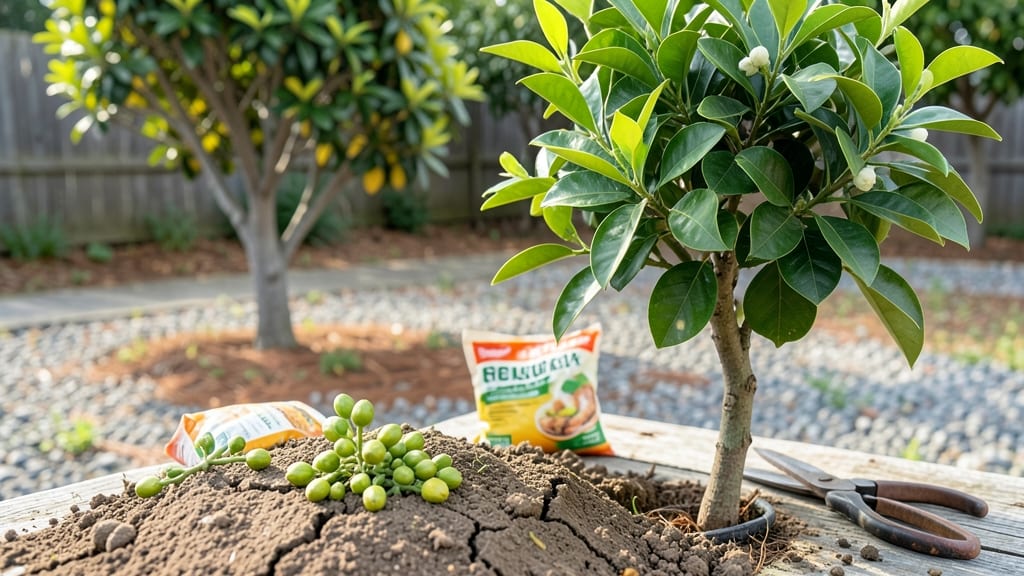
Your lime tree isn’t flowering because it’s stuck in survival mode—not growth mode. 🌿 After years of struggling with my Meyer lime’s stubborn refusal to bloom, I discovered that three simple cuts (plus a few tweaks) can trigger the exact conditions these trees need to produce those fragrant white flowers and sweet fruit.
The secret isn’t complicated—it’s about light, energy, and timing.
Most lime trees skip flowering when they’re overcrowded, underfed, or stressed by inconsistent watering. My tree went from bare branches to a burst of blossoms within 8 weeks after I pruned aggressively in early spring, adjusted its fertilizer routine, and moved it into full sun.
The key? Cutting back one-third of the oldest growth forces new, vigorous branches that will flower—if the rest of the conditions are right.
You’ll see buds forming within 4-6 weeks of proper care, and those first flowers mean a harvest of limes 6-8 months later. The best part?
These tricks work for Meyer limes, Persian limes, and even dwarf varieties. No fancy equipment or expensive treatments—just sharp pruners, patience, and a little extra sunlight.
Fair warning: If your tree is young (3-5 years old), it might still be maturing and won’t flower yet—even with perfect care. But if yours is older and healthy, these steps will wake it up. Let’s get those branches blooming!
Root Causes of Missing Blooms
Lime trees (Citrus aurantiifolia or Citrus × latifolia) are prized for their fragrant flowers and zesty fruit—but when those blossoms fail to appear, it’s often due to a mix of environmental, biological, or cultural factors.
Understanding the why behind your lime tree’s lack of flowers is the first step toward revival. Below, we break down the most common culprits, complete with science-backed explanations and actionable insights.
Lime trees are light-hungry and require 6–8+ hours of direct sunlight daily to trigger flowering. When deprived of adequate light, they shift energy into leaf growth instead of reproductive blooms.
Why it happens:
- Photosynthesis slowdown: Light is the catalyst for chlorophyll production, which fuels energy reserves needed for flowering. Weak light = fewer carbohydrates stored in roots and stems.
- Day-length sensitivity: Many citrus varieties (including lime) are short-day plants, meaning they need a balance of light and darkness to initiate blooms. Too much shade disrupts this cycle.
- Seasonal shifts: Young trees or those planted in late spring/summer may not get enough light to "wake up" their flowering hormones (like florigen, a protein that signals bloom time).
Actionable fix:
- Move potted lime trees to a sunnier spot (south or west-facing is ideal).
- Prune overhanging branches or nearby structures blocking sunlight.
- For container growers: Use grow lights (12–14 hours/day) in winter if natural light is scarce.
Lime trees thrive in USDA Zones 9–11 and are sensitive to cold snaps. Even mild frost or inconsistent temperatures can shock the tree into a dormant state, delaying—or halting—flowering entirely.
Why it happens:
- Chilling injury: Temperatures below 50°F (10°C) at night can disrupt hormonal pathways (like ethylene and gibberellins) that regulate flowering.
- False dormancy: Sudden cold followed by warm spells confuses the tree, causing it to pause bloom development until conditions stabilize.
- Root zone stress: Cold soil (below 60°F/15°C) restricts nutrient uptake, starving the tree of the phosphorus and potassium needed for flower buds.
Actionable fix:
- Mulch heavily (3–4 inches of organic mulch) to insulate roots in winter.
- Use frost cloth on young trees or potted limes during unexpected cold snaps.
- Avoid planting in low-lying areas where cold air pools.
Water stress—whether drought or overwatering—throws off a lime tree’s flowering cycle by disrupting hormonal balance and root activity.
Why it happens:
- Underwatering:
- Root shrinkage: Drought-stressed roots can’t absorb enough water, leading to abscisic acid buildup—a hormone that inhibits flowering.
- Bud abortion: Flower buds are highly sensitive to moisture levels; even brief drought can cause them to drop before opening.
- Overwatering:
- Root rot: Phytophthora and other pathogens thrive in soggy soil, blocking nutrient transport (especially calcium and boron, critical for blooms).
- Oxygen deprivation: Waterlogged roots suffocate, reducing ethylene production—a key hormone for flower initiation.
Actionable fix:
- Water deeply but infrequently: Aim for 1–1.5 inches per week (more in extreme heat).
- Check soil moisture: Stick your finger 3 inches deep—if dry, water; if muddy, hold off.
- Improve drainage: Amend clay soil with perlite or sand, or plant in well-draining raised beds.
Lime trees need specific nutrients in the right ratios to flower. Deficiencies or excesses can stall bloom production.
Why it happens:
| Nutrient Deficiency | Symptom | Impact on Flowering |
|---|---|---|
| Nitrogen (N) | Yellow lower leaves | Too much N = leafy growth, no flowers; too little = weak energy reserves. |
| Phosphorus (P) | Dark green/purple stems | Critical for flower bud formation; deficiency = no blooms. |
| Potassium (K) | Yellow leaf edges | Regulates enzyme activity needed for bloom development. |
| Calcium (Ca) | Blossom end rot (in fruit) | Cell wall integrity fails, causing buds to drop. |
| Boron (B) | Thick, cracked stems | Pollination issues; boron helps transport sugars to flowers. |
Actionable fix:
- Test your soil (use a citrus-specific kit or send to a lab).
- Apply a balanced fertilizer (e.g., 10-10-10) in early spring, then switch to a low-N, high-P/K formula (e.g., 5-10-10) when buds form.
- Use micronutrient sprays (like boron or zinc) if deficiency symptoms appear.
Young lime trees (under 3–5 years) often focus on root and canopy growth before flowering. Even mature trees may skip blooms due to stress or improper care.
Why it happens:
- Juvenile phase: Like many citrus, limes enter a non-flowering stage until they reach a critical size (usually 5–6 feet tall).
- Pruning mistakes: Over-pruning removes flowering wood (old wood blooms best!), while under-pruning leads to a dense, shaded canopy that blocks light.
- Root-bound stress: Potted limes with circumferential roots (roots growing in circles) can’t absorb enough nutrients, delaying maturity.
Actionable fix:
- Be patient with young trees—provide optimal care (light, water, nutrients) to speed up maturity.
- Prune strategically: Remove only dead/diseased wood in winter; avoid heavy cuts that reduce flowering potential.
- Repot root-bound trees into larger containers or transplant outdoors if space allows.
Hidden pests and pathogens drain the tree’s resources, leaving little energy for flowers.
Why it happens:
- Sap-sucking insects (e.g., scale, aphids, citrus leaf miners) reduce photosynthesis by damaging leaves.
- Fungal infections (like citrus greening or anthracnose) block nutrient transport, causing bud drop.
- Root-knot nematodes damage roots, limiting water/nutrient uptake.
Actionable fix:
- Inspect leaves regularly for sticky residue (honeydew), holes, or discoloration.
- Spray neem oil (monthly in spring/summer) to deter pests.
- Apply systemic fungicides (e.g., copper-based sprays) if fungal diseases are suspected.
Sometimes, the tree itself turns off flowering due to internal signals.
Why it happens:
- Excess gibberellins: These growth hormones promote stem elongation but inhibit flowering. Over-fertilizing with high-nitrogen products can trigger this.
- Ethylene blockage: This hormone promotes flowering but is often suppressed by stress (drought, cold, or poor soil).
- Alternate bearing: Some lime varieties flower heavily one year, then skip the next as a survival mechanism.
Actionable fix:
- Avoid high-N fertilizers once buds form; switch to phosphorus-rich formulas.
- Use ethylene-releasing sprays (like ethephon) in late summer to encourage blooming (consult a citrus specialist first).
- Thin fruit after flowering to reduce stress on the tree for next year’s blooms.
Pro Tip: 💡 Keep a garden journal to track light, water, and fertilizer changes—this helps pinpoint exactly when (and why) your lime tree stops flowering!
Reviving Your Lime Tree’s Blooms
If your lime tree is sitting pretty but refusing to flower, don’t panic! With the right adjustments, you can coax those fragrant blossoms back into action.
Below, we’ve mapped out practical solutions based on the most common causes—plus tips to keep your tree thriving long-term. Let’s get those flowers blooming! 🌸🔪
Lime trees (especially Citrus aurantifolia or Citrus latifolia) need warm, stable conditions to flower. If your tree is struggling with cold snaps, heatwaves, or erratic seasons, it may be holding back blooms.
How to Adjust: ✅ 🌡️ Optimize Temperature Zones
- Move potted lime trees indoors (or to a greenhouse) if nighttime temps drop below 40°F (4°C).
- If outdoors, use frost cloths or row covers in winter to shield tender varieties.
- Pro Tip: 💡 Lime trees thrive in USDA Zones 9–11.
If you’re in a cooler zone, grow them in containers for mobility.
✅ 🌞 Ensure Full Sun Exposure
- Lime trees need 6–8 hours of direct sunlight daily to trigger flowering.
- If your tree is shaded (e.g., by taller plants or buildings), trim nearby foliage or relocate it to a sunnier spot.
- Warning: ⚠️ Avoid intense afternoon sun in hot climates—use light shade cloth to prevent leaf scorch.
✅ 🌱 Time Your Planting Right
- Plant lime trees after the last frost in spring (Zone 9+) or in late winter in warmer climates.
- Avoid transplant shock: If repotting, do it in early spring before new growth starts.
Overwatering or poor drainage can stress your lime tree, diverting energy away from flowering. Similarly, drought or nutrient deficiencies send mixed signals to the tree.
How to Balance It: ✅ 💧 Master the Watering Routine
Water deeply but infrequently—lime trees hate soggy roots.
Let the top 2–3 inches of soil dry out between waterings. - Test drainage: If water pools in the saucer or pot, add perlite or sand to improve aeration. - Mulch properly: Apply 2–3 inches of organic mulch (like wood chips) to retain moisture and regulate soil temp.
✅ 🌱 Feed for Flowering Success - Use a balanced citrus fertilizer (e.g., 6-6-6 or 8-3-9) every 4–6 weeks in spring/summer. - Boost phosphorus (the middle number) to encourage blooms—try a bloom-specific fertilizer like 10-30-20. - Avoid over-fertilizing: Too much nitrogen = leafy growth, no flowers.
Follow label instructions!
✅ 🔄 Refresh the Soil
- If your tree isn’t flowering after a year, it may need fresher, well-draining soil.
- Mix in compost or aged manure for nutrients, or repot into a citrus-specific potting mix.
Poor pruning habits (or none at all) can confuse your lime tree, preventing it from directing energy toward flowers. Overgrowth, dead wood, or improper cuts may also block sunlight or air circulation.
How to Prune for Blooms:
✅ 🔪 Prune at the Right Time
- Best time: Late winter or early spring (just before new growth).
- Avoid summer pruning—it stresses the tree and can reduce flowering.
✅ 🌿 Target Problem Areas
- Remove dead/diseased branches (cut back to healthy wood).
- Thin out crowded branches to improve airflow (aim for an open, vase-like shape).
- Trim suckers (shoots growing from the base or trunk)—these drain energy.
✅ 🎯 Encourage Flowering with Strategic Cuts
- Shorten overlong branches by 1/3 to stimulate bushier growth (which often leads to more flowers).
- Avoid heavy pruning—lime trees flower on new wood, so light, shaping cuts work best.
Pests like aphids, scale insects, or spider mites sap your tree’s energy, while diseases (e.g., root rot, citrus canker) weaken it. A stressed tree = no flowers.
How to Protect Your Tree:
✅ 🐜 Inspect & Treat Pests Early
- Check leaves/stems weekly for sticky residue (aphids), white cottony patches (scale), or webbing (spider mites).
- Spray with neem oil (1 tsp per gallon of water) or insecticidal soap for mild infestations.
- Introduce beneficial insects like ladybugs or lacewings for natural control.
✅ 🌱 Prevent Fungal Diseases
- Water at the base (avoid wetting leaves) to prevent citrus canker or anthracnose.
- Remove fallen leaves/debris to reduce fungal spores.
- Use copper fungicide if you spot dark lesions on leaves.
💡 🌡️ Shock It into Flowering: Some growers reduce water slightly in late summer to stress the tree—this can trigger early blooms (but don’t overdo it!). 💡 🍊 Hand-Pollinate: If your tree has flowers but no fruit, use a small brush to transfer pollen between blossoms (especially helpful in low-wind areas). 💡 🌱 Try a Different Variety: Some lime trees (like ‘Mexican Lime’) flower more reliably than others.
If all else fails, consider grafting a more prolific type onto your tree.
With these fixes, your lime tree should start showing signs of life—buds, blossoms, and eventually, those tangy, juicy limes! 🍋✨ Remember, patience is key; citrus trees can take 1–3 years to fully recover from stress. Keep an eye on your tree’s progress and adjust as needed.
Frequently asked questions
How long does it take for a lime tree to flower after pruning?
With proper pruning and care, you may see flower buds forming within 4-6 weeks. Full blooms typically appear 6-8 weeks after pruning, especially if you've addressed light, water, and nutrient needs. The key is cutting back one-third of the oldest growth in late winter/early spring to stimulate new, flowering branches.
Can I force my lime tree to flower faster?
While you can't rush the natural process, you can encourage faster blooming by creating stress in late summer (like slightly reducing water) or applying a phosphorus-rich fertilizer (like 10-30-20). However, avoid over-stressing the tree—focus on providing 6+ hours of sunlight and consistent care first. Most citrus trees need 2-3 years of optimal conditions before flowering reliably.
Why does my young lime tree (under 3 years) have no flowers?
Young lime trees focus energy on root and canopy growth before flowering. Most citrus varieties don't produce flowers until they reach 5-6 feet tall and have a mature root system. Provide optimal care (light, water, nutrients) to accelerate maturity—flowering may begin as early as 3-5 years with proper conditions.
What's the best fertilizer ratio for flowering lime trees?
Use a balanced citrus fertilizer (6-6-6 or 8-3-9) in spring/summer, then switch to a low-nitrogen, high-phosphorus formula (like 5-10-10 or 10-30-20) when buds appear. Too much nitrogen promotes leafy growth but inhibits flowering. Apply fertilizer every 4-6 weeks during growing season, following package instructions.
Can I grow a flowering lime tree in a container?
Yes! Container-grown lime trees can flower beautifully if given proper care. Use a large pot (at least 15 gallons) with drainage holes and citrus-specific potting mix. Move containers to full sun (6+ hours daily) and ensure they get consistent watering—container soil dries out faster than ground soil. Repot every 2-3 years to prevent root-bound stress.