
Pruning
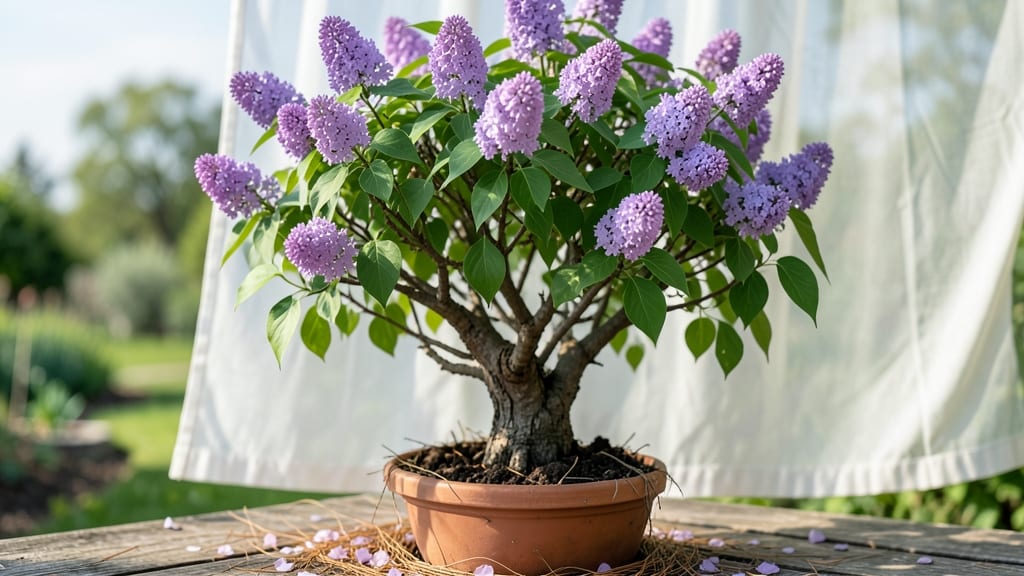
A lilac tree in a pot can fill your patio with intoxicating spring fragrance—if you prune it right. 🌸 I learned the hard way that container lilacs need different care than their in-ground cousins, especially when it comes to shaping and seasonal adjustments.
The secret isn’t just cutting back—it’s understanding how their roots behave in pots and when to push new growth for that signature perfume.
Start with a 15-20 gallon container (minimum) and well-draining soil mix—lilacs hate soggy roots. Place it where it gets 6+ hours of sunlight daily, and water only when the top 2 inches of soil feel dry.
The real magic happens in late winter when you prune to encourage fresh, fragrant blooms. I’ve seen potted lilacs produce twice as many flowers after just one proper pruning session.
By summer, your tree will reward you with clusters of blooms that smell like childhood memories. The key is light pruning after flowering to maintain shape, and protecting the pot with burlap in winter if temps drop below 20°F.
Root-bound issues? Gently loosen roots every 2-3 years—it’s the only way to keep them blooming for decades.
This method works for Syringa vulgaris (common lilac) and dwarf varieties like ‘Little Lila.’ Just remember: potted lilacs need more frequent pruning than in-ground ones, and their fragrance lasts longer when you keep them slightly root-bound. Let’s get yours smelling like spring all year.
📚 In This Guide
- What you need
- Instructions
- Tips and common mistakes
- Wrapping up and next steps
What you need
- ● Lilac tree (Prunus spp.) – Choose a dwarf variety (e.g., 'Miss Kim' or 'Minnesota Snowflake') or a young sapling (3–5 feet tall) for pots.
- ● Large, weather-resistant pot – Minimum 18–24 inches in diameter with drainage holes. Terracotta or fiberglass works best.
- ● High-quality potting mix – A blend of 50% well-draining soil (e.g., cactus/succulent mix) and 50% organic matter (compost or peat moss).
- ● Slow-release fertilizer – 10-10-10 or 20-20-20 NPK ratio (follow package instructions for dosage).
- ● Mulch – 2–3 inches of pine bark or shredded leaves to retain moisture and regulate temperature.
- ● Pruning shears – Bypass pruners (sharp, clean, and sterilized with rubbing alcohol to prevent disease).
- ● Trowel or small shovel – For digging and repotting.
- ● Gloves – Garden gloves to protect hands from thorns and soil.
- ● Watering can or hose with a gentle nozzle – Avoid overwatering!
- ○ Support stake (optional) – 3–4 feet tall for young trees to prevent toppling in wind.
- ● Sunlight access – 6+ hours of full sun daily (lilacs thrive in bright light!).
- ● Drainage plan – Ensure your pot sits on a tray or saucer to catch excess water.
- ● Seasonal timing – Plant in early spring or fall (avoid extreme heat or frost).
- ● Cold-hardiness prep (for zones 3–7) – Move pots to a sheltered, unheated garage or wrap in burlap for winter.
Instructions for growing a lilac tree in a pot
Here’s how to keep your lilac thriving in containers with minimal fuss.
🪴 Step 1: Select the Right Container and Soil
Choose a large, sturdy pot with drainage holes—at least 18 inches deep and 24 inches wide to accommodate the lilac’s expansive root system. Lilacs prefer well-draining, slightly alkaline soil (pH 6.5-7.5), so mix equal parts potting soil, perlite, and compost for aeration and nutrients. Avoid garden soil—it compacts and suffocates roots.
Place a 2-inch layer of gravel or broken pottery at the bottom for drainage. This prevents waterlogging, which lilacs hate. If your pot lacks drainage, drill holes yourself—just don’t skip this step, or root rot will kill your plant in weeks.
🌱 Step 2: Plant at the Right Time and Depth
Plant your lilac in early spring, just as new growth begins. Dig a hole twice as wide as the root ball but no deeper—lilacs resent being buried too deeply. Gently loosen the roots if they’re circling, then place the plant so the top of the root ball sits level with the soil surface (never mound soil over the trunk).
Backfill with your soil mix, pressing lightly to remove air pockets. Water deeply until it drains from the bottom. Lilacs need consistent moisture but despise soggy soil—wait until the top 2 inches feel dry before watering again. Mulch with 2 inches of bark or wood chips to retain moisture and regulate soil temperature.
☀️ Step 3: Position for Sunlight and Airflow
Lilacs crave full sun (6+ hours daily), but they’ll tolerate morning sun with afternoon shade in hot climates. Place your pot where it gets bright, indirect light if your space lacks direct sun—just expect fewer blooms. Avoid cramped corners; lilacs need good airflow to prevent fungal diseases like powdery mildew.
Rotate the pot quarter-turn weekly so the plant grows evenly. You’ll notice one side leaning toward the light? That’s your cue to move it. In winter, protect young lilacs from frost by moving them to a sheltered spot or wrapping the pot in burlap. Established plants handle cold better but still appreciate a little winter shelter.
✂️ Step 4: Prune Strategically for Year-Round Blooms
Prune lilacs right after flowering (late spring) to encourage next year’s blooms. Cut back dead or crossing branches first, then shape the plant by trimming one-third of the oldest wood to the base. This rejuvenates the shrub and prevents a woody, overgrown look. Never prune in fall—you’ll remove next year’s flower buds.
For container-grown lilacs, light pruning in early summer (after the first flush of blooms) keeps the plant compact. Remove only the longest, leggy stems—this prevents the plant from becoming top-heavy. Wear gloves; lilac leaves can irritate skin. After pruning, fertilize with a balanced, slow-release fertilizer to support new growth.
💧 Step 5: Water and Fertilize for Long-Term Health
Water deeply once a week (or more in extreme heat), ensuring the entire root zone stays moist but not waterlogged. Container-grown lilacs dry out faster than in-ground plants—check soil moisture by sticking your finger 2 inches deep. If it’s dry, water thoroughly until it runs from the drainage holes.
Fertilize twice a year: once in early spring with a 10-10-10 formula and again after pruning in late spring. Avoid high-nitrogen fertilizers—they promote leafy growth at the expense of flowers. In fall, apply a low-nitrogen, high-phosphorus fertilizer to strengthen roots for winter. Over-fertilizing leads to weak stems and fewer blooms, so follow the package rates precisely.
Tips & tricks for perfect lilac tree care in pots
Here's what nobody tells you about keeping container lilacs thriving—and how to avoid the most common pitfalls.
Container Size Matters: The 18-inch depth and 24-inch width requirements aren't arbitrary—they accommodate lilacs' aggressive root systems. I've seen too many gardeners skimp on pot size, only to watch their lilac's growth stunted by crowded roots. If you're working with a smaller pot, consider planting a dwarf variety like 'Minnesota Snowflake'—it handles containers better but still needs proper drainage. Remember, lilacs hate having their roots bound.
Soil Science: That pH 6.5-7.5 range isn't just a suggestion—lilacs are particular about their soil chemistry. If your tap water is alkaline (which most is), you'll need to adjust your soil mix. Add a handful of sulfur to your potting soil blend to help maintain the proper pH. Also, never use garden soil—it compacts and suffocates those delicate roots. The equal parts potting soil, perlite, and compost mix creates the perfect air-to-moisture balance that lilacs crave.
Pruning Precision: When you trim that one-third of oldest wood in Step 4, you're not just shaping the plant—you're creating next year's blooms. I learned this the hard way after pruning too aggressively in fall and getting almost no flowers the following spring. Always prune right after flowering, and never cut into old wood that's already produced blooms. For container lilacs, that light summer pruning is crucial—it prevents the plant from becoming top-heavy and potentially tipping over in windy conditions.
Winter Protection: The burlap wrapping mentioned for young lilacs isn't just about frost protection—it's about preventing temperature fluctuations that can stress the plant. In my experience, lilacs in containers are more vulnerable to winter damage than in-ground plants. If you're in a particularly cold climate, consider moving your pot to a sheltered location like against a south-facing wall. Just make sure the spot still gets some winter sun—lilacs need light even in colder months to stay healthy.
Pro Tips for Lilac Tree In Pot
- Here's what nobody tells you about keeping container lilacs thriving—and how to avoid the most common pitfalls.
- Container Size Matters: The 18-inch depth and 24-inch width requirements aren't arbitrary—they accommodate lilacs' aggressive root systems.
- Soil Science: That pH 6.5-7.5 range isn't just a suggestion—lilacs are particular about their soil chemistry.
Frequently asked questions
Got questions about growing and maintaining a lilac tree in a pot? You’re not alone! Here are some of the most common concerns—plus expert tips to keep your fragrant beauty thriving.
Can a lilac tree grow well in a pot long-term?
A lilac tree can thrive in a pot for years, but it needs the right conditions. Choose a large, durable container (at least 18–24 inches wide) with drainage holes and high-quality potting mix. However, lilacs are deep-rooted—expect slower growth and eventual repotting every 3–5 years. Pro tip: Use a self-watering pot to prevent root stress!
When is the best time to prune a potted lilac?
Prune your lilac right after flowering (late spring to early summer) to encourage next year’s blooms. Avoid heavy cuts—stick to shaping and removing dead or crossing branches. For container lilacs, light pruning in late winter (before buds swell) can also help manage size. Warning: Never prune in fall—it removes next year’s flower buds!
How often should I water a lilac in a pot?
Potted lilacs dry out faster than in-ground trees. Water deeply when the top 2 inches of soil feel dry (usually 1–2 times per week, more in heat). Overwatering is risky—ensure excess water drains away to prevent root rot. Pro tip: Mulch the soil surface with wood chips to retain moisture and regulate temperature.
Why isn’t my potted lilac blooming?
Lilacs need full sun (6+ hours daily) and proper pruning timing to bloom. Other culprits:
- Too-small pots (roots get crowded)
- Over-fertilizing (focus on balanced, slow-release fertilizer)
- Dormant pruning (cutting in fall/winter)
What’s a good alternative if my lilac struggles in a pot?
If your lilac’s pot life is short, try these fragrant, container-friendly alternatives:
- Dwarf lilac varieties (e.g., ‘Miss Kim’ or ‘Lilac Beauty’—compact and prolific bloomers)
- Mock orange (Philadelphus) (similar scent, more adaptable to pots)
- Japanese tree lilac (Syringa reticulata) (hardier, tolerates smaller containers)
- Lavender or jasmine shrubs (fragrant but low-maintenance for pots)
Wrapping up and next steps
Growing a lilac tree in a pot isn’t just about enjoying its stunning blooms—it’s about embracing a fragrant, low-maintenance companion that thrives with the right care.
With strategic pruning, proper spacing, and a dash of seasonal attention, your potted lilac can reward you with year-round beauty and intoxicating scent. 🌸
Ready to take the next step? Start by observing your tree’s growth and adjusting your pruning schedule—whether it’s shaping it for winter or encouraging fresh spring blooms. Your lilac’s fragrance is just a trim away!