
Pruning
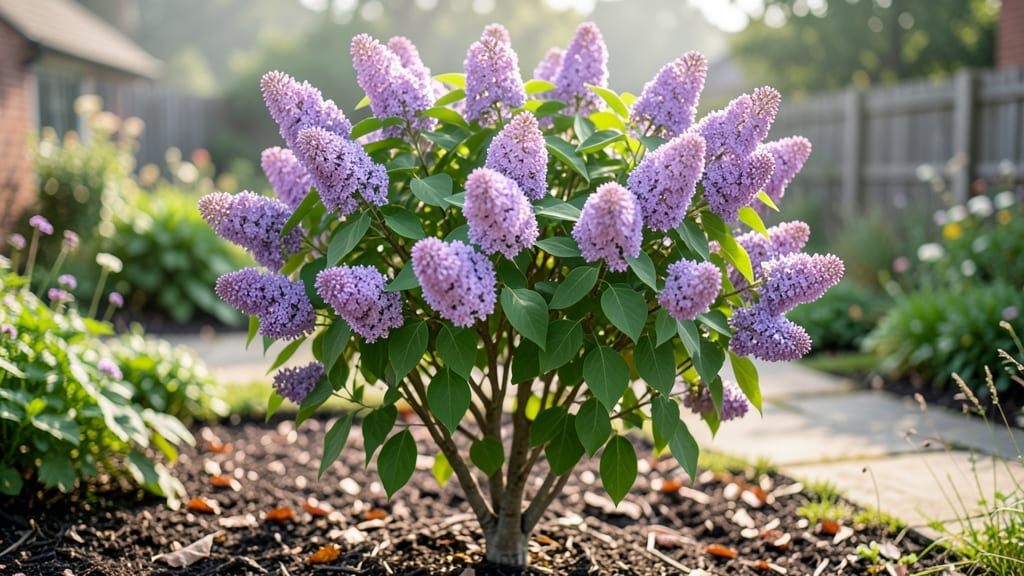
Your Colorado lilac tree’s springtime perfume starts with a sharp pair of pruners and late winter’s quiet. ✂️ I’ve watched lilacs in Denver transform from bare branches to fragrant clouds by mastering the dormant-season cut—when most gardeners make the costly mistake of pruning too early or too late.
The key? Timing it right to balance next year’s blooms against this year’s strength, while accounting for Colorado’s unpredictable frost dates.
The right varieties make all the difference here. Hardy French hybrids like ‘Duchesse de Nemours’ thrive in our high-altitude zones, while ‘Katherine Havemeyer’ handles our dry spells better than common English lilacs.
Plant them where they get full sun and well-draining soil—no soggy roots in our clay-heavy mountain soil. Once established, they’ll reward you with 3-4 weeks of fragrance that outshines any store-bought bouquet.
When you prune at the right moment—just as buds begin to swell but before new growth starts—you’re not just shaping the tree. You’re training it to produce denser, more vibrant blooms that withstand our sudden spring hailstorms.
The secret’s in the cuts: remove no more than 1/3 of the plant at a time, and always cut just above an outward-facing bud to encourage fuller growth.
Colorado’s elevations and temperature swings demand extra attention. Mulch heavily to protect roots from freeze-thaw cycles, and water deeply but infrequently once established—these trees hate wet feet. With the right cuts and care, your lilac will become the fragrant centerpiece of your mountain garden, year after year.
📚 In This Guide
- What you need
- Instructions
- Tips and common mistakes
- Wrapping up and next steps
What you need
- ○ Pruning shears: Bypass pruners (sharp, 6–8-inch blades) for clean cuts on small branches. Optional: Loppers (for thicker branches, 18–24-inch handles).
- ● Hand pruners: Anvil-style (for stubborn, woody stems—use sparingly to avoid crushing).
- ● Saw: Pruning saw (for branches thicker than 2 inches; blank">bow or folding saw recommended).
- ● Gloves: Heavy-duty, cut-resistant (e.g., blank">mechanics’ gloves or blank">gardening gloves with reinforced palms).
- ● Disinfectant: 70% isopropyl alcohol or blank">horticultural spray (to sterilize tools between cuts and prevent disease).
- ○ Pruning sealant: Optional but helpful for large cuts (e.g., blank">tree wound paint or blank">beeswax-based sealant).
- ● Ladder: Sturdy, extendable (8–12 ft, aluminum or fiberglass for safety). Pro tip: Use a blank">harness if working above 6 ft!
- ● Trash bags: Heavy-duty, 30-gallon (for debris; blank">compostable if you’re eco-conscious).
- ○ Marking twine or flags: Optional (to tag branches for removal if planning a phased prune).
- ● Weather check: Choose a dry, calm day (avoid wind or rain; Colorado’s blank">mountain microclimates can shift fast!).
- ● Safety glasses: ANSI-rated (to protect from debris).
- ● Long sleeves/pants: Lightweight, breathable fabric (lilac thorns are no joke!).
- ● First-aid kit: Basic (bandages, antiseptic wipes, tweezers for splinters).
- ● Water & snacks: Hydration pack or bottle (pruning is harder work than it looks!).
- ○ Tree ID guide: Optional but smart (e.g., blank">Colorado State Extension’s lilac care guide to confirm you’re pruning the right species).
Step-by-Step guide to pruning lilacs in Colorado’s dormant season
Here’s how to prepare your lilac for mountain blooms—timing and technique matter most.
✂️ Step 1: Time Your Cuts for Late Winter Dormancy
Prune lilacs in late winter, ideally between mid-February and early March in Colorado’s climate. This timing ensures you cut back before buds swell but after the worst winter cold passes. I wait until after the last hard freeze—your lilac’s buds need to survive one more cold snap, but you don’t want to prune when new growth is already starting.
Check the buds closely: they should still look tight and dormant, not swollen or green. If you see any green tips, wait a week. Pruning too early can stimulate growth that won’t survive late frosts, while waiting too long risks cutting off next year’s blooms.
✂️ Step 2: Remove Dead, Weak, or Crossing Branches First
Start by eliminating dead, diseased, or weak branches—these are easy to spot as they’re brown, brittle, or lack leaves. Cut these back to the main stem or trunk, making clean cuts at a 45-degree angle just above a healthy bud or branch collar. This prevents water from pooling and rotting the wound.
Next, remove any branches that cross or rub against each other—these create entry points for pests and diseases. I also look for branches growing straight upward (called "watersprouts") and cut them out completely. These vertical shoots steal energy from the main structure and rarely produce flowers.
✂️ Step 3: Thin Out Overcrowded Branches for Better Airflow
Lilacs bloom best when they have good airflow and sunlight penetration. Thin out crowded branches by selecting 3-5 of the strongest, most outward-facing stems to keep. Remove any branches that grow inward or are shaded by others—these rarely bloom well and can harbor fungal issues.
Make your cuts at the branch collar (the swollen area where the branch meets the trunk) to encourage faster healing. Avoid leaving stubs, as these can rot. Step back frequently to visualize the shape—your goal is an open, vase-like structure that lets light reach the center.
✂️ Step 4: Shape the Tree for Mountain-Ready Blooms
Now’s the time to refine the tree’s shape while encouraging future blooms. Lilacs flower on old wood, so avoid heavy pruning of established branches—focus on light shaping. Trim back any overly long branches by one-third to open up the center and improve airflow.
For a more formal look, I prune the outer branches slightly shorter than the inner ones. This creates a natural tiered effect that’s both attractive and functional. Avoid cutting into the old wood of mature branches—this removes next year’s flower buds. Instead, trim just the tips of new growth.
⏰ Step 5: Clean Up and Prepare for Spring Growth
After pruning, remove all debris from the base of the tree and surrounding area. This prevents pests and diseases from overwintering. I also apply a layer of mulch (2-3 inches thick) around the base, keeping it 6 inches away from the trunk to prevent rot.
Water the tree deeply once after pruning to help it recover. Avoid fertilizing now—lilacs don’t need it in late winter. Instead, wait until early spring when new growth appears. This ensures your tree focuses on healing its pruning wounds before pushing new leaves.
Tips & tricks for pruning lilacs in Colorado's dormant season
These professional insights will help you achieve the perfect balance between shaping and preserving your lilac's future blooms.
Timing is Everything: Colorado's late winter weather can be unpredictable, so I recommend monitoring your local forecast closely. If you're unsure about the last hard freeze date, check with your local Cooperative Extension office—they track microclimates and can provide precise timing for your specific elevation. Remember, the goal is to prune when buds are still tight but after the worst cold has passed. This window is typically between mid-February and early March, but can shift slightly depending on your exact location in the state.
The 45-Degree Angle Secret: When making your cuts in Step 2, visualize a small slice of pizza—your cut should mimic that angle. This technique prevents water from pooling in the wound, which is crucial for preventing rot. I've seen many gardeners make flat cuts that collect moisture, leading to fungal infections. The branch collar (that swollen area where the branch meets the trunk) should be your guide—make your cut just above it to encourage faster healing and proper growth patterns.
Visualizing the Vase Shape: In Step 3, when thinning branches, step back frequently to visualize your tree's structure. Imagine an open vase—you want the center to be more open than the outer edges. This creates better airflow and sunlight penetration, which are essential for healthy blooms. I often sketch a rough outline on paper first to plan where to make cuts. This prevents over-thinning and helps maintain the tree's natural shape while still achieving that open, airy structure.
Mulching Matters: After pruning, the 2-3 inch layer of mulch around your tree's base serves multiple purposes. It regulates soil temperature, conserves moisture, and prevents weed competition. However, the key detail is keeping it 6 inches away from the trunk—this prevents rot and pest issues. I use shredded bark mulch because it breaks down slowly and improves soil structure over time. This step is often overlooked but makes a significant difference in your tree's recovery and long-term health.
Pro Tips for Lilac Tree Colorado
- These professional insights will help you achieve the perfect balance between shaping and preserving your lilac's future blooms.
- Timing is Everything: Colorado's late winter weather can be unpredictable, so I recommend monitoring your local forecast closely.
- The 45-Degree Angle Secret: When making your cuts in Step 2, visualize a small slice of pizza—your cut should mimic that angle.
Frequently asked questions
When is the best time to prune lilac trees in Colorado’s dormant season?
The ideal window is late winter to early spring (February–March), before buds swell but before new growth starts. Colorado’s mountain climate means pruning too early (like January) risks cold damage, while waiting too long (April+) may reduce next year’s flowers. Aim for after the worst winter chill but before sap rises!
How do I know if my lilac tree is truly dormant before pruning?
Look for these signs:
- No green buds—only brown, leafless stems.
- Firm, not mushy—squeeze a branch; it should feel dry and brittle.
- Ground isn’t thawing—avoid pruning if snow melts only to refreeze.
Should I cut back old wood or just shape the tree?
For healthy blooms, prune both:
- Dead/weak wood—Cut to the base if branches are hollow or cracked.
- Old growth—Trim 1/3 of the oldest stems (usually 3–5 years old) to encourage new, flower-rich branches.
- Shape lightly—Remove crossing branches or suckers at the base.
What if my lilac tree isn’t blooming after pruning?
Common causes and fixes:
- Pruned too late—Next year’s buds form in summer/fall. Wait until after blooming to prune lightly for shape.
- Over-pruned—Lilacs bloom on old wood. Never cut more than 1/3 of the oldest stems.
- Poor soil/nutrients—Test soil pH (ideal: 6.0–7.0) and amend with compost. Fertilize in early spring with a balanced 10-10-10.
- Pests/disease—Check for borers or fungal spots. Prune infected branches immediately and sterilize tools.
Are there Colorado-friendly lilac alternatives if mine struggles?
Yes! Try these mountain-adapted options:
- Siberian Lilac (Syringa meyeri)
- Dwarf Korean Lilac (Syringa meyeri ‘Palibin’)
- Rocky Mountain Lilac (Ceanothus)
- Mountain Laurel (Kalmia latifolia)
Wrapping up and next steps
Pruning your lilac tree in Colorado’s dormant season is the secret to vibrant, mountain-ready blooms next spring! 🌸 By following the right techniques—like cutting back old wood and avoiding over-pruning—you’ll encourage healthier growth and stunning fragrance.
Now that you’re armed with the know-how, grab your shears and give your lilac the TLC it deserves.
Ready to transform your yard? Start with one branch at a time and enjoy the process—your future blooms will thank you!