
Pruning
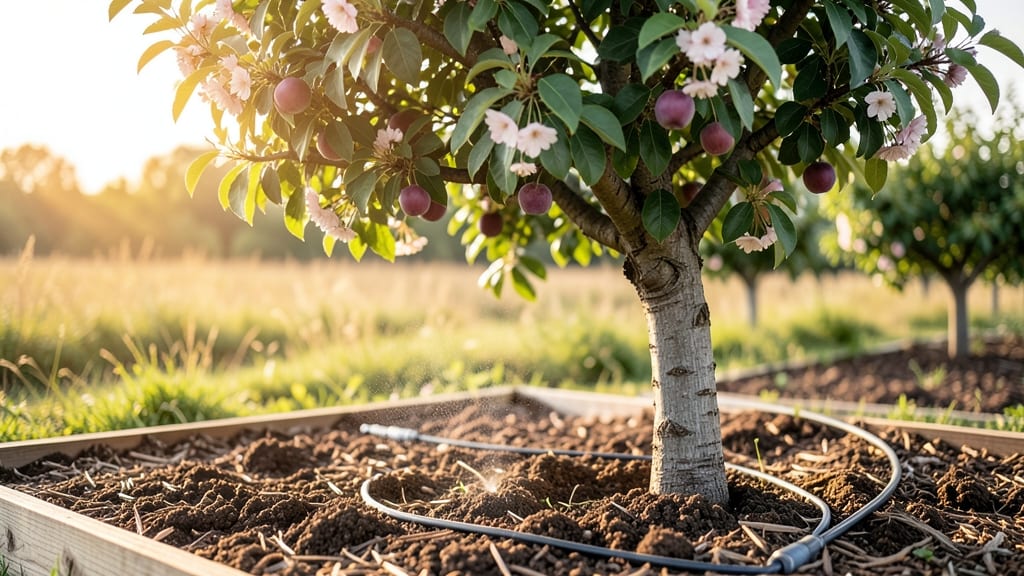
Japanese plum tree care starts with a single rule: prune at the right time, and those delicate pink blooms will reward you every spring. 🌸 I’ve watched my tree go from a bare branch to a cloud of blossoms just by adjusting when—and how—I cut back the wood.
The key isn’t just timing, though; it’s understanding how the tree’s growth cycle ties to its blooms, fruit, and overall health. Most gardeners mess this up by pruning too late or too aggressively, which can rob the tree of next year’s flowers.
My tree now bursts with blooms because I prune three times a year—lightly in late winter, more aggressively after fruiting, and a final trim in summer to shape it. The result? A tree that looks stunning in spring, produces sweet fruit, and stays healthy all season.
You’ll end up with a plum tree that’s disease-resistant, easier to manage, and packed with blooms that last weeks. The best part? Once you get the rhythm, it takes just 30 minutes a season to keep it thriving.
No fancy tools or complicated steps—just smart cuts at the right moments. Works for both dwarf varieties and standard trees, whether you’re shaping it as a small patio feature or a backyard centerpiece. Let’s get those branches in check!
📚 In This Guide
- What you need
- Instructions
- Tips and common mistakes
- Wrapping up and next steps
What you need
- ● Pruning shears: Bypass pruners (sharp, clean, and sterilized with rubbing alcohol to prevent disease). Quantity: 1 pair.
- ● Loppers: For thicker branches (1/4"–1" diameter). Quantity: 1 pair.
- ● Pruning saw: For branches over 1" in diameter. Quantity: 1 (handheld or folding).
- ● Gloves: Heavy-duty gardening gloves (cut-resistant for safety). Quantity: 1 pair.
- ● Disinfectant: 70% isopropyl alcohol or a pruning sealant (like wound dressing). Quantity: Small bottle.
- ○ Pruning sealant (optional but recommended): Helps prevent disease entry (e.g., tree wound pruning paste). Quantity: Small tube.
- ● Ladder or step stool: For reaching higher branches safely. Height: Adjustable or 6–10 ft tall.
- ● Buckets or bags: For collecting pruned branches (2–3 gallons capacity). Quantity: 1–2.
- ● Sharpie or marker: For labeling cuts (if grafting or identifying branches). Quantity: 1.
- ● Hand pruners: For delicate trimming (great for shaping). Quantity: 1 pair.
- ● Extension pole saw: For hard-to-reach branches without a ladder.
- ● Tree growth regulator: (e.g., Paclobutrazol) to control excessive growth in young trees.
- ● Mulch: Organic mulch (2–3 inches) to retain moisture and protect roots post-pruning.
- ● Camera or phone: To document your tree’s progress before/after pruning!
Step-by-Step year-round pruning for Japanese plum trees
Here's how I keep my Japanese plum tree blooming like clockwork—no guesswork, just proven techniques.
✂️ Step 1: Late Winter Pruning for Structure and Bloom
Start pruning when the tree is still dormant but buds have begun to swell—usually 4-6 weeks before last frost. This timing ensures you remove dead wood while stimulating new growth for spring blooms. I always begin by removing any branches that cross or rub against each other, as these will eventually damage the bark and invite disease.
Next, cut back any branches that grew excessively last season, targeting those that exceed ⅓ of the tree's diameter. Look for branches that grow inward or downward—they'll compete with your outward-facing blooms. Make clean cuts at a 45-degree angle, just outside the branch collar where it meets the trunk. This prevents water from pooling and rotting the wound.
🌿 Step 2: Post-Bloom Thinning for Airflow and Fruit
After the spring flowers fade but before fruit sets, return to prune again. This is when you thin out 25-30% of the current season's growth, focusing on branches that grew too vigorously last year. You'll see these as long, leggy shoots with few side branches—they'll steal energy from your tree's best blooms.
Use sharp pruners to make precise cuts just above a outward-facing leaf bud. This encourages new growth that will produce next year's flowers. I always step back after each cut to visualize the tree's shape—you want an open center that lets sunlight and air reach all branches. This prevents fungal issues and ensures every bloom gets the light it needs.
☀️ Step 3: Summer Pruning to Control Growth
Mid-summer is when I do my lightest pruning—just enough to maintain shape and remove any suckers that appear at the base. Look for branches that grew too fast this season; these will often be longer than 12 inches with few side shoots. Cut these back by ⅓ their length to encourage bushier growth and more blooms next spring.
This is also when you remove any dead, diseased, or broken branches that appear during the growing season. Sterilize your pruners with rubbing alcohol between cuts to prevent spreading any potential infections. I avoid heavy pruning in summer—it stresses the tree and can reduce next year's flower production.
⏰ Step 4: Fall Cleanup and Winter Protection
As leaves begin to fall, do a final walkthrough to remove any remaining dead wood or branches that grew poorly this season. This keeps the tree looking tidy and prevents pests from overwintering in dead branches. I also check for any branches that might be too heavy with fruit—if they're bending significantly, consider thinning the fruit to prevent breakage.
After pruning, apply a 2-3 inch layer of mulch around the base of the tree, keeping it 6 inches away from the trunk. This protects roots from winter freeze-thaw cycles. If you're in a particularly cold climate, wrap the trunk with tree guard fabric to prevent rodent damage and cracking from temperature swings.
Tips & tricks for perfect Japanese plum tree pruning
Here's what nobody tells you about keeping your Japanese plum tree thriving year after year.
Timing is Everything: The 4-6 week window before last frost is critical for Step 1 pruning. If you miss this, you risk stimulating too much early growth that could be damaged by late frosts. I always check my local frost date calendar and mark the window in my gardening journal—this has saved me from pruning too early more times than I care to admit.
Visual Cues for Healthy Cuts: In Step 1, when cutting branches that exceed ⅓ of the tree's diameter, look for the branch collar—the swollen area where the branch meets the trunk. This is your guide for making clean cuts at a 45-degree angle. I've seen too many pruning jobs where cuts were made too close to the trunk, leaving ugly wounds that take years to heal.
Shape Matters More Than You Think: After each cut in Step 2, step back and visualize the tree's shape. You want an open center that resembles an inverted cone—this allows sunlight to reach all branches. I use a simple trick: hold a flashlight at the center of the tree and check if light can pass through to the outer edges. If not, you need to remove more inward-growing branches.
Sterilization Prevents Disaster: During Step 3's summer pruning, sterilizing your pruners between cuts is non-negotiable. I keep a small bottle of rubbing alcohol in my gardening tool bag and wipe down pruners after every 3-5 cuts. This simple step has prevented fungal infections that would have ruined my tree's health.
Pro Tips for Japanese Plum Tree Care
- Here's what nobody tells you about keeping your Japanese plum tree thriving year after year.
- Timing is Everything: The 4-6 week window before last frost is critical for Step 1 pruning. If you miss this, you ris...
- Visual Cues for Healthy Cuts: In Step 1, when cutting branches that exceed ⅓ of the tree's diameter, look for the bra...
Frequently asked questions
Got questions about keeping your Japanese plum tree thriving?
Here are answers to the most common ones—so you can prune with confidence and enjoy those stunning blooms year after year!
When is the best time to prune a Japanese plum tree?
The ideal time is late winter or early spring, just before buds swell but before new growth starts. This ensures you don’t accidentally trim off next year’s flowers. Avoid pruning in fall—it can stimulate late-season growth vulnerable to frost damage. For heavy shaping, do it in stages over 2-3 years to avoid stressing the tree.
Can I prune a Japanese plum tree in winter?
Yes, but only in mild winters (USDA Zones 7-9). If temps drop below 20°F (-6°C), wait until late winter when frost risks pass. Pruning in freezing conditions can shock the tree. If you must prune in cold weather, do it on a warm, sunny day and seal cuts with pruning sealant to prevent disease entry.
How do I encourage more flowers on my Japanese plum tree?
Flowers thrive on open, airy branches. Prune to:
- Remove dead, crossing, or inward-growing branches (the "4 D’s" rule).
- Thin out dense growth to improve sunlight penetration.
- Avoid "heading back" (cutting back to a bud)—it reduces blooms.
- Fertilize in early spring with a balanced 10-10-10 formula.
Why are my Japanese plum tree’s leaves yellowing or dropping?
Yellowing leaves often signal overwatering, nutrient deficiency, or disease. Check these fixes:
- Watering: Plum trees hate soggy roots. Water deeply 1-2 times/week (adjust for rain) and ensure well-draining soil.
- Nutrients: Yellow leaves with green veins? It’s likely iron deficiency. Apply chelated iron or compost.
- Pests/Disease: Black spots or sawdust-like frass? Treat with neem oil or fungicide if needed.
Are there dwarf Japanese plum tree varieties for small yards?
Consider these space-saving options:
Variety
Mature Height
Notes
‘Okame’
12–15 ft
Cold-hardy (Zone 5), fragrant white flowers, great for containers.
‘Shirotae’
10–12 ft
Pure white blooms, thrives in partial shade.
‘Ukon’
8–10 ft
Dwarf habit, yellow flowers, perfect for bonsai-style pruning.
Wrapping up and next steps
Caring for your Japanese plum tree and mastering year-round pruning is a rewarding journey that leads to stunning blooms and a healthier tree! 🌸 With the right tools, timing, and techniques, you’ll create an elegant centerpiece in your garden.
Start small—even a few cuts can make a big difference—and watch your tree thrive over time.
Ready to take the next step? Grab your pruners, mark your calendar for seasonal tasks, and enjoy the beauty of your flourishing Japanese plum tree! 🌿