
Propagation
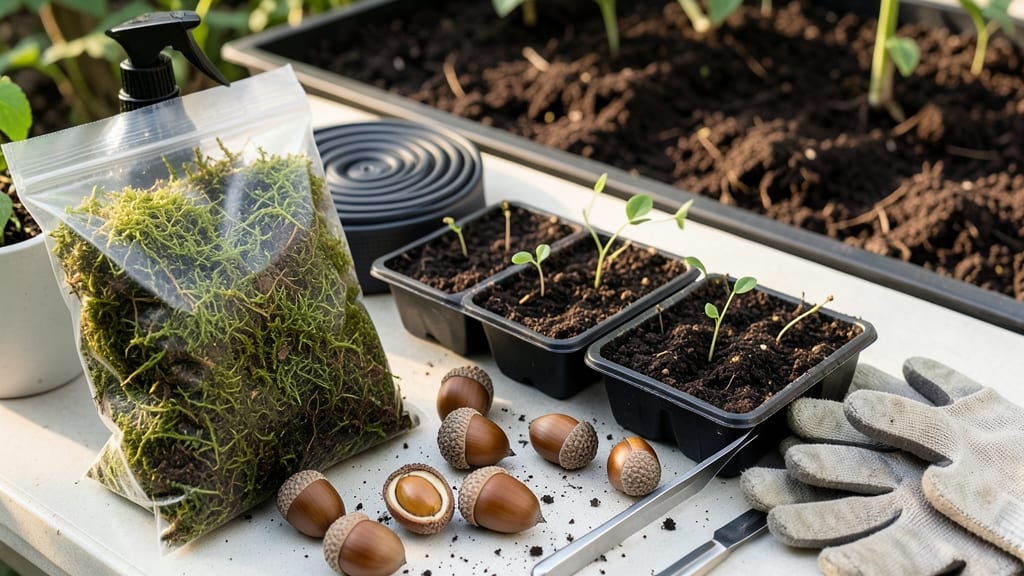
Germinating oak tree seeds requires cold stratification—a process that mimics nature’s winter cycle to break dormancy. 🌱 I’ve struggled with this myself, watching acorns sprout only after months of patience (and a few failed attempts). The key isn’t just time—it’s preparing the seeds right before they hit the cold.
Most people skip scarification, but lightly nicking the seed coat with sandpaper or a knife helps water penetrate. Then, mix the seeds with damp sand in a sealed container and refrigerate for 90-120 days.
This mimics winter’s chill, tricking the seed into thinking spring has arrived—even when it hasn’t. Once you see tiny roots, plant them 1/4 inch deep in well-draining soil, keeping it consistently moist but never soggy.
Saplings emerge slowly—sometimes 3-6 months after planting—but the wait is worth it for a tree that could live for centuries. Avoid common pitfalls like overwatering (which rots seeds) or rushing stratification (which leads to mold).
With the right prep, you’ll coax those stubborn acorns into life—and watch future oaks grow strong.
📚 In This Guide
- What you need
- Instructions
- Tips and common mistakes
- Wrapping up and next steps
What you need
- ● Fresh oak acorns (preferably from Quercus robur or Quercus alba; collect 50–100 seeds for better success rates). Pro tip: 🌡️ Harvest in fall when they’re fully mature but still firm!
- ● Cold stratification setup: Moistened peat moss or coconut coir (2–3 cups, sterilized to prevent mold).
- ● Plastic storage bag (with 1–2 air holes punctured) or a seed stratification fridge tray.
- ○ Optional: A seed germination mat (for warmth during later stages).
- ● Small pots or seed trays (4–6 inch diameter, with drainage holes; 5–10 units depending on seed quantity).
- ● Well-draining potting mix (1–2 bags; blend 2 parts peat/coco coir, 1 part perlite, and 1 part sand).
- ● Misting bottle (to keep medium consistently moist without sogginess).
- ● Plant labels & marker (to track varieties and planting dates!).
- ● Gloves (to handle acorns and soil safely).
- ● Small hand trowel (for transplanting delicate sprouts).
- ● Humidity dome or plastic wrap (to create a mini greenhouse for early sprouts).
- ● Grow lights or sunny windowsill (12+ hours/day of 6000K light for seedlings).
- ○ Thermometer/hygrometer (optional but helpful to monitor 35–40°F during stratification and 70–75°F for germination).
- ● Patience & a notebook (to log progress—oak seeds can take 3–6 months to sprout!).
Step-by-Step guide to germinating oak tree seeds
Mastering cold stratification unlocks oak germination—here’s how to break dormancy and grow vigorous saplings.
🌱 Step 1: Harvest and Prepare the Acorns
Collect mature acorns in fall when they’ve fallen naturally—green or damaged ones won’t germinate. Remove any worms by soaking seeds in 10% bleach solution for 5 minutes, then rinse thoroughly. I like to store them in a paper towel-lined container with a damp (not soggy) mix of sphagnum moss to prevent drying.
Label each variety if mixing types, since oak species vary in germination time. The key here is moisture without rot—check weekly and mist if the moss feels dry to the touch. Acorns need this pre-stratification phase to mimic winter’s natural dormancy break.
❄️ Step 2: Cold Stratify for 60–90 Days
Place your container in a refrigerator (35–45°F) for 2–3 months. This cold period tricks the seed into thinking winter has passed. I use a plastic bag with small holes for airflow—no need for fancy equipment. Check monthly to ensure the moss stays moist but not waterlogged.
You’ll see the first signs of germination when tiny white roots emerge—this usually happens within 4–8 weeks of stratification. If seeds remain dormant after 90 days, they may need another month or be nonviable. Patience is critical here; rushing the process leads to weak or failed sprouts.
🪴 Step 3: Plant Stratified Seeds in Containers
Fill 4-inch pots with a mix of 50% potting soil and 50% perlite for drainage. Plant each acorn ½ inch deep, leaving the root (if visible) uncovered. I use individual pots to avoid overcrowding—oaks hate competition for nutrients early on. Water gently until moisture reaches the bottom.
Place pots in a warm, bright spot (65–75°F) with indirect light. A seedling heat mat helps maintain consistent warmth if your home runs cooler. You’ll see the first true leaves (not the initial cotyledons) in 4–6 weeks—this confirms successful germination.
☀️ Step 4: Transition to Outdoor Conditions
Once seedlings have 3–4 sets of leaves, harden them off by moving pots outside for 2 hours daily, gradually increasing exposure over 2 weeks. Start with shade and avoid direct sun, which can scorch tender leaves. I place mine under a 50% shade cloth to ease the transition.
Transplant to the ground after the last frost when soil reaches 55°F. Oaks grow slowly—expect 1 foot of growth per year—so patience pays off. Mulch heavily to retain moisture and protect young roots from temperature swings.
⏰ Step 5: Maintain Saplings Through First Year
Water deeply once weekly during dry spells, ensuring the root zone stays moist but not soggy. Overwatering suffocates roots, while underwatering stunts growth. I test moisture by sticking my finger 2 inches deep—if dry, it’s time to water.
Fertilize lightly in spring with balanced 10-10-10 at half-strength to avoid burning tender roots. Prune only to remove dead or crossing branches—oaks develop their iconic shape naturally. With consistent care, your saplings will reach 3–5 feet by year two.
Tips & tricks for perfect oak seed germination
Cold stratification isn't just a process—it's the secret to unlocking oak seeds' full potential. Here's what I've learned after years of trial and error with these stubborn little nuts.
Seed Selection Matters: Not all acorns are created equal. Look for plump, heavy acorns with a smooth cap that doesn't come off easily—these are your best bets. I've found that acorns with a slight "cap" resistance often contain the most viable seeds. Avoid any that feel hollow when tapped gently or show signs of insect damage, as these won't germinate regardless of stratification efforts.
The Stratification Timeline: The 60-90 day window in Step 2 is crucial for breaking dormancy, but timing varies by oak species. White oaks typically germinate faster (4-6 weeks) than red oaks (6-8 weeks). If your seeds show no root growth after 90 days, extend the cold treatment for another 30 days—don't give up too soon! I've seen late bloomers emerge after 120 days total.
Moisture Management: The damp sphagnum moss in Step 1 should feel like a wrung-out sponge—never soggy, never bone-dry. I use a spray bottle to maintain consistent moisture without overwatering. Too much water creates anaerobic conditions that rot seeds, while too little prevents the enzymatic processes needed for germination. Weigh your container weekly to ensure it maintains the same weight—this is the most reliable way to track moisture levels.
Light Exposure After Germination: Once you see those first white roots in Step 2, move your container to indirect light immediately. Direct sunlight can scorch the emerging roots before the seedling has developed protective leaves. I place mine under a grow light on a 12-hour cycle until true leaves appear—this mimics natural spring conditions and prevents leggy growth.
Pro Tips for Germinate Oak Tree Seeds
- Cold stratification isn't just a process—it's the secret to unlocking oak seeds' full potential.
- Seed Selection Matters: Not all acorns are created equal.
- The Stratification Timeline: The 60-90 day window in Step 2 is crucial for breaking dormancy, but timing varies by oak species.
Frequently asked questions
Got questions about germinating oak tree seeds? You’re not alone—this process can feel tricky, but we’ve got answers! Here are some of the most common questions (and solutions) to help you succeed.
How long does cold stratification take for oak seeds?
Cold stratification for oak seeds typically takes 3 to 6 months. Place them in a moist, cold environment (like a sealed bag in the fridge) to mimic winter conditions. Patience is key—oaks are slow starters, but this step breaks dormancy for better germination rates.
Can I speed up germination without cold stratification?
While cold stratification is the best method for oaks, some gardeners try soaking seeds in warm water for 24–48 hours or using a heat mat (70–80°F) to encourage sprouting. However, results vary—stratification still yields the highest success rate for oaks.
What if my oak seeds won’t sprout after stratification?
Don’t panic! Oak seeds can be stubborn. Try these fixes:
- Check moisture: Keep the medium damp (not soggy) during stratification.
- Test viability: Cut open a seed—if the inside is firm and brown, it’s viable.
- Extend stratification: Some oaks need up to 9 months.
Do I need to plant oak seeds right after they sprout?
Yes! Oak seedlings are delicate. Once they sprout (usually in 2–6 weeks after stratification), transplant them into pots with well-draining soil. Keep them in partial shade until established—direct sun can stress young roots.
Can I germinate oak seeds outdoors instead of indoors?
For outdoor germination:
- Plant seeds in fall (before frost) in a prepared bed with loose soil.
- Mulch lightly to retain moisture and simulate winter.
- Mark the spot—oaks can take 1–2 years to sprout outdoors.
Wrapping up and next steps
Germinating oak tree seeds is a rewarding journey that combines patience, preparation, and a touch of nature’s magic! By mastering cold stratification and providing the right conditions, you’ll unlock the potential for strong, healthy saplings that can thrive for generations.
Whether you’re a gardening novice or a seasoned green thumb, every small step—like soaking, chilling, and nurturing—brings you closer to success.
Now that you’re armed with the know-how, take the plunge! Start with a few acorns this season, and soon you’ll be watching tiny roots sprout into towering oaks. Ready to plant your first seed? Let’s grow something extraordinary together! 🌱✨