
Trees
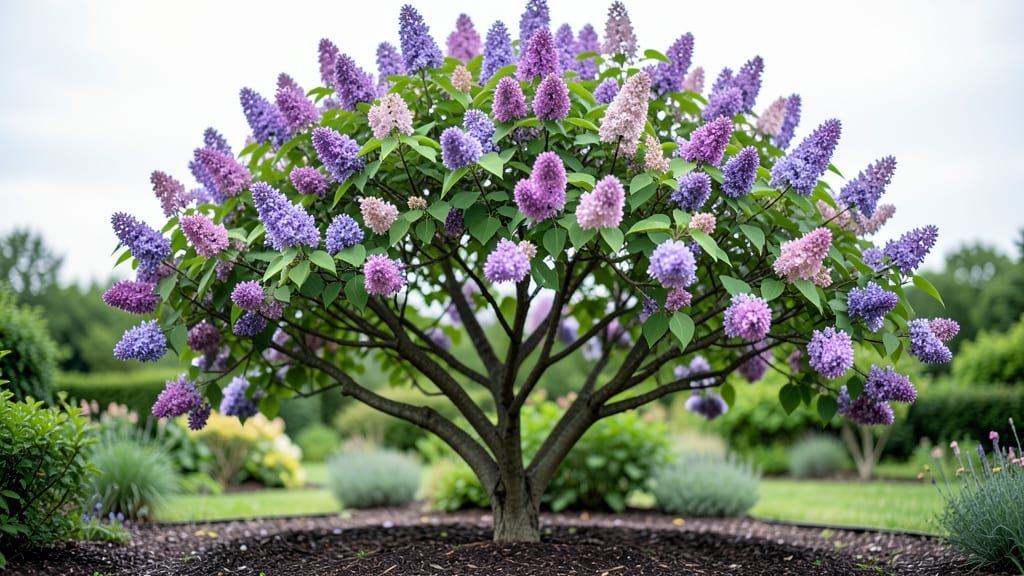
A lilac tree grows anywhere from 3 feet to towering 15 feet tall, depending on the variety you choose—so your dream fragrant shrub could end up as a small accent plant or a statement centerpiece.
If you’re dreaming of fragrant purple blooms but wondering whether a lilac tree will tower over your backyard—or fit snugly in a small garden—you’re not alone.
The height of a lilac tree can vary dramatically depending on the variety, and choosing the right one could mean the difference between a low-maintenance shrub and an unruly giant.
Standard lilacs like Syringa vulgaris reach 8 to 15 feet at maturity, while dwarf cultivars stay compact at just 3 to 6 feet. That means a single plant can transform your space from a cozy corner to a towering focal point—or stay neatly contained in a container garden.
Below, I break down the five most common lilac types, their mature heights, and how to pick the perfect size for your garden—plus pruning tips to keep even the tallest varieties in check.

Lilac tree height by variety: 5 common types and their mature sizes
Choosing the right lilac variety isn’t just about fragrance—it’s about knowing how tall a lilac tree grows in your space. Some varieties reach 15 feet, while others stay compact at 3 feet.
The difference? It’s all in the genetics and growth habits. Whether you have a sprawling backyard or a cozy patio, there’s a lilac perfect for your needs.
Lilacs thrive in USDA Zones 3-7 and love full sun exposure, but their mature size varies wildly. A common lilac can become a towering shrub, while a dwarf Korean lilac stays small enough for containers. Let’s explore the top 5 varieties and their ideal spacing for optimal blooming.
The common lilac is the classic showstopper, reaching 12–15 feet with a sprawling 8–12-foot spread. It’s perfect for backyard borders but needs ample space to avoid crowding.
If you’re working with limited room, the dwarf Korean lilac is a game-changer, maxing out at 6 feet while still packing a fragrant punch.
For a mid-size solution, the French lilac strikes a balance at 8–10 feet. It’s hardy and blooms prolifically, making it a favorite for foundation plantings. Meanwhile, the Bloomerang lilac is a standout for extended blooming seasons, reblooming in late summer.
Its 6–8-foot height fits well in smaller gardens or as a container specimen.
Lastly, the Miss Kim lilac is a compact powerhouse, ideal for urban gardens or patio plantings. Its 4–6-foot stature and dense growth habit make it a low-maintenance choice. Plant it 4–6 feet apart to ensure airflow and prevent disease.
Pro tip: Always check local climate conditions—lilacs in warmer zones (Zone 7) may grow slightly taller than those in cooler zones (Zone 3). Also, prune in late summer to control height and encourage bushier growth for more blooms.
No matter which variety you choose, lilacs reward patience with months of fragrance and vibrant color. Just remember: spacing matters! Crowded lilacs struggle with air circulation and pest issues. Give them room to thrive, and they’ll repay you with show-stopping displays year after year.
How to choose the right lilac tree for your space: height, sunlight, and soil needs
Selecting the perfect lilac tree for your garden starts with understanding your space constraints and growing conditions. Lilacs thrive in full sun and well-drained soil, but their mature height can range from compact 3-foot shrubs to towering 15-foot trees.
If you have a small yard, a dwarf variety like 'Little Leaf' will fit beautifully, while larger landscapes can accommodate the classic Common Lilac with its dramatic height and fragrance.
Before choosing, measure your garden's sunlight exposure and soil quality. Lilacs need at least 6 hours of direct sun daily, and their roots prefer slightly alkaline soil with good drainage. If your soil is heavy clay, amending it with compost or sand will create the ideal growing environment.
Remember, the right variety can transform your garden into a fragrant spring paradise without overwhelming your space.
🌸 Lilac Tree Height Guide
| Variety | Mature Height | Best For |
|---|---|---|
| Dwarf Lilac | 3-6 ft | Small gardens, containers |
| Common Lilac | 8-15 ft | Large yards, borders |
| French Lilac | 6-12 ft | Medium spaces, hedges |
| Korean Lilac | 8-12 ft | Fragrance lovers |
💡 Pro Tip: Always check your nursery's specific variety details, as heights can vary slightly based on growing conditions.
For small gardens or container gardening, prioritize dwarf varieties like 'Miss Kim' or 'Bloomerang Lilac', which stay under 6 feet. These varieties also bloom prolifically, offering year-round interest with their fragrant flowers and glossy foliage.
If you're planting near a patio or driveway, consider the French Lilac, which typically reaches 6-12 feet and has a more compact growth habit than the Common Lilac.
When evaluating sunlight exposure, remember that lilacs in partial shade may produce fewer blooms but will still thrive. If your garden receives only 4-6 hours of sun, choose a variety like 'Sensation Lilac', which tolerates lighter conditions better than others.
Always plant lilacs in an area where they won't be shaded by taller trees or structures, as this can stunt their growth and reduce flowering.
Your soil's pH level plays a crucial role in lilac health. Test your soil and amend it if needed—lilacs prefer a pH between 6.5 and 7.5. If your soil is too acidic, add lime to raise the pH. Well-draining soil is equally important; lilacs hate soggy roots.
If your yard has heavy clay soil, consider planting in a raised bed or mounding native soil around the base to improve drainage.
Once planted, pruning techniques can help control height and encourage bushier growth. After the first year, prune lilacs in late spring or early summer to shape the plant and remove any dead or crossing branches.
For taller varieties, you can lightly prune the top branches to reduce height, but avoid heavy pruning, as this can reduce next year's blooms. Regular pruning also improves air circulation, reducing the risk of fungal diseases.
With the right variety and care, your lilac tree will reward you with years of fragrant blooms while fitting perfectly into your garden's design. Whether you choose a compact dwarf or a towering classic, lilacs bring beauty and fragrance that's hard to match. Happy planting! 🌿