
Orchid Care
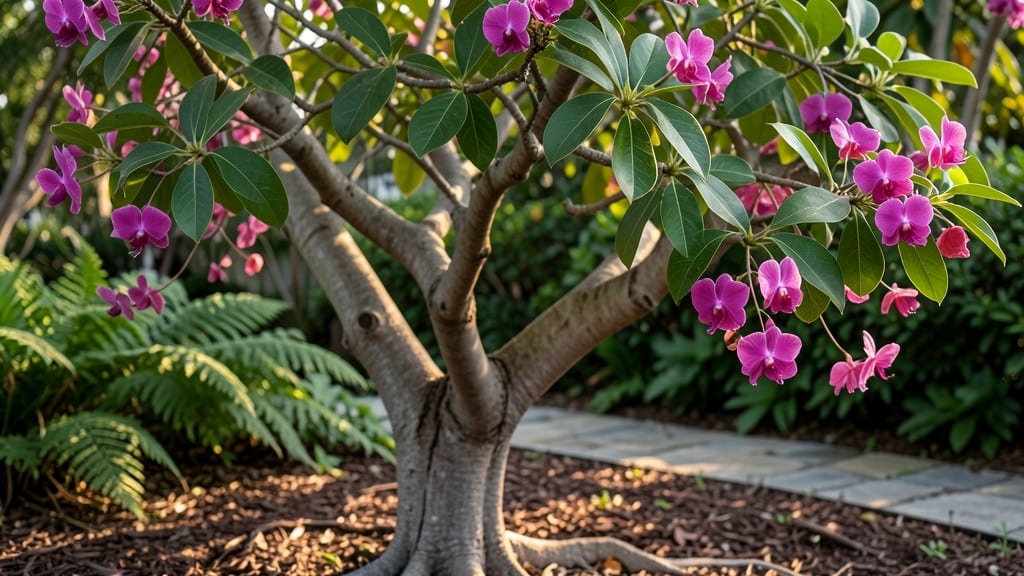
The Hong Kong orchid tree Phoenix transforms any balcony into a fragrant oasis—its delicate pink blooms and glossy leaves make it a stunner in small spaces. 🌸 I’ve nurtured mine through Hong Kong’s humid summers and found the dwarf varieties thrive with minimal fuss, especially when you match their care to the city’s climate.
Start with well-draining soil and a pot with drainage holes—this tree hates soggy roots. Place it where it gets morning sun and afternoon shade, mimicking its natural forest-edge habitat. Water when the top inch of soil feels dry, but avoid overwatering; these trees are tougher than they look.
By late spring, you’ll see clusters of orchid-like flowers that perfume the air for weeks. Prune lightly after blooming to encourage bushier growth, and watch as your tree becomes the neighborhood’s envy. Even in tight spaces, this variety grows just 6-10 feet tall, making it perfect for urban gardens.
For Hong Kong’s heat and humidity, mulch helps retain moisture, and occasional foliar sprays keep the leaves vibrant. Pests are rare, but watch for aphids—spray with soapy water if you spot them. With these tweaks, your orchid tree will reward you with years of effortless beauty.
📚 In This Guide
- What you need
- Instructions
- Tips and common mistakes
- Wrapping up and next steps
What you need
- ● Dwarf Bauhinia blakeana seedling or cutting: Ensure it’s labeled as a dwarf variety (3–6 ft. mature height). Pro tip: Buy from a reputable nursery specializing in orchid trees.
- ● Well-draining potting mix: 1 gallon of a blend like 60% cactus/succulent mix + 30% perlite + 10% orchid bark (sterilized). Avoid heavy garden soil!
- ● Pot with drainage holes: 1–2 gallon container (fabric grow bags or ceramic pots work well). ✨ Ensure it’s at least 12" deep for root growth.
- ● Slow-release fertilizer: 1 packet of balanced orchid fertilizer (10-10-10 or 20-20-20) mixed into the soil.
- ● Support structure: 1 lightweight bamboo stake or trellis (for climbing varieties).
- ● Watering can with a fine rose: For gentle hydration without disturbing roots.
- ● Pruning shears: Sharp, sterilized shears for trimming (disinfect with rubbing alcohol).
- ○ pH testing kit (optional): To check soil pH (ideal range: 6.0–7.0).
- ○ Mulch (optional): ½ cup of orchid bark mulch to retain moisture.
- ● Sunlight access: A south-facing balcony (or grow lights for 6+ hours/day).
- ● Patience & love: Dwarf Bauhinia thrives with consistent care—no shortcuts!
How to grow a dwarf Hong Kong orchid tree Phoenix on your balcony
Here's how I've kept these stunning small trees thriving in tight spaces—no green thumb required.
🌱 Step 1: Choose the Perfect Spot for Your Phoenix
The Hong Kong Orchid Tree Phoenix (Bauhinia blakeana) loves warmth and bright light. Place your pot where it gets at least 6 hours of direct sunlight daily, ideally in a south-facing position. If your balcony faces north, supplement with a grow light for 12 hours daily—these trees won’t bloom without enough light.
I always check the leaves for clues: dark green and slightly glossy means it’s happy, while pale or yellowing leaves mean it’s getting too much shade. A west-facing spot works well too, but watch for afternoon heat—if leaves crisp, move it to partial shade by mid-afternoon.
🪴 Step 2: Plant in Well-Draining Soil and the Right Pot
Use a lightweight, fast-draining potting mix—I blend 50% cactus/succulent mix with 50% perlite for the best results. These trees hate soggy roots, so add a handful of orchid bark to improve aeration. Choose a pot with drainage holes and at least 12 inches in diameter for your dwarf variety.
When repotting, I always tap the root ball gently to loosen it slightly—this encourages new root growth. Fill the pot 2/3 full with soil, place the tree, and backfill with mix, pressing lightly to remove air pockets. Leave 1 inch of space at the top for watering.
💧 Step 3: Water Deeply but Infrequently
Let the top 2 inches of soil dry out completely between waterings—that’s the key to preventing root rot. Stick your finger in the soil: if it feels dry, it’s time to water. When you do, soak the soil thoroughly until water runs out the drainage holes. Empty the saucer afterward to avoid sitting water.
Overwatering is the #1 killer of Phoenix trees. I’ve seen them wilt in just 48 hours if left in damp soil. In winter, reduce watering to every 10-14 days—these trees enter a semi-dormant state and need less moisture.
☀️ Step 4: Feed and Prune for Continuous Blooms
Start fertilizing in early spring with a balanced 10-10-10 liquid fertilizer, diluted to half strength. Feed every 4 weeks during the growing season (March–October). I switch to a low-phosphorus fertilizer in late summer to encourage more blooms next season—high phosphorus makes leaves grow at the expense of flowers.
Prune after flowering to shape your tree. Use clean, sharp pruners to trim back leggy stems by 1/3 their length. This encourages bushier growth and more blooms. Always prune just above a leaf node—never cut into bare wood. A light dusting of cinnamon powder on pruning wounds prevents infection.
✂️ Step 5: Protect from Pests and Winter Chills
Check leaves weekly for aphids or spider mites—common pests that love Phoenix trees. Wipe leaves with a neem oil solution (1 tsp neem oil + 1 quart water) if you spot sticky residue or tiny webs. I spray mine every 2 weeks as prevention, especially in humid weather.
If temperatures drop below 40°F, bring your Phoenix indoors near a sunny window. These tropical trees can’t handle frost, but they’ll bounce back quickly with proper care. In winter, reduce watering and fertilizing—let the tree rest until spring.
Tips & tricks for perfect Hong Kong orchid tree Phoenix care
These simple secrets will help your dwarf Phoenix thrive in even the smallest balcony spaces.
Lighting Strategy: For those tricky north-facing balconies, I recommend placing your grow light 12 inches away from the leaves to prevent leaf burn. Move it closer if the leaves stay pale after a week—these trees are picky about light intensity. A simple LED bulb on a timer works perfectly for the required 12 hours of supplemental light.
Soil Mix Secret: The 50/50 blend of cactus mix and perlite is non-negotiable, but here's my extra tip: Add 1 part worm castings to the mix for an extra nutrient boost without risking soggy roots. This helps your Phoenix grow stronger between fertilizing sessions. The worm castings also improve moisture retention slightly, which helps in dry climates.
Watering Cues: When checking soil moisture, don't just rely on your finger—gently lift the pot. If it feels noticeably lighter than usual, that's your cue to water. I've found this method more reliable than visual inspection, especially for the 2-inch dry zone requirement. The pot's weight gives you a consistent measurement that doesn't vary with soil type.
Pruning Precision: When trimming those leggy stems by 1/3 their length, always make cuts at a 45-degree angle just above a leaf node. This helps water run off the cut and prevents rot. I also recommend pruning in the morning—new growth responds better when you give it the full day to recover before nightfall. The cinnamon dusting is genius for preventing infection, but make sure it's completely dry before you apply it.
Pro Tips for Hong Kong Orchid Tree Phoenix
- These simple secrets will help your dwarf Phoenix thrive in even the smallest balcony spaces.
- Lighting Strategy: For those tricky north-facing balconies, I recommend placing your grow light 12 inches away from the leaves to prevent leaf burn.
- Soil Mix Secret: The 50/50 blend of cactus mix and perlite is non-negotiable, but here's my extra tip: Add 1 part worm castings to the mix for an extra nutrient boost without risking soggy roots.
Frequently asked questions
Got questions about your Hong Kong Orchid Tree Phoenix?
You’re not alone! Here are answers to the most common queries—whether you're troubleshooting, planning ahead, or just curious about this stunning dwarf variety.
Is the Hong Kong Orchid Tree Phoenix truly dwarf-sized?
The Bauhinia blakeana "Phoenix" variety stays compact—typically reaching 6–10 feet tall with proper pruning. Unlike its larger cousins, it’s perfect for balconies, pots, or small gardens. Just ensure it gets bright, indirect light to maintain its lush, manageable size.
When is the best time to prune my Orchid Tree Phoenix?
Prune right after flowering (late winter to early spring) to encourage bushier growth. Avoid heavy cuts in fall—this variety blooms on new wood, so late pruning may reduce flowers. Use clean shears and sterilize them with rubbing alcohol to prevent disease.
Why aren’t my Orchid Tree Phoenix leaves looking vibrant?
Dull or yellowing leaves often signal overwatering, poor drainage, or nutrient deficiency. Check soil moisture—it should dry out between waterings. Feed with a balanced orchid fertilizer (20-20-20) every 4–6 weeks in spring/summer. If leaves drop suddenly, it may be too cold (<50°F/10°C).
Can I grow the Hong Kong Orchid Tree Phoenix indoors?
Yes! Place it near a south- or west-facing window for 6+ hours of sunlight daily. Supplement with a grow light if natural light is limited. Use a well-draining potting mix (like cactus blend) and a pot with drainage holes. Humidity lovers thrive with a pebble tray or occasional misting.
How do I encourage more blooms on my Phoenix Orchid Tree?
Blooms thrive with consistent care:
- Bright light (no deep shade)
- Moderate watering (let soil dry slightly between waterings)
- Cool nights (55–65°F/13–18°C) in late fall/winter trigger buds
- Avoid over-fertilizing—stick to orchid-specific feed during active growth (spring–summer).
Wrapping up and next steps
The Hong Kong Orchid Tree Phoenix—especially its dwarf variety—is a stunning, low-maintenance addition to any balcony or garden. With the right care, this resilient plant thrives in small spaces, offering vibrant blooms and lush foliage year-round.
Whether you're a beginner or a seasoned plant parent, its adaptability makes it a perfect choice for urban greening.
Ready to bring a touch of phoenix-like beauty to your space? Start by gathering your supplies, then follow the steps to nurture your orchid tree with confidence. Your balcony oasis awaits—plant, prune, and enjoy! 🌿✨