
Size
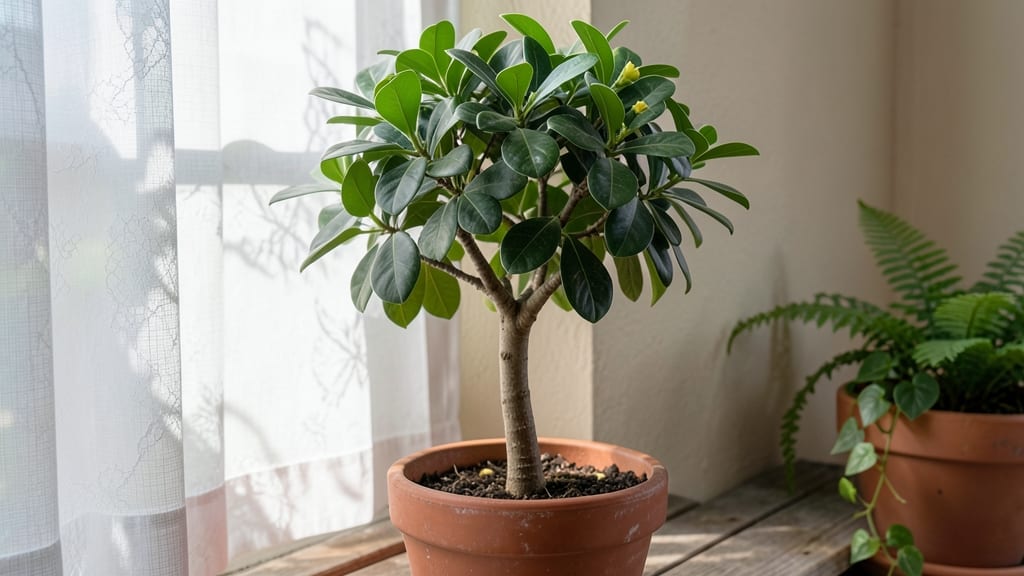
The Gem avocado tree size typically matures between 15 to 30 feet tall, but with the right care, you can keep it much smaller—even as a manageable 8 to 12 feet in containers.
If you’re dreaming of a lush, productive avocado tree in your backyard but worry about space, the Gem avocado might be your perfect match—it stays compact yet delivers massive flavor. But how big does it really get, and what factors influence its size?
This variety grows faster than many dwarf avocados, so pruning early is key to controlling its height and spread. Without intervention, it can easily reach 20 feet in just a few years, but strategic trimming keeps it at a more manageable 10 feet or less.
Below, I’ll break down how to manage its growth, compare it to other varieties, and share tips to fit a Gem avocado tree—whether in a pot or your yard—without sacrificing fruit production.

Gem avocado tree size by variety: how tall and wide they grow
If you’re considering a Gem avocado tree for your garden, knowing its size expectations is key to planning your space. The Gem variety is often marketed as a dwarf avocado, but its mature size can vary based on growing conditions and care.
On average, a mature Gem avocado tree reaches 15-25 feet tall with a spread of 10-15 feet, though some growers report keeping them pruned to 8-12 feet for container or small-yard gardening.
Unlike standard avocado varieties that can tower over 30 feet, the Gem avocado is designed to stay more manageable. However, its growth rate is moderate to fast—expect 1-2 feet per year in ideal conditions.
This makes it a great choice for backyard orchards or even large containers with proper care.
Here’s a quick comparison to set expectations: A Gem avocado at 10 years old might still be 10-15 feet tall, while a standard Hass avocado of the same age could be 20+ feet tall.
The difference is especially noticeable in container-grown trees, where the Gem variety thrives with regular pruning.
🌱
The Gem avocado’s size is influenced by its rootstock. Trees grafted onto dwarfing rootstock (like Mexicola or Duke 7) stay smaller, while those on standard rootstock may grow taller.
For example, a Gem grafted onto Duke 7 might max out at 12 feet, while the same variety on seedling rootstock could reach 25 feet.
In container growing, the Gem avocado can be kept even smaller with regular pruning and root pruning. Many growers report success keeping potted Gem trees under 8 feet tall by training them as espalier or standard trees.
Just ensure the container is at least 15-20 gallons to accommodate root growth.
One common misconception is that all Gem avocados stay 8 feet or less. While they’re naturally compact, their size depends heavily on pruning habits and growing conditions.
A neglected Gem tree in a USDA Zone 10+ climate can easily reach 20 feet without intervention. Always factor in future growth when planting.
For small-space gardening, pair your Gem avocado with companion plants like citrus trees or herbs to maximize vertical space. Dwarf varieties like Bacon or Mexicola may be better for tiny yards, but the Gem offers a balanced middle ground with larger fruit yields than true dwarfs.
🌿
If you’re growing a Gem avocado in a cooler climate (e.g., USDA Zone 9), expect slightly slower growth. Trees in
Factors that control Gem avocado tree size: pruning, soil, and climate
The Gem avocado tree thrives in controlled environments, but its final size depends on three key factors: pruning techniques, soil composition, and climate conditions. Unlike wild avocados that can reach 50 feet, the Gem stays manageable—typically 8-12 feet tall when properly managed.
Understanding these factors lets you shape your tree’s growth intentionally, whether you want a dwarf container tree or a semi-dwarf backyard specimen.
Your pruning strategy is the most direct way to control size. Structural pruning in early years sets the foundation, while annual maintenance pruning keeps it compact. The soil’s nitrogen-to-potassium ratio also plays a critical role—too much nitrogen fuels rapid, weak growth, while balanced potassium promotes sturdy, controlled development.
Finally, climate zone (USDA 9-11) dictates growth speed: warmer zones accelerate growth, while cooler microclimates slow it down naturally.
Controlling Gem Avocado Size: Pros and Cons
Pruning for Size Control
- ✅ Pro: Reduces height by 30-50% with strategic cuts
- ✅ Pro: Improves fruit access and air circulation
- ❌ Con: Over-pruning stresses young trees
- ❌ Con: Requires year-round attention for dwarf varieties
Soil Nutrient Balance
- ✅ Pro: 6-6-6 NPK promotes balanced growth
- ✅ Pro: Well-draining soil prevents root-bound stress
- ❌ Con: Too much nitrogen causes weak, leggy growth
- ❌ Con: Compacted soil restricts root expansion
Climate Influence
- ✅ Pro: USDA 9-11 zones support year-round growth
- ✅ Pro: Container growing extends range to USDA 8
- ❌ Con: Cold snaps (32°F) damage young trees
- ❌ Con: High humidity increases fungal risks
For dwarf-sized Gem avocados, focus on container pruning—trim back by 1/3 annually during late winter. Use a 5-gallon pot minimum for young trees, upgrading to 15-gallon containers as they mature.
In-ground planting requires 10-15 feet of spacing between trees to prevent root competition, which can stunt growth if ignored.
Sunlight exposure is often overlooked but critical. While 6+ hours of direct sun is ideal, partial shade in hot climates (like Southern California) actually slows growth—perfect for keeping trees smaller.
Pair this with well-draining soil (sandy loam with pH 6.0-7.0) to prevent root rot, which can accelerate size due to stress responses.
If you’re in USDA zone 10-11, your Gem avocado may grow 20% faster than in cooler zones like USDA 9b. To counteract this, prune more aggressively in spring and reduce nitrogen by 25% during peak growing months.
Mature trees in optimal conditions can produce 50-100 fruits annually, but oversized trees may struggle with fruit-bearing weight.
Remember: Consistency is key. Skip a pruning season or neglect soil health, and your once-compact Gem avocado could shoot up unexpectedly.
With the right balance of pruning discipline, nutrient management, and climate awareness, you’ll enjoy a productive, space-saving tree that fits your garden perfectly—whether in a container on your patio or as a backyard centerpiece. 🌱