
Container Gardens
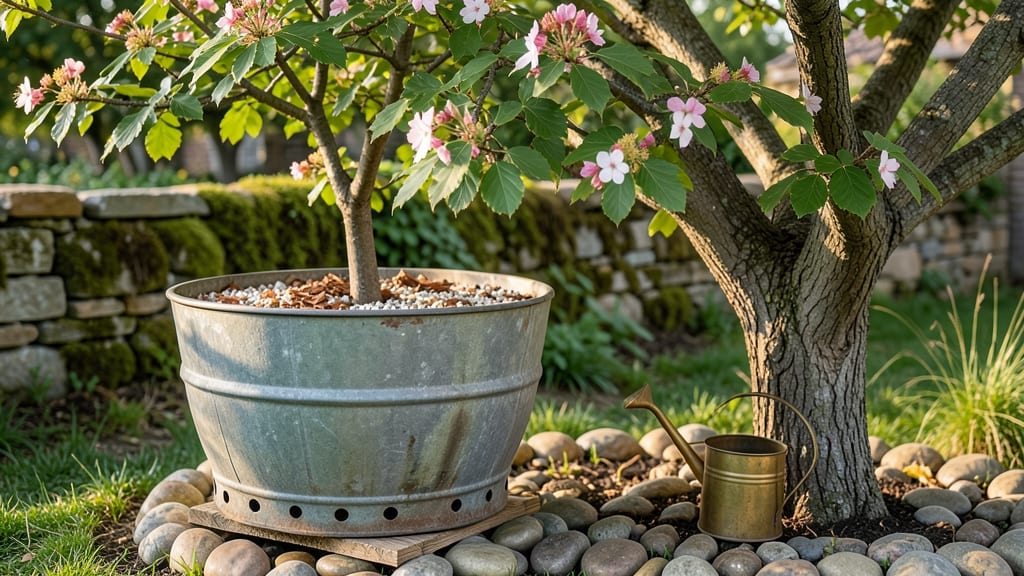
Growing a dogwood tree in a container transforms even the tiniest patio into a showstopper. 🌿 I’ve watched these graceful trees thrive in pots for years, their delicate blooms and rich foliage proving that small spaces can hold big beauty—without the years it takes for them to outgrow their spot.
The key starts with the right container: at least 24 inches deep with drainage holes, filled with a mix of 50% potting soil, 30% compost, and 20% perlite to keep roots aerated.
Most people underestimate how quickly dogwood roots need space—root-bound trees struggle to bloom, so choose a pot 2-3 inches larger in diameter than the root ball each time you repot.
Place your container where it gets morning sun and afternoon shade, and water when the top inch of soil feels dry. Prune in late winter to shape the tree and remove dead branches, but never cut more than 25% of the foliage at once.
With consistent care, you’ll enjoy those iconic spring blooms and vibrant fall foliage—year after year, in the same compact space.
Watch for signs of stress like yellowing leaves or stunted growth, which often mean the pot is too small or drainage is poor. A slow-release fertilizer in early spring gives them the boost they need without overwhelming their delicate roots.
The result? A tree that stays manageable, stays healthy, and stays stunning.
📚 In This Guide
- What you need
- Instructions
- Tips and common mistakes
- Wrapping up and next steps
What you need
- ● Container: A large, well-draining pot (minimum 18–24 inches in diameter and 24–30 inches deep) with drainage holes. Terra cotta or fiberglass works best to prevent root rot. 💡 Pro tip: Avoid plastic if possible—it retains too much moisture!
- ● Dogwood Tree: A dwarf or semi-dwarf variety (e.g., Cornus florida ‘Cherokee Brave’ or Cornus kousa ‘Milky Way’) from a reputable nursery. Choose a 1–3 gallon container-grown sapling for best adaptability.
- ● High-Quality Potting Mix: A well-draining, airy blend (e.g., 50% peat moss or coconut coir + 30% perlite/pumice + 20% compost). Avoid garden soil—it compacts and suffocates roots!
- ● Slow-Release Fertilizer: A balanced, organic fertilizer (e.g., 10-10-10 or 5-5-5) mixed into the soil at planting. 1 cup per 12 inches of pot diameter is ideal.
- ● Mulch: 2–3 inches of bark chips or shredded pine needles to retain moisture and regulate temperature.
- ● Garden Gloves (to protect your hands from thorns and rough bark).
- ● Trowel or Small Shovel (for digging and mixing soil).
- ● Watering Can or Hose with Gentle Nozzle (containers dry out faster!).
- ● Pruning Shears (for shaping and removing dead branches).
- ○ pH Test Kit (Optional) – Dogwoods prefer slightly acidic soil (pH 5.0–6.5).
- ○ Container Saucer or Tray (Optional) – To catch excess water and prevent messes.
- ● Sunlight: Partial shade (4–6 hours of dappled sun daily). Avoid harsh afternoon sun in hot climates.
- ● Watering Routine: Keep soil consistently moist but not soggy (water when the top 1–2 inches feel dry).
- ● Location: A spot with wind protection (containers dry out faster in breezy areas).
- ● Patience: Dogwoods grow slowly—expect 6–12 inches of growth per year in containers.
Step-by-step instructions for growing a dogwood in a container
Here's how to create a stunning, space-friendly dogwood that thrives in pots.
🪴 Step 1: Choose the Right Container and Drainage
Start with a container at least 18-24 inches deep—dogwoods need room for roots to spread. I recommend a fiberglass or resin pot because they won’t crack in freezing temps, which matters if you move it outdoors seasonally. Make sure it has multiple drainage holes at the bottom, and add a 2-inch layer of gravel or broken pottery to prevent soil compaction and root rot.
If your container lacks drainage, drill holes yourself—just don’t go bigger than ½ inch or the soil will wash out too easily. Place the pot on feet or a saucer to catch excess water and keep roots dry. I always test the pot’s weight when empty; a filled 24-inch container can tip over in wind, so secure it to a stand or heavy base.
🌱 Step 2: Use Well-Draining Soil and Plant Correctly
Fill the pot with a 50/50 mix of high-quality potting soil and perlite or coarse sand—dogwoods hate soggy roots. I like to add a slow-release fertilizer (like 10-10-10) mixed into the bottom 3 inches of soil for steady nutrition. Avoid garden soil; it compacts and traps moisture, leading to root rot.
When planting, dig a hole twice as wide as the root ball but only as deep as the top of the root ball. Gently loosen the roots if they’re circling—this encourages outward growth. Place the tree in the center, backfill with soil, and water deeply until it drains from the bottom. Press the soil lightly around the base to remove air pockets, but don’t compact it.
☀️ Step 3: Position for Light and Protect from Harsh Elements
Dogwoods need full sun to partial shade—at least 4-6 hours of morning sun in hot climates, or they’ll struggle. I place mine near a south-facing window or under a patio cover where it gets dappled shade in the afternoon. If you’re growing a flowering variety, more light means bigger, showier blooms, but avoid intense afternoon sun, which can scorch leaves.
Move the container indoors before temperatures drop below 20°F or exceed 90°F for extended periods. Dogwoods are sensitive to temperature swings—sudden cold snaps can damage foliage, and heat stress causes leaf drop. If you’re in a warm climate, provide light shade during summer afternoons to prevent leaf scorch.
💧 Step 4: Water and Fertilize for Healthy Growth
Water when the top 2 inches of soil feel dry—stick your finger in to check. Dogwoods in containers dry out faster than in-ground trees, so deep watering once a week (or daily in extreme heat) keeps roots happy. Avoid wetting the leaves, especially in humid conditions, to prevent fungal diseases like powdery mildew.
Fertilize once in early spring with a balanced, slow-release fertilizer, and again in mid-summer if new growth slows. I use a half-strength liquid fertilizer every 4-6 weeks during the growing season. Over-fertilizing causes salt buildup in the soil, which burns roots—always water thoroughly after fertilizing to rinse excess salts away.
✂️ Step 5: Prune and Maintain Year-Round
Prune in late winter or early spring before new growth starts. Remove dead, crossing, or weak branches first, then shape the tree to maintain its natural form. Dogwoods bloom on old wood, so avoid heavy pruning after flowering—just trim back any leggy growth to encourage bushiness.
Inspect the tree monthly for pests like scale or spider mites. If you spot sticky residue (honeydew) on leaves, spray with neem oil or insecticidal soap. In fall, reduce watering as growth slows, but keep the soil slightly moist until the first frost. Mulch the top 1-2 inches of soil with pine bark or shredded leaves to retain moisture and regulate temperature.
Tips & tricks for perfect container-grown dogwood trees
Growing a dogwood in a container takes a little extra care, but these simple tricks will help you create a thriving, space-saving beauty that lasts for years.
Container Size Matters: While the instructions call for an 18-24 inch deep container, I always recommend going slightly larger—especially for flowering varieties. A 24-inch diameter pot gives roots more room to spread horizontally, which supports better blooms and overall health. If you're limited on space, choose a narrower but deeper pot (like 18 inches wide × 24 inches deep) to accommodate the root system. Just be prepared to water more frequently in smaller containers since soil dries out faster.
Soil Mix Secrets: That 50/50 potting soil and perlite mix is perfect, but here's what I do differently: I add a handful of worm castings to the bottom third of the soil for extra nutrients and microbial activity. This helps prevent compaction and gives your dogwood a nutrient boost right where it needs it most. For even better drainage, I mix in a small amount of orchid bark—it holds moisture while still allowing excess water to escape quickly.
Winter Protection Hack: Moving your container indoors before 20°F is crucial, but I've found a trick to extend outdoor enjoyment: wrap the pot in bubble wrap or thick frost cloth before bringing it inside. This helps prevent temperature shock when you move it from cold outdoor temps to warmer indoor conditions. Also, place the pot on a saucer filled with pebbles and water to create humidity around the roots—this mimics natural conditions and reduces stress on the tree.
Light Positioning Pro Tip: Those 4-6 hours of morning sun are ideal, but here's how to maximize light exposure: rotate your container ¼ turn every few weeks. This ensures even growth and prevents the tree from leaning toward the light. In apartments with limited windows, consider using a grow light for 6-8 hours daily during winter months when natural light is scarce. Just position it 12-18 inches above the tree to avoid leaf burn.
Pro Tips for Dogwood Tree In Container
- Growing a dogwood in a container takes a little extra care, but these simple tricks will help you create a thriving, space-saving beauty that lasts for years.
- Container Size Matters: While the instructions call for an 18-24 inch deep container, I always recommend going slightly larger—especially for flowering varieties.
- Soil Mix Secrets: That 50/50 potting soil and perlite mix is perfect, but here's what I do differently: I add a handful of worm castings to the bottom third of the soil for extra nutrients and microbial activity.
Frequently asked questions
Got questions about growing a dogwood tree in a container? You’re not alone! Here are answers to the most common concerns—from size and care to troubleshooting—so you can enjoy your compact, elegant tree with confidence.
How big can a dogwood tree grow in a container?
A dogwood tree in a container typically stays dwarf varieties (like ‘Purple Bush’ or ‘White Cloud’) will max out at 6–10 feet tall, while standard types may reach 12–15 feet if pruned regularly. Root-bound stress can stunt growth, so repot every 2–3 years into a slightly larger container (1–2 inches wider).
When is the best time to plant a dogwood in a container?
Plant in early spring or fall when temperatures are mild (50–70°F). Avoid summer heatwaves or winter freezes, which stress young roots. If buying potted dogwoods, transplant as soon as possible—they adapt poorly to root disturbance. Pro tip: Water thoroughly after planting and mulch to retain moisture.
How do I keep my container dogwood alive in winter?
Container dogwoods are less cold-hardy than in-ground trees. For zones 5–7, wrap the container in burlap and insulate with styrofoam or bubble wrap. Move to a sheltered spot (like a garage or against a wall) and reduce watering. In zones 8+, a thick mulch layer (3–4 inches) is usually enough. Watch for frost cracks on bark—seal with pruning sealant if needed.
Can I grow a dogwood in a container without flowers?
Yes! If your dogwood isn’t flowering, check these common issues:
- Insufficient sunlight: Dogwoods need 6+ hours of sun (partial shade is okay, but too little = no blooms).
- Over-fertilizing: Too much nitrogen = leafy growth, not flowers. Use a balanced 10-10-10 fertilizer in early spring.
- Stress from transplant shock: Give it 1–2 years to acclimate before expecting blooms.
- Wrong variety: Some dwarf dogwoods (like ‘Little Apple’) are sterile. Choose ‘Purple Bush’ or ‘Cornus florida ‘Rubra’’ for reliable flowers.
What’s a good alternative if I want a flowering tree but dogwoods are tricky?
Try these container-friendly, low-maintenance alternatives:
Tree
Height
Flower Color
Notes
Japanese Maple (‘Bloodgood’)
8–12 ft
Red/purple foliage
Thrives in shade; stunning fall color.
Crabapple (‘Dolgo’)
10–15 ft
Pink/white blooms
Disease-resistant; needs full sun.
Dwarf Fothergilla (‘Mount Airy’)
4–6 ft
White bottlebrush flowers
Fragrant blooms; great for small spaces.
All three tolerate containers well and offer year-round interest!
Wrapping up and next steps
Growing a dogwood tree in a container is a rewarding way to bring nature’s elegance to small spaces—whether your balcony, patio, or cozy courtyard. With the right soil, sunlight, and care, you’ll enjoy its stunning blooms and lush foliage for years to come.
The key is patience, consistency, and a little creativity to keep your tree thriving in its compact home.
Ready to give it a try? Start by gathering your supplies, then choose a container and location that suits your dogwood’s needs. Before you know it, you’ll have a breathtaking centerpiece that turns heads—and brings joy—every season! 🌸🌿