
Blooming
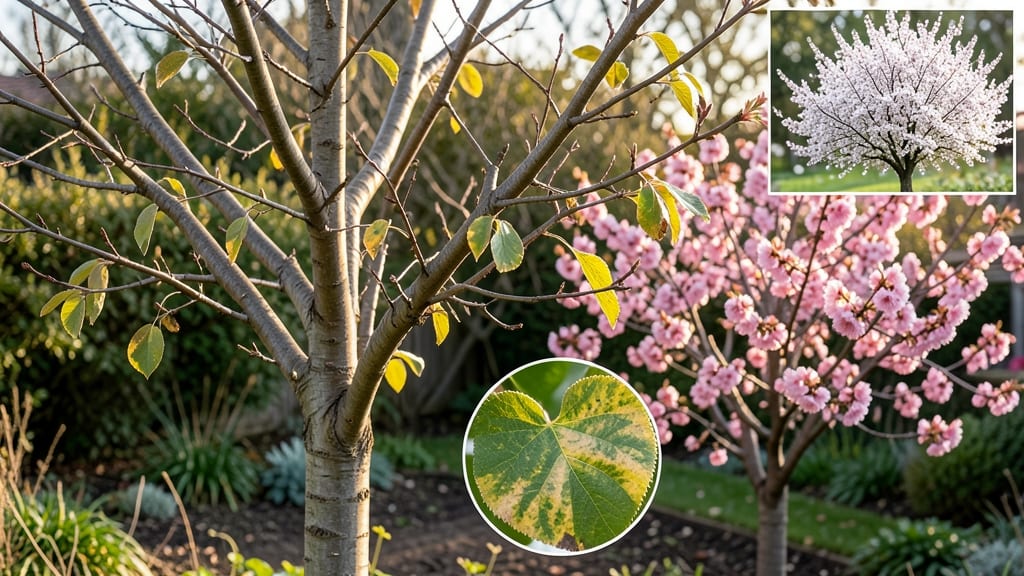
A crabapple tree not blooming in spring can feel like a gut punch after months of anticipation. 🌸 I’ve had mine stare at me with bare branches for years, and I finally cracked the code—it wasn’t age, disease, or even bad luck.
The real culprits were hiding in plain sight: pruning at the wrong time, nutrient imbalances, and winter stress that went unnoticed. The good news? Most dormant-season fixes take less than an hour and can transform your tree’s spring performance.
We’re talking 3 key adjustments: timing your pruning, feeding with the right nutrients, and protecting it from late frosts. My tree now bursts into pink-and-white blossoms by mid-April, and the secret isn’t complicated—just intentional.
You’ll diagnose the exact reason your tree is holding back (yes, even young trees skip blooms) and apply fixes that work for both mature and newly planted crabapples. The results? A canopy that looks like a fairy-tale scene, not a missed opportunity.
Let’s troubleshoot step by step—because every branch deserves its moment in the spotlight.
Root Causes Behind Poor Blooms
When your crabapple tree refuses to put on a floral show, the problem often traces back to one (or more) of these core issues. Understanding the science behind each will help you diagnose the problem like a pro—and take the right corrective action.
Crabapple trees (Malus spp.) are sun worshippers, requiring full sun (6–8 hours daily) to trigger blooming. If your tree is shaded by taller structures, competing foliage, or even dense evergreens, it may skip flowering entirely.
Why it happens:
- Photosynthesis slowdown: Low light reduces carbohydrate production, weakening the tree’s energy reserves needed for flower buds.
- Dormancy confusion: Partial shade can delay or prevent the hormonal shift from vegetative growth to reproductive (flowering) mode.
- Bud abortion: Developing buds may abort if the tree doesn’t receive enough light to sustain them.
🔍 Actionable clue: Check the tree’s canopy—if the top blooms but the lower branches don’t, it’s likely a light issue. Thin nearby branches or relocate the tree if possible.
Crabapples are finicky about cold requirements. Too little winter chill or erratic spring temps can disrupt blooming.
Why it happens:
- Chill-hour deficit: Most crabapples need 200–1,000 chill hours (temps between 32–45°F) to break dormancy. Mild winters (common in Zone 7+) may leave buds dormant.
- Late frosts: A sudden freeze after buds swell can kill emerging flowers, signaling the tree to abort blooms for the season.
- Heat stress: Early spring heatwaves (>80°F) can cause buds to open prematurely, followed by frost damage.
📊 Data point: In studies, crabapples in Zone 8+ often struggle without supplemental chill, while Zone 5 trees may bloom excessively if winters are too harsh.
Over- or under-watering, plus poor soil health, starve the tree of the resources it needs for flowering.
Why it happens:
- Drought stress: Roots can’t absorb enough water/nutrients, leading to bud dormancy or bud blast (buds drying out).
- Overwatering: Soggy soil suffocates roots, reducing nutrient uptake (especially phosphorus and potassium, critical for blooms).
- Nitrogen overload: Too much nitrogen promotes leafy growth at the expense of flowers (think "all foliage, no romance").
🌱 Soil test tip: Aim for slightly acidic soil (pH 6.0–7.0). A soil test can reveal deficits in magnesium (for chlorophyll) or boron (for cell wall strength in buds).
Hidden threats like fire blight, aphids, or scale insects can gnaw away at your tree’s energy—or physically destroy flower buds.
Why it happens:
- **Fire blight (Erwinia amylovora): This bacterial disease blackens and kills blossoms, then spreads to branches. Infected buds won’t open.
- Aphids/spider mites: These sap-suckers weaken the tree, diverting energy away from flower production.
- Canker diseases:** Fungal cankers (e.g., Nectria) girdle branches, cutting off nutrient flow to buds.
🚨 Visual red flags: Oozing blackened buds, sticky honeydew on leaves, or sawdust-like frass (insect droppings) on branches.
Not all crabapples bloom reliably—and some simply take their time.
Why it happens:
- Young trees (under 3–5 years): Focus energy on root/structure growth before flowering. Patience is key!
- Poor pollinators: Some crabapples (e.g., Malus ‘Adirondack’) are self-sterile and need cross-pollination. Without bees or wind, buds may form but fail to set fruit—or even open.
- Over-pruning: Heavy pruning in late winter/early spring removes next year’s flower buds, which form in summer/fall.
💡 Pro tip: If your tree is mature but still skips blooms, try planting a compatible pollinator variety within 50 feet.
Herbicides, fungicides, or even over-fertilizing with synthetic chemicals can disrupt blooming.
Why it happens:
- Glyphosate drift: This systemic herbicide can damage cambium layers, stunting flower bud development.
- Systemic fungicides (e.g., thiophanate-methyl): Some disrupt ethylene production, a hormone critical for bud opening.
- Synthetic bloom boosters: Overuse of ethylene-releasing fertilizers can backfire, causing buds to open too early (and get fried by frost).
⚠️ Label warning: Always check product labels for "do not apply near fruit trees" warnings. Organic options (e.g., neem oil, copper fungicide) are safer for blooms.
Reviving Your Tree’s Spring Show
If your crabapple tree is playing hard to bloom, don’t panic—there are practical steps to coax it back to life. Below, we’ve matched common causes to actionable fixes, plus tips to keep your tree thriving for future seasons. Let’s get your tree back on track!
Cause: Poor soil health or nutrient deficiencies (especially nitrogen, phosphorus, or potassium) can stunt blooms.
How to Fix It: 🔥 Test Your Soil – Grab a soil test kit (available at garden centers) to check pH and nutrient levels. Crabapples prefer slightly acidic soil (pH 6.0–7.0). If levels are off, amend the soil with:
- Compost (for organic matter)
- Balanced fertilizer (10-10-10 or 20-20-20) applied in early spring before buds swell
- Bone meal (for phosphorus, which supports root and flower development)
👨🍳 Apply Fertilizer Like a Pro
- Spread fertilizer evenly under the tree’s drip line (the edge of its canopy).
- Water thoroughly after applying to help nutrients absorb.
- Avoid over-fertilizing—too much can burn roots or encourage leafy growth over flowers.
💡 Pro Tip: Slow-release fertilizers (like organic pellets) reduce the risk of overfeeding and provide steady nourishment all season.
Cause: Shade from nearby structures, trees, or overgrowth can weaken blooms, while poor airflow invites pests/diseases.
How to Fix It: 🍳 Prune Strategically
- Thin out dense branches to improve sunlight penetration. Aim for an “open vase” shape—remove crossing or inward-growing limbs.
- Best time to prune: Late winter or early spring before new growth starts.
🌡️ Adjust the Landscape
- If your tree is in deep shade, consider transplanting it to a sunnier spot (partial sun is ideal for crabapples).
- Remove competing plants (like thick shrubs) within 10 feet of the tree’s base.
✨ Pro Tip: If your tree is young, stake it temporarily to ensure it grows upright and gets maximum sunlight.
Cause: Overwatering or drought stress can shock the tree, leading to missed blooms.
How to Fix It: 🔪 Check the Soil
- Stick your finger 2–3 inches into the soil. If it’s dry, water deeply (1–2 inches per week). If soggy, reduce watering and improve drainage with:
- Organic mulch (wood chips or straw) around the base (keep mulch 3–4 inches away from the trunk).
- Raised beds if your yard has poor drainage.
⏰ Watering Schedule
- Spring/fall: Water every 7–10 days (unless it rains).
- Summer: Deep water 1–2 times per week to combat drought stress.
- Avoid: Wetting the leaves/fruit to prevent fungal diseases like apple scab.
🎯 Pro Tip: Drip irrigation systems deliver water directly to the roots, reducing waste and disease risk.
Cause: Insects (like aphids, borers) or diseases (such as fire blight or powdery mildew) can sap energy meant for blooms.
How to Fix It: 🍎 Inspect Regularly
- Look for:
- Holes in bark (borers)
- Sticky residue (aphids)
- Blackened branches (fire blight)
- Act fast: Remove infected limbs with sterilized pruners (dip in rubbing alcohol).
💪 Natural Remedies
- Neem oil spray (for aphids/mildew): Mix 1 tbsp neem oil + 1 tsp mild soap in 1 quart water. Spray early morning/evening.
- Beneficial nematodes (for grubs/borers): Apply to soil in spring/fall.
🔥 Pro Tip: Encourage predator insects (like ladybugs) by planting companion flowers (e.g., marigolds) nearby.
Cause: Crabapple trees often take 3–5 years to bloom after planting. Stress from transplant shock can delay flowers further.
How to Fix It: 🌟 Be Patient
- Focus on establishing a strong root system first. Support the tree with:
- Mulch (to retain moisture and regulate soil temp).
- Staking (if needed) for the first 1–2 years.
- Avoid heavy pruning in the first year.
🎯 Pro Tip: If your tree is over 5 years old and still not blooming, revisit the other fixes above—nutrients, sunlight, or pests may be the real culprits.
Keep your crabapple tree blooming beautifully by: ✅ Fertilizing annually in early spring (before buds swell). ✅ Pruning in late winter to maintain airflow and shape. ✅ Monitoring for pests/diseases monthly during growing season. ✅ Watering deeply but infrequently (avoid soggy soil). ✅ Testing soil every 2–3 years to adjust pH/nutrients as needed.
With these targeted fixes, your crabapple tree should be back to its show-stopping self next spring! 🌸🌿
Frequently asked questions
My crabapple tree is 5+ years old but still hasn't bloomed—is it a lost cause?
Not at all! Many mature crabapples skip blooms due to nutrient imbalances or dormancy issues. First, check for phosphorus/potassium deficits (critical for flowers) with a soil test. If the tree is healthy but just slow, try late-winter pruning to encourage new growth. Some varieties (like Malus ‘Royalty’) bloom later—patience pays off!
Could my tree's lack of flowers be due to winter weather?
Crabapples need 200–1,000 chill hours (32–45°F temps) to break dormancy. In Zone 7+, mild winters may leave buds dormant. Try winter mulching (add 4–6" of straw) or delayed pruning until after last frost. If you're in a warm climate, consider a cold-hardy variety like Malus ‘Dolgo’.
I see buds forming but they dry up before opening—what's happening?
This is likely bud blast, caused by drought stress or fungal diseases (like apple scab). Water deeply 1–2 inches per week during bud swell, and apply copper fungicide if you spot blackened buds. Prune out infected branches immediately with sterilized tools.
Is my tree's age the real problem, or could it be something else?
Age plays a role—most crabapples bloom by 3–5 years, but stress factors often hide the real issue. Check for over-pruning (removes next year's buds), shade competition, or pest damage. Young trees may also need extra phosphorus (bone meal) to trigger flowers. Start with a soil test to rule out deficiencies!
Will fertilizing my tree guarantee blooms next spring?
Not exactly—fertilizer helps, but timing and balance matter most. Use a balanced 10-10-10 in early spring before buds swell, and avoid nitrogen-heavy mixes (they promote leaves, not flowers). Combine with proper sunlight (6+ hours) and consistent watering for best results. Think of it as a team effort, not a magic fix!