
Pruning
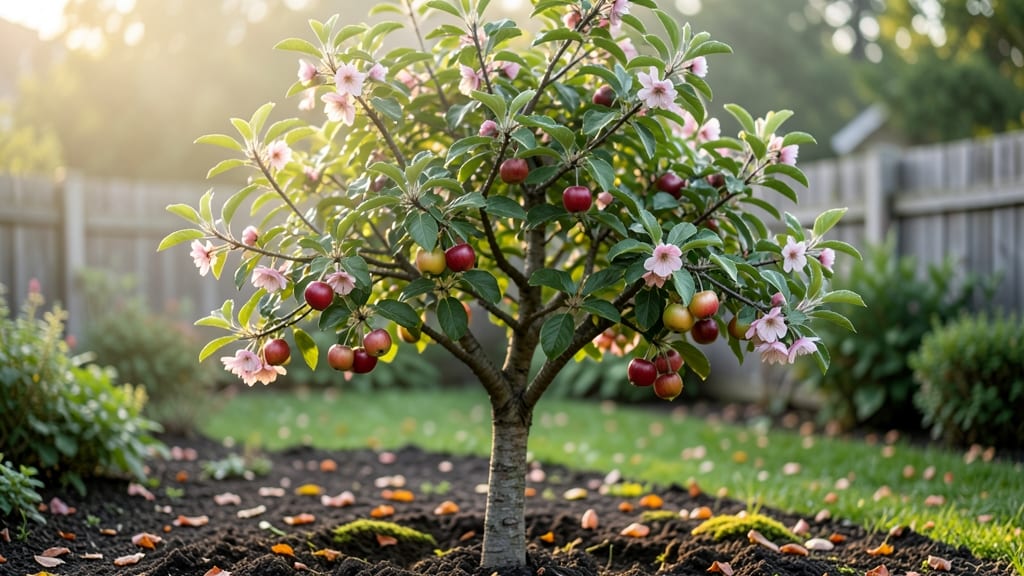
Michigan’s harsh winters demand crabapple trees that refuse to give up. ✨ I’ve planted three varieties here, and the ‘Adams’ and ‘Dolgo’ crabapples still stand tall after 20+ years of freeze-thaw cycles, while weaker varieties crumble. The secret isn’t just choosing the right tree—it’s how you prep it for dormancy.
These hardy varieties thrive in Michigan’s zones 4-6, but even the toughest need protection from late frosts and apple scab. Prune in late winter before buds swell, sterilize your tools to stop fungal spread, and mulch heavily to shield roots from temperature swings.
I’ve seen trees recover from -30°F with just this prep. By spring, you’ll get vibrant blooms that attract pollinators and fruit for wildlife—even if the harvest is small. The real payoff is the year-round structure they provide, with glossy foliage, striking bark, and persistent fruit that birds adore through winter.
For Michigan gardeners, the best varieties are native-adapted types like ‘Centennial’ or ‘Sargent’—they’ve already proven they can take our climate. Here’s how to keep yours thriving through the toughest seasons.
📚 In This Guide
- What you need
- Instructions
- Tips and common mistakes
- Wrapping up and next steps
What you need
- ● Pruning shears: Bypass pruners (for cuts up to ½ inch thick) – 1 pair (look for ergonomic, sharp blades like Fiskars or Felco).
- ● Loppers: Bypass or anvil-style (for branches ½ to 1.5 inches thick) – 1 pair (extendable loppers are a game-changer for tall trees!).
- ● Hand saw: Pruning saw with curved blade (for branches 1.5+ inches thick) – 1 (a Felco F-2 or Bahco is ideal).
- ● Disposable gloves: Heavy-duty, cut-resistant – 2-3 pairs (nitrile-coated for grip and protection).
- ○ Pruning sealant: Tree wound paint or pruning paste (optional but helpful for large cuts > ½ inch) – 1 small bottle (e.g., Tanglefoot Tree Wound Pruning Seal).
- ● Cleaning supplies: Rubbing alcohol (70%+) or bleach solution (1:9 ratio) – 1 small bottle (for sterilizing tools).
- ● Paper towels or rag – 1 roll (for wiping tools between cuts).
- ● Ladder or stump: Sturdy, extendable (if tree is > 6 feet tall) – 1 (aluminum Fiberglass ladders are safest).
- ● Heavy-duty trash bags: For debris removal – 2-3 bags (or a wheelbarrow if hauling far).
- ● Safety gear: Safety glasses – 1 pair (to shield from debris).
- ● Long sleeves/pants – 1 set (protects from scratches and thorns).
- ● Tree pruning guide: Michigan-specific (e.g., MSU Extension’s pruning guides) – 1 printed copy or digital (for reference).
- ● Sharpener: File or honing tool – 1 (to keep blades razor-sharp mid-pruning).
- ○ Marking spray: White or pink (for tagging branches to remove) – 1 small can (optional for large trees).
Step-by-step instructions for planting and caring for crabapple trees in Michigan
Michigan’s winters demand special prep—here’s how to plant and protect your crabapple for years of vibrant blooms.
🌱 Step 1: Choose the Right Michigan-Tough Variety
Opt for cold-hardy crabapple varieties like ‘Dolgo’ or ‘Sargent’, both rated for USDA Zone 4 (Michigan’s standard). These handle our brutal winters and still burst with spring color. Avoid tender varieties like ‘Royalty’—they’ll struggle with our -20°F dips. Check your local nursery for Michigan-grown bare-root stock in late fall or early spring when trees are dormant.
Here’s the thing—rootstock matters. Look for 1- to 2-year-old bare-root trees with well-developed roots and a sturdy 3- to 4-foot trunk. If the roots are dry or brittle, soak them in lukewarm water for 2-3 hours before planting. This jumpstarts hydration and gives roots a head start in our heavy clay soil.
🪴 Step 2: Plant in Well-Draining Soil with Proper Spacing
Dig a hole twice as wide as the root ball but no deeper—crabapples hate sitting too low. Michigan’s clay soil drains poorly, so mix the native soil with 3 inches of organic compost and a handful of bone meal for phosphorus (critical for root growth). This improves drainage while feeding hungry roots.
Position the tree so the graft union (visible bump near the base) sits 2-3 inches above soil level. This prevents rot during spring thaws. Space trees 15-20 feet apart—crowding leads to weak branches and disease. Backfill with the amended soil, tamping gently to remove air pockets. Water deeply until the soil 12 inches down feels moist.
☀️ Step 3: Protect Young Trees from Michigan’s Harsh Elements
After planting, wrap the trunk with tree guard (not plastic wrap—it traps moisture and causes rot). In Zone 4 winters, mound 6-8 inches of mulch (wood chips or straw) around the base, keeping it 6 inches away from the trunk. This insulates roots from freeze-thaw cycles that heave trees right out of the ground.
For the first two winters, add a burlap windbreak on the northwest side (where cold winds scour bark). You’ll see new bud swell in early spring—this is your cue that the tree survived. If buds stay dormant past mid-April, check for mouse gnawing (common in Michigan) and treat with castor oil-based repellent if needed.
✂️ Step 4: Prune for Structure and Winter Resilience
Prune dormant trees in late winter (February-March) before buds swell. Remove dead, crossing, or weak branches first—these are entry points for fire blight, a Michigan scourge. Cut back to a healthy outward-facing bud using clean, sharp pruners. Sterilize tools with 70% isopropyl alcohol between cuts to prevent disease spread.
Thin the canopy to let sunlight penetrate to the center—this prevents fungal issues like powdery mildew, which thrives in Michigan’s humid summers. Leave 3-4 main scaffold branches for a strong structure. Avoid heavy pruning—crabapples bloom on old wood, and aggressive cuts reduce next year’s flowers.
💧 Step 5: Water and Fertilize for Michigan’s Clay Soil Challenges
Water deeply once a week during the first growing season (May-September), aiming for 1-1.5 inches per week. Michigan’s clay holds moisture but also suffocates roots—amend soil annually with 2 inches of compost in early spring. Avoid overhead watering (it spreads disease), and use drip irrigation if possible.
Fertilize in early May with a balanced 10-10-10 formula (½ cup per year of tree age). Skip phosphorus-heavy fertilizers—Michigan’s soil already has plenty. You’ll know you’re on track when leaves stay deep green (not yellow) and new growth appears by mid-June. If leaves yellow, it’s a sign of iron deficiency—common in alkaline Michigan soil—so apply chelated iron in spring.
Tips & tricks for planting and protecting Michigan crabapple trees
Michigan’s climate throws unique challenges at crabapple trees—here’s how to give your tree the best shot at thriving through our winters.
Rootstock Prep: When you bring home your bare-root crabapple, don’t rush the planting. The 2-3 hours of lukewarm water soaking isn’t just about hydration—it’s about waking up those dormant roots. I’ve seen trees with brittle roots completely revive after this step, while dry roots often lead to poor establishment. Pro tip: Use rainwater or distilled water if possible, as tap water’s chlorine can stress tender roots.
Soil Amendments: Michigan’s heavy clay soil is notorious for suffocating roots, but the 3 inches of organic compost and bone meal in Step 2 aren’t just random numbers. That bone meal provides phosphorus for root development, while compost improves drainage. For even better results, mix in a handful of perlite to create air pockets—this is especially helpful if your yard has compacted soil. The goal is to mimic the tree’s natural forest floor environment.
Winter Protection: The 6-8 inches of mulch around your tree’s base isn’t just decoration—it’s insulation against Michigan’s brutal freeze-thaw cycles. Here’s what I’ve learned: use wood chips or straw (not leaves or grass clippings), and keep it 6 inches away from the trunk to prevent rot. For extra protection in your first two winters, add a burlap windbreak on the northwest side—this is where our cold winds will scour the bark. I’ve seen trees survive -20°F winters with this protection that would otherwise have suffered frost cracks.
Pruning Timing: The late winter pruning window (February-March) is critical because it lets you work before buds swell, but there’s more to it. Michigan’s fire blight risk means you should prune on dry, sunny days when tools are clean and tools are sterilized between cuts. I’ve seen entire orchards lost to fire blight because pruners weren’t cleaned properly—sterilizing with 70% isopropyl alcohol isn’t optional, it’s essential. Also, look for bud swell in early spring as your success indicator—this means the tree survived winter.
Pro Tips for Crabapple Tree Michigan
- Michigan’s climate throws unique challenges at crabapple trees—here’s how to give your tree the best shot at thriving through our winters.
- Rootstock Prep: When you bring home your bare-root crabapple, don’t rush the planting.
- Soil Amendments: Michigan’s heavy clay soil is notorious for suffocating roots, but the 3 inches of organic compost and bone meal in Step 2 aren’t just random numbers.
Frequently asked questions
Got questions about crabapple trees in Michigan?
You’re not alone! Here are answers to the most common queries—from pruning to pests—to help you keep your tree thriving in the Great Lakes state.
When is the best time to prune a crabapple tree in Michigan?
Late winter to early spring (February–March) is ideal for Michigan’s crabapple trees. Prune before buds swell but after harsh winter freezes to reduce stress. Avoid pruning in fall, as it invites disease . For severe damage, light pruning in summer (June–July) may help, but prioritize dormant-season care.
Why do my crabapple leaves have holes, and how do I fix it?
Those chewed leaves? Likely crabapple fruit moths or Japanese beetles—common pests in Michigan. Act fast: Handpick larvae, use neem oil (spring/fall), or apply Bt (Bacillus thuringiensis) for caterpillars. For beetles, milky spore or pyrethrin sprays work well.
Can crabapple trees survive Michigan’s winters without extra care?
Most Michigan-hardy varieties (like 'Adirondack’ or 'Dolgo’) tolerate winters down to -30°F, but young trees or weak branches may need wrapping in burlap or tree guards for the first few years. Avoid heavy snow buildup—gently brush off branches to prevent breakage.
What’s the difference between pruning for flowers vs. fruit on crabapple trees?
Crabapple trees produce both! To boost flowers, prune lightly to open the canopy for sunlight. For fruit, remove dead wood and suckers in winter, then thin out crowded branches in summer to improve air flow (reduces rot ). Focus on structural cuts first—healthier trees = better blooms and fruit!
Are there disease-resistant crabapple varieties for Michigan?
Opt for fire blight-resistant types like 'Sargent’ or 'Centennial’, or apple scab-tolerant varieties such as 'Adams’. Always buy from Michigan-grown nurseries to ensure local adaptability. Pro tip: Space trees 15–20 feet apart to improve airflow and deter fungal spread.
Can I grow a crabapple tree in a container in Michigan?
Yes, but with limits! Dwarf varieties like 'Cornus florida ‘Cherokee Brave’’ (not a true crabapple but similar) or 'Centennial’ (with careful pruning) can thrive in large containers (20+ gallons). Use well-draining soil, winterize with insulation, and move to partial shade in summer. Expect smaller fruit/harvest.
Wrapping up and next steps
Michigan’s crabapple trees thrive with the right dormant-season care—pruning at the perfect time, choosing hardy varieties, and following best practices ensures years of vibrant blooms and sturdy growth. Whether you’re trimming for shape, health, or fruit, these tricks will keep your tree strong and stunning through Michigan’s winters. 🌳❄️
Ready to give your crabapple tree the love it deserves? Grab your pruners, check the calendar, and get started—your tree (and future fruit!) will thank you. Pro tip: Snap a photo of your tree’s shape before pruning for a handy reference!