
Trees
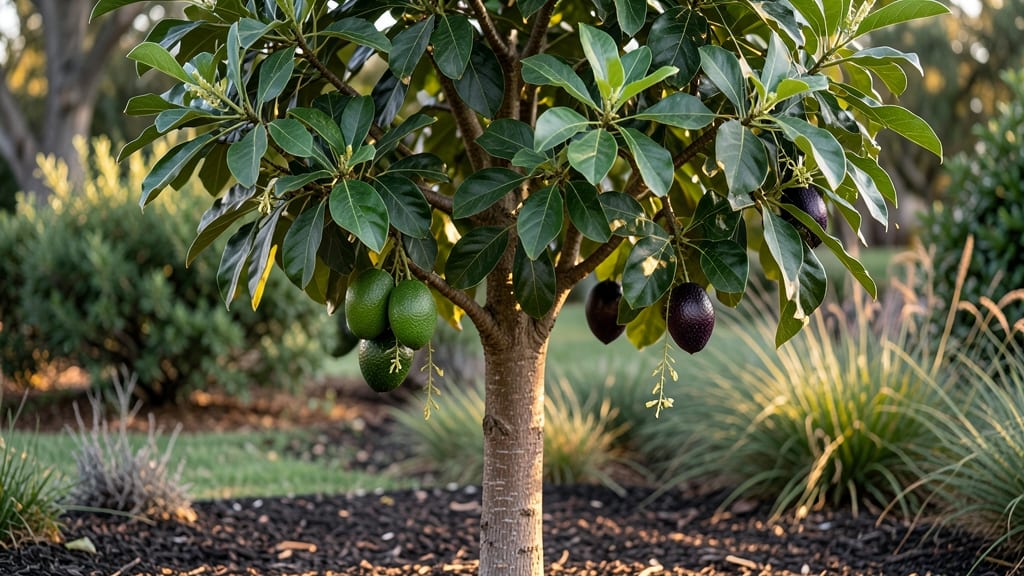
Cold hardy avocado trees thrive in Zone 7 with proper winter protection, using varieties like 'Mexicola' or 'Wurtz,' which tolerate brief dips to 15°F. Plant in sheltered microclimates, mulch heavily, and wrap trunks to prevent frost damage while ensuring full sun exposure year-round.
Growing avocados in Zone 7 is absolutely possible with the right approach—it's all about selecting frost-tolerant varieties and creating a protective environment. 🌿 The key is choosing cold-resistant cultivars like 'Mexicola' or 'Wurtz,' which have developed thicker leaves and deeper root systems to withstand brief cold snaps.
These varieties can handle temperatures down to 15°F when properly protected, making them ideal for gardeners in Zone 7 who want to enjoy homegrown avocados.
The secret lies in combining the right plant selection with strategic winter care, such as heavy mulching and trunk wraps, to give your tree the best chance of survival during colder months.
Beyond variety selection, microclimate matters more than the official zone rating. South-facing slopes or areas protected by buildings and windbreaks create warmer pockets where avocado trees can thrive.
I've found that even in Zone 7's cooler winters, these trees can produce fruit reliably when given the right conditions—just don't expect the same yield as tropical climates.
The payoff comes in the form of unique, locally grown avocados that you can't find in stores, plus the satisfaction of successfully growing something most people think is impossible in colder regions.
💡 In This Article
- How Cold Hardy Avocado Varieties Survive Zone 7 Winters
- Zone 7 Avocado Tree Planting and Winter Care Checklist
How cold hardy avocado varieties survive Zone 7 winters
Cold-hardy avocado varieties like 'Mexicola' and 'Wurtz' have evolved unique physiological adaptations that let them endure Zone 7 winters. Their thicker, waxier leaves reduce water loss and protect against frost damage, while deeper root systems (extending 3-5 feet down) tap into warmer soil layers.
These adaptations allow them to survive brief temperature drops to 15°F—a remarkable feat for tropical plants. 🌱 The key difference lies in their genetic makeup: these varieties originate from higher elevations in Mexico's Sierra Madre mountains, where they naturally experience cooler nights.
The science behind their cold tolerance involves a process called cold acclimation. During fall, these trees gradually adjust their metabolism to produce protective compounds like proline (an amino acid that stabilizes cell membranes) and sugars that act as antifreeze.
Unlike tropical avocados that die at 32°F, cold-hardy types can withstand light frosts because their cells remain flexible and hydrated. For example, 'Mexicola' leaves often show minimal frost damage even after 20°F nights, while tropical varieties would suffer severe leaf burn.
Another critical factor is chilling hours—the number of hours below 45°F that trees need to trigger flowering. Cold-hardy avocados require 200-400 hours of chilling, which Zone 7 winters typically provide.
This adaptation ensures they bloom properly in spring, unlike tropical varieties that may fail to fruit without sufficient cold exposure. The trade-off? These hardier types produce smaller fruit than tropical avocados, but their reliability in Zone 7 makes them worth growing.
Hybrid vigor plays a role too. Varieties like 'Hass' (when grafted onto cold-hardy rootstock) combine the best traits: the fruit quality of tropical types with the frost tolerance of Mexican strains.
The grafted trunk acts as a bridge, allowing the cold-sensitive top growth to survive through the hardy root system's protective mechanisms. This is why many successful Zone 7 avocado growers use hybrid approaches rather than pure tropical varieties.
What most people don't realize is that these trees actually benefit from mild winter chilling. The cold period helps break dormancy and synchronizes flowering with pollinators. Without it, trees may produce sparse or irregular fruit.
In Zone 7, where winters average 30-40°F, this natural chilling cycle works perfectly—just don't let temperatures drop below 15°F for extended periods, or even the hardiest varieties will struggle.