
Container Gardens
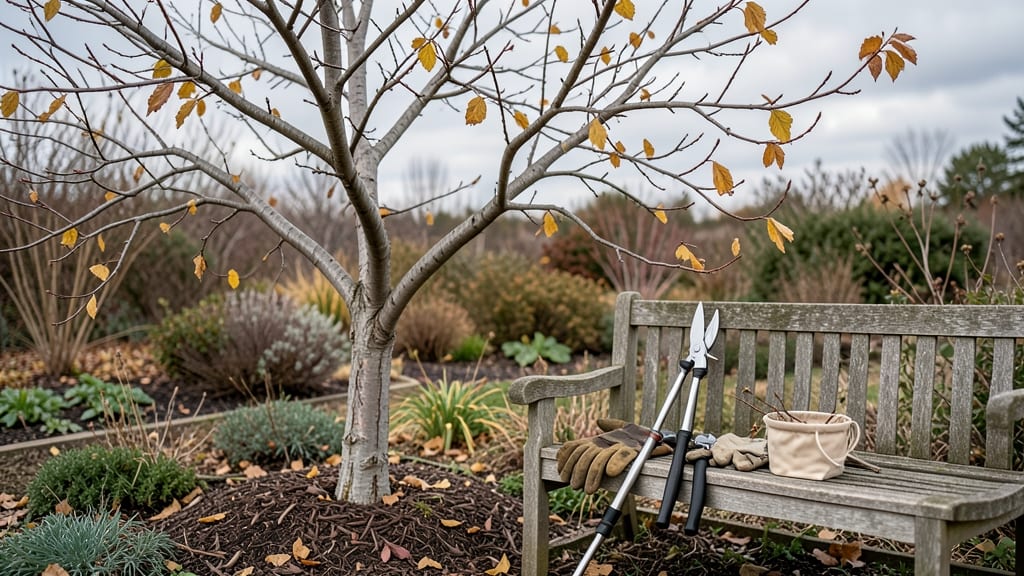
You shouldn't prune a redbud tree in the fall because it triggers vulnerable new growth that can't survive winter's cold, leading to frost damage. Instead, prune during late winter or early spring—just as buds begin to swell—for the healthiest results and strongest regrowth.
Redbud trees are sensitive to late-season cuts because their growth cycle doesn't align with fall's cooling temperatures. 🌳 When you prune in autumn, the tree responds by sending out tender shoots that lack time to harden off—a process called acclimation—before winter arrives.
This leaves them vulnerable to frost, which can blacken leaves or even kill the new growth entirely. The best approach is to wait until late winter or early spring, when the tree is still dormant but the buds are swelling, signaling it's ready to support new growth safely.
This timing also minimizes stress on the tree, as it enters its active growing season prepared rather than shocked by sudden pruning. For optimal results, use sharp pruning shears to make clean cuts just above the branch collar, and remove any dead or crossing branches during this window.
The key is patience—letting nature guide the timing ensures your redbud thrives for years.
💡 In This Article
- Why Fall Pruning Damages Redbud Trees
- Best Times and Techniques for Redbud Tree Pruning
Why fall pruning damages redbud trees
Redbud trees (Cercis canadensis) rely on a precise biological rhythm to survive winter, and fall pruning disrupts this critical process. When you cut branches in autumn, the tree interprets this as a signal to produce new growth—even as temperatures drop.
This late-season growth lacks time to undergo acclimation, a natural hardening process where cells adjust to cold by increasing sugars and reducing water content. Without this preparation, tender new shoots become sitting ducks for frost, often turning black or dying back entirely. 🌱
The risk isn't just frost damage—fall pruning also opens wounds when fungal spores are airborne. Redbuds are particularly susceptible to diseases like anthracnose and powdery mildew in autumn, as these pathogens thrive in the damp, cooling conditions.
Unlike hardy oaks or maples, redbuds have thinner bark and more delicate branch structures, making them more vulnerable to infections through fresh cuts. The tree's natural defenses are already weakened as it prepares for dormancy, so any stress from pruning compounds this risk.
Another key factor is how redbuds differ from other trees in their dormancy cycle. While some species like fruit trees can handle light pruning in late fall, redbuds enter a deeper dormancy phase earlier.
Their buds begin swelling as early as February in most climates, signaling the tree's readiness to grow. Pruning before this window forces the tree to "wake up" prematurely, depleting stored energy reserves that should be conserved for spring growth.
This premature activation can leave the tree exhausted and more susceptible to winter stress.
Consider this comparison: Pruning a redbud in October is like telling a hibernating bear to go hunting in December—it simply isn't equipped to handle the conditions.
The tree's metabolic processes are already slowing down, and any new growth produced will be soft and water-rich, with cell walls that lack the protective suberin layers developed during proper acclimation.
In contrast, spring-pruned redbuds produce growth that's already adapted to seasonal changes, with thicker cell walls and higher sugar content for cold resistance.
What most gardeners don't realize is how quickly these issues manifest. Within just 2-3 weeks of fall pruning, you might notice new shoots emerging—only to see them wilt or turn brown as temperatures dip below 25°F.
The damage isn't always immediate; sometimes it takes until the following spring when the tree fails to produce vigorous new growth. This delayed impact makes fall pruning particularly insidious, as the consequences may not be obvious until it's too late to correct them.
The science behind this involves plant hormones called cytokinins and abscisic acid. Fall pruning triggers cytokinins (growth promoters) while abscisic acid (which prepares plants for dormancy) is still dominant. This hormonal conflict stresses the tree, making it more susceptible to environmental stressors.
In ideal conditions—late winter pruning—the tree's natural hormone balance aligns with seasonal changes, allowing for healthier regrowth. 🌿