
Trees
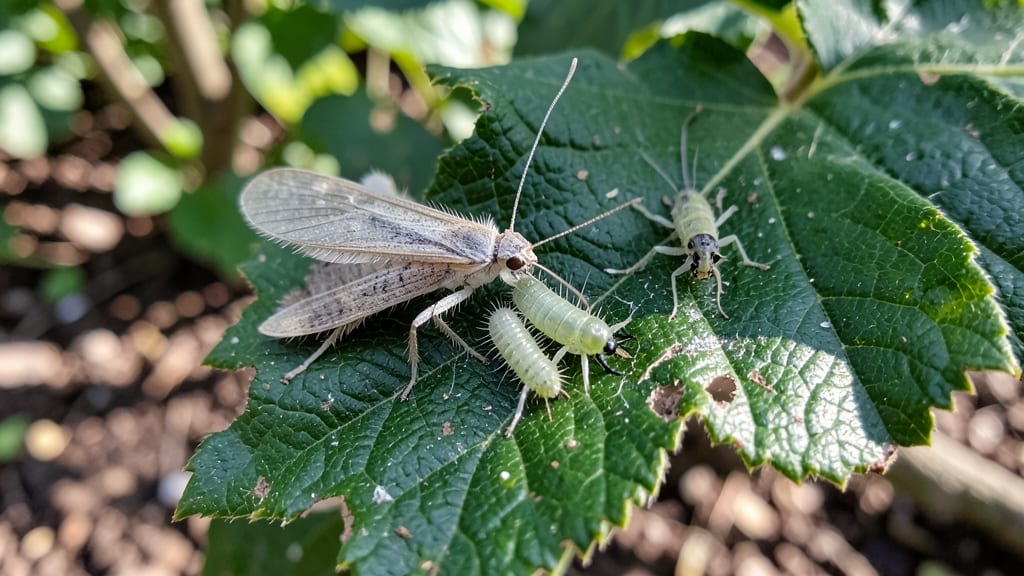
The bugs eating your apple tree leaves are turning your harvest dreams into a chewed-up nightmare, but don’t panic—there’s a natural way to fight back. 🌿 The good news? You don’t need harsh sprays to win this battle—just the right organic strategies to protect your tree’s health and future fruit.
Most leaf-munching pests like aphids, tent caterpillars, or apple maggots leave telltale signs: chewed edges, sticky residue, or tiny webs. I’ve seen firsthand how early action—like pruning damaged branches or introducing beneficial insects—can stop an infestation before it ruins your crop.
By the time you’re done reading, you’ll know exactly which pests are attacking, how to identify them, and the foolproof organic methods to keep your tree thriving. No chemicals, just smart, sustainable solutions that work year after year. The best part?
These techniques prevent future problems too, so you can enjoy juicy, blemish-free apples without the worry. Let’s get your tree back to its lush, pest-free glory.
Root Causes Of Leaf Munching
When you spot your apple tree’s leaves looking like Swiss cheese or covered in tiny holes, it’s not just a matter of aesthetics—it’s a sign that pests are feasting on your tree’s hard-earned energy.
Understanding why these critters target your apple tree is the first step to outsmarting them. Below, we break down the most common reasons behind the leafy buffet, complete with the science behind their appetites.
Apple trees are like all-you-can-eat buffets for insects, especially during their growing season. Many pests, such as aphids, leafrollers, and tent caterpillars, are attracted to the high nitrogen content in young, tender leaves. These nutrients make leaves an ideal food source for rapid reproduction and growth.
Additionally, some insects—like the apple maggot—are drawn to the tree’s scent and fruit emissions.
Once they find a host, they lay eggs on the leaves, ensuring their offspring have a built-in meal plan. Overcrowded trees or weak foliage (often from poor pruning or disease) make it even easier for pests to establish themselves.
A healthy apple tree is resilient, but stress makes it irresistible to pests. Stressors like:
- Drought or overwatering: Both extremes weaken the tree’s defenses, making leaves more susceptible to damage.
- Poor soil nutrition: A lack of key nutrients (like nitrogen, phosphorus, or potassium) reduces leaf toughness, making them easier targets.
- Disease or fungal infections: Fungal spots or bacterial blights create entry points for insects, which may feed on the compromised tissue.
- Physical damage (e.g., hail, improper pruning): Broken branches or torn leaves attract pests looking for easy access to sap or soft tissue.
Pro Tip: 🌡️ Regularly check your tree’s soil moisture and leaf color—yellowing or wilting leaves are red flags for stress.
Many leaf-eating pests have specific life cycles tied to your apple tree’s growth stages. For example:
- Early spring: Woolly aphids and apple bud moths emerge as buds swell, targeting new growth.
- Late spring to summer: Japanese beetles and leafhoppers feast on mature leaves, often in large clusters.
- Fall: Caterpillars (like the redbanded leafroller) prepare for winter by munching on leaves to store energy.
If you notice new damage appearing in waves, it’s likely tied to a pest’s reproductive cycle. Timing is everything—intervening early (e.g., before eggs hatch) can prevent an infestation.
Sometimes, the problem isn’t just the tree—it’s the environment around it. Factors like:
- Nearby weeds or wild plants: Many pests (e.g., aphids) use weeds as a staging ground before moving to your apple tree.
- Lack of natural predators: Birds, ladybugs, and parasitic wasps keep pest populations in check. If these helpers are missing (due to pesticides or habitat loss), pests thrive.
- Wind or pollen drift: Some insects, like apple maggots, hitch rides on wind currents or pollinators to reach new trees.
- Improper mulching or irrigation: Overly moist soil can attract slugs and beetles, while poor mulch practices may harbor pest eggs.
Pro Tip: ✨ Plant companion plants like dill, fennel, or marigolds near your apple tree to attract beneficial insects that prey on leaf munchers.
Now that you know why these pests are crashing your tree’s party, the next step is learning how to evict them—naturally! 🚫🐛
Natural Ways to Stop Leaf Munchers
Now that you know which pests are feasting on your apple tree’s leaves, it’s time to take action! The good news? You don’t need harsh chemicals to reclaim your tree’s health. Below are targeted, eco-friendly solutions for the most common culprits—plus prevention tips to keep your tree thriving long-term.
Aphids may be tiny, but their damage adds up fast. These sap-sucking pests leave behind sticky residue (honeydew) that attracts mold and weakens your tree.
🔥 Quick Fixes
- Blast Them Away 💦: Use a strong stream of water from your hose to knock aphids off leaves. Repeat every few days until they’re gone.
- Neem Oil Spray 🌿: Mix 1 tbsp neem oil + 1 tsp mild soap in 1 quart of water.
Spray early morning or late evening to avoid harming bees. - Ladybugs to the Rescue 🐞: Release beneficial ladybugs (available at garden centers) to eat aphids naturally.
💡 Prevention Tips
- Encourage Natural Predators: Plant marigolds or dill nearby to attract aphid-eating wasps and lacewings.
- Prune Regularly: Remove heavily infested leaves and dispose of them in sealed bags (not compost).
These fuzzy caterpillars spin silky webs and devour leaves in days. If left unchecked, they can defoliate your tree entirely.
🍳 Manual Removal (Best for Small Infestations)
- Handpick Larvae 👨🍳: Wear gloves and pluck caterpillars off branches, dropping them into soapy water.
- Disrupt the Webs 🕸️: Gently tear webs with a stick—this exposes caterpillars to predators like birds.
🔪 Organic Sprays
- Bacillus thuringiensis (Bt) 💊: A bacteria-based spray that’s safe for humans and pets but deadly to caterpillars. Reapply after rain.
- Spinosad Spray 🌱: Derived from soil bacteria, this targets caterpillars without harming bees (apply at dusk).
⏰ Timing Is Key
- Monitor Egg Masses 🔍: In late winter, scrape off egg sacs (they look like gray blobs on branches) before they hatch.
- Use Pheromone Traps 🎯: Place traps in early spring to disrupt mating cycles.
Japanese beetles chew notches out of leaves, leaving a lacy skeleton behind. They’re aggressive and multiply fast.
🌿 Trap & Trap Again
- Milky Spore Treatment 🌱: Apply milky spore powder to soil in early summer to establish long-term beetle control (takes 2–3 years to fully work).
- Handpick & Drop 🕷️: Fill a bucket with soapy water and shake beetles into it—do this in the early morning when they’re sluggish.
🚫 Avoid Chemical Traps (They Spread Beetles!)
- Skip Commercial Traps: These attract more beetles to your tree. If you use them, place them far from your apple tree (at least 30 feet away).
🌡️ Heat & Cold Tricks
- Freeze Them ❄️: Cover infested branches with a tarp and place ice bags on top overnight to kill beetles.
- Boiling Water 🔥: Pour boiling water down the trunk to deter beetles from climbing.
While they don’t eat leaves, apple maggots lay eggs in fruit, leading to rot. Preventing them protects your tree’s overall health.
🍎 Fruit Protection First
- Wrap Trunks 🛡️: Cover the trunk with tree collars (sticky barriers or aluminum foil) to block adult flies from laying eggs.
- Remove Fallen Fruit 🧹: Clean up dropped apples from the ground in autumn—they’re breeding grounds for maggots.
🌿 Organic Sprays for Adult Flies
- Kaolin Clay 🏺: Spray on leaves/fruit to create a barrier flies avoid (also deters other pests).
- Pyrethrin Spray 💨: Derived from chrysanthemums, this disrupts maggot development (use sparingly, as it’s toxic to bees).
No matter the pest, a strong tree resists damage better. Try these preventive care tips:
- 💡 Mulch Properly: Apply 2–3 inches of organic mulch (wood chips, straw) around the base to retain moisture and deter pests. - 🌿 Water Deeply: Deep watering (1–2 inches per week) encourages root growth, making trees less stressed and more resilient. - 🍃 Balance Fertilizer: Over-fertilizing attracts pests.
Use a slow-release organic fertilizer in early spring. - 🐦 Welcome Wildlife: Install birdhouses or bat boxes—both help control insect populations naturally.
Pro Tip ✨: Rotate methods if pests return. Overusing one solution can lead to resistance, so mix up your approach seasonally.
By acting fast and using these natural, effective strategies, your apple tree will bounce back—leaves lush and pest-free! 🍏🌿
Frequently asked questions
What are the most common bugs that eat apple tree leaves?
The top culprits include aphids (tiny green/black insects), tent caterpillars (fuzzy, web-spinning larvae), Japanese beetles (metallic green/black with white spots), and leafrollers (caterpillars that fold leaves into tubes). Each leaves distinct damage patterns—aphids cause curling, caterpillars create holes, and beetles chew jagged edges.
How do I tell if my apple tree is stressed, making it more vulnerable to pests?
Look for yellowing leaves, wilting branches, or thin canopy—these are red flags. Check soil moisture (too dry or soggy weakens roots) and inspect for fungal spots (black/dark patches). A stressed tree can’t fight off pests as effectively, so address watering, pruning, or nutrient imbalances first.
Can I use homemade sprays to protect my apple tree leaves?
Yes! Try a soapy water spray (1 tsp mild soap + 1 quart water) for aphids or a garlic-chili spray (blend 2 cloves garlic + 1 tbsp cayenne + 1 quart water, strain, and spray). These disrupt pests’ feeding habits. Always test sprays on a small leaf first and reapply after rain.
Will pruning help stop bugs from eating my apple tree leaves?
Prune damaged or infested branches in late winter/early spring to remove hiding spots and improve airflow. Focus on thinning the canopy (remove crossing branches) and opening the center
Are there any companion plants that repel leaf-eating bugs?
Plant marigolds, dill, or fennel near your apple tree—their strong scents repel many pests while attracting beneficial insects like ladybugs and lacewings. These plants also improve soil health, giving your tree an extra boost. Avoid planting mint or lavender too close, as they can compete with apple trees for nutrients.