
How To
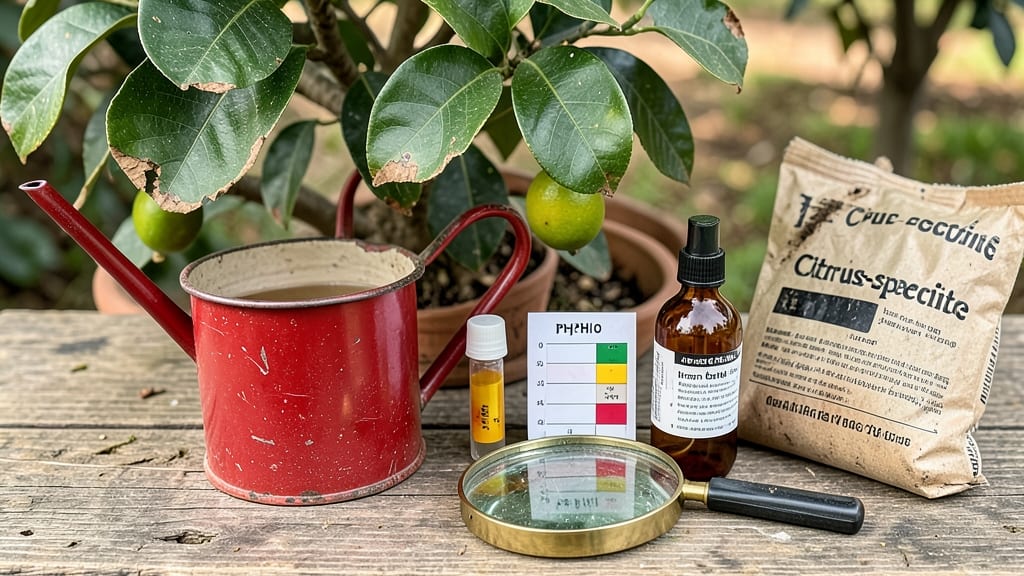
Brown tips on your mandarin tree leaves mean one thing: your citrus is crying out for help. 🌿 I’ve nursed back more than a few struggling trees with this exact issue, and the fix isn’t as complicated as it seems—just a few targeted adjustments to water, nutrients, and environment.
The good news? You can often reverse the damage within weeks if you act now.
Most cases stem from overwatering (the #1 killer of citrus) or a zinc/manganese deficiency, but environmental stress like dry air or sudden temperature swings plays a role too. The brown tips start crispy, then spread inward—if you catch it early, you can stop it dead in its tracks.
My first step? Always checking the soil moisture before assuming the worst.
Here’s the game-changer: a balanced citrus fertilizer (high in zinc and manganese) applied every 4-6 weeks, paired with watering only when the top 2 inches of soil are dry. I’ve seen trees go from ragged to lush in just 3 months with this simple tweak.
The key is consistency—citrus trees are finicky but forgiving if you meet their basic needs.
If the tips keep spreading despite your efforts, it might be time to test your soil pH (citrus prefers 6.0-7.0) or consult a local extension office. Most home gardeners can fix this without professionals, but knowing when to call in backup saves time—and your tree’s life.
Underlying Causes Of Leaf Discoloration
When your mandarin tree’s leaves start developing brown tips, it’s rarely a random act of nature—it’s a cry for help from the tree. 🌿💦 Understanding the root causes is the first step to restoring your citrus tree’s health.
Below, we break down the most common triggers, explained in simple terms with actionable insights.
Mandarin trees are drought-tolerant, but excess moisture can suffocate roots, leading to brown, crispy leaf edges. Here’s why:
- Root suffocation: Soggy soil cuts off oxygen, forcing roots to "gasping" for air. Without proper aeration, nutrients can’t reach the leaves, causing marginal browning.
- Salt buildup: Overwatering flushes out nutrients but leaves behind sodium and chloride residues in the soil. These salts accumulate in leaf tissue, burning the tips.
- Fungal infections: Waterlogged roots create a breeding ground for Phytophthora or Fusarium, pathogens that clog root vessels and disrupt water/nutrient flow.
Actionable fix:
- Test soil moisture by sticking your finger 2 inches deep—water only when dry.
- Amend heavy clay soil with perlite or coarse sand (20% mix) to improve drainage.
- Ensure pots have drainage holes; raise containers slightly off the ground.
Brown tips often signal a nutritional mismatch. Two key culprits:
🔹 Excessive Fertilizer Salinity
Over-fertilizing—especially with synthetic salts (like urea or ammonium-based fertilizers)—can burn leaf edges. Here’s the science:
- High salt concentrations in soil osmotically stress roots, preventing water uptake.
- Leaves lose turgor pressure, causing tips to curl and brown (a process called marginal necrosis).
- Young leaves are most vulnerable because they’re still developing.
🔹 Iron Deficiency (Chlorosis + Browning)
Even with enough water, low iron (common in alkaline soils) blocks chlorophyll production. Brown tips on new growth often accompany:
- Yellowing between veins (interveinal chlorosis).
- Thin, brittle leaves that crisp at the edges due to poor cell wall integrity.
Actionable fix:
- Flush soil with chelated iron (e.g., iron sulfate or EDTA-iron) every 3 months.
- Use acid-loving fertilizer (pH 6.0–7.0) like citrus-specific blends or fish emulsion.
- Avoid "quick-release" fertilizers; opt for slow-release granules to prevent salt shock.
Mandarin trees are tropical but still struggle with extreme conditions. Brown tips can result from:
🔥 Heat Stress + Transpiration Imbalance
High temperatures increase transpiration rates (water loss through leaves), but roots may not keep up. This causes:
- Edge burn: Water evaporates faster from leaf margins, leaving tips dry and brown.
- Stomatal closure: Leaves "shut down" to conserve water, but this halts nutrient transport, leading to browning.
🌬️ Wind Scorch
Dry, gusty winds desiccate leaf surfaces, especially on exposed branches. The tips lose moisture faster than the center, turning crunchy and brown.
💨 Low Humidity
Airborne moisture below 40% humidity forces leaves to work overtime, accelerating nutrient depletion at the edges.
Actionable fix:
- Provide afternoon shade (30–50% shade cloth) during peak heat (10 AM–4 PM).
- Mulch with straw or wood chips to retain soil moisture and reduce temperature fluctuations.
- Mist leaves early morning (avoid evening to prevent fungal growth).
- Use windbreaks (e.g., burlap screens) for outdoor trees.
While less common, pests and pathogens can mimic nutrient deficiencies by disrupting leaf function:
🦟 Spider Mites or Scale Insects
These sap-suckers extract nutrients from leaves, causing:
- Stippling (tiny white/yellow dots) that progresses to brown, dry edges.
- Stunted growth and premature leaf drop.
🍄 Fungal Leaf Spot (e.g., Alternaria or Cercospora)
Fungal spores thrive in wet, humid conditions, creating:
- Dark brown/black spots with yellow halos, often at leaf margins.
- Leaves may crisp and die if untreated.
Actionable fix:
- Inspect leaves for webbing (mites) or sticky residue (scale); treat with neem oil or insecticidal soap.
- Prune infected leaves and apply copper fungicide (e.g., Bordeaux mixture) at first sign of spots.
- Improve air circulation by thinning dense foliage.
Pro Tip: 💡 Keep a symptom journal—note when browning starts (e.g., after watering, heatwave, or fertilizer). Patterns reveal the exact cause faster!
Fixing brown leaf tips naturally
Now that you know the root causes behind those unsightly brown tips on your mandarin tree’s leaves, let’s roll up our sleeves and tackle the problem head-on! The good news?
Most fixes are simple, cost-effective, and require minimal effort. Below, we’ve broken down practical solutions tailored to each common cause—plus prevention tips to keep your citrus tree thriving long-term.
If your mandarin tree is drowning in soggy soil, the first step is correcting watering habits and improving drainage.
🔥 Step 1: Adjust Your Watering Routine
- Let the soil dry out between waterings. Stick your finger 1–2 inches deep into the soil—if it’s damp, wait another day.
- Water deeply but less frequently.
A slow drip (10–15 minutes) encourages roots to grow deeper, reducing surface-level rot. - Morning watering is best. This gives leaves time to dry before evening, preventing fungal issues.
🍳 Step 2: Improve Soil Drainage
- Amend heavy or clay soil with perlite, sand, or compost (50/50 mix) to create air pockets.
- Raise containers slightly off the ground (use pot feet or bricks) to prevent water pooling.
- Check for drainage holes—if your pot lacks them, drill a few at the bottom.
💡 Pro Tip:
If your tree is already in waterlogged soil, stop watering for 3–5 days to let roots recover. Monitor for wilting—if leaves droop, it’s a sign of stress.
Brown, crispy tips from sun or wind damage are often reversible with better protection.
👨🍳 Step 1: Gradual Sun Exposure
- Acclimate young trees to full sun by starting with morning sun only, then slowly increasing exposure over 2 weeks.
- Use shade cloth (30–50%) if your tree is in intense afternoon sun (11 AM–3 PM).
🥘 Step 2: Wind Protection
- Plant near a fence or trellis to block harsh winds.
- Group citrus trees together—they create a microclimate that reduces stress.
- Prune branches that are flopping excessively in the wind.
✨ Prevention Tip:
Mulch around the base with wood chips or straw to retain moisture and protect roots from drying winds.
Brown tips from zinc, iron, or nitrogen deficiency need a targeted fix—but overdoing it can burn roots!
🔪 Step 1: Soil Test First (If Possible)
- Grab a DIY soil test kit (or send a sample to a local extension office) to confirm deficiencies.
- Quick fixes for common deficiencies:
- Zinc deficiency? Sprinkle zinc sulfate (1 tsp per gallon of water) monthly.
- Iron deficiency? Use chelated iron (like Ironite) or apply Epsom salt (1 tbsp per gallon).
- Nitrogen deficiency? Switch to a balanced citrus fertilizer (6-6-6 or 8-3-9 ratio).
⏰ Step 2: Fertilize on a Schedule
- Spring & summer: Fertilize every 4–6 weeks with a citrus-specific formula.
- Fall & winter: Reduce to once every 2 months—citrus trees rest in cooler months!
- Avoid over-fertilizing—this causes salt buildup, which worsens brown tips.
📊 Pro Tip:
Organic options work too! Try fish emulsion, compost tea, or worm castings for a gentler nutrient boost.
If pests (like spider mites) or fungal issues are to blame, early intervention is key.
🔥 Step 1: Identify the Culprit
- Spider mites? Look for tiny webs on undersides of leaves.
- Fungal spots? Check for yellow halos around brown tips (sign of anthracnose).
- Scale insects? Wipe leaves with rubbing alcohol to see if bugs slide off.
🍳 Step 2: Treat Accordingly
| Problem | Solution |
|---|---|
| Spider mites | Spray with neem oil (1 tsp per quart of water) or insecticidal soap. |
| Fungal disease | Apply copper fungicide or baking soda spray (1 tbsp baking soda + 1 tsp oil + 1 gallon water). |
| Scale insects | Scrape off with a soft brush or use horticultural oil. |
💡 Prevention Tip:
Keep your tree healthy—stressed trees attract pests! Prune for airflow, avoid overhead watering, and inspect leaves weekly.
If your mandarin tree is struggling with extreme heat, cold, or dry air, tweak its surroundings.
🔥 Step 1: Protect from Cold Snaps
- Move potted trees indoors (or to a garage) if temps drop below 25°F (-4°C).
- Cover with frost cloth if outdoor planting is unavoidable.
🥘 Step 2: Boost Humidity
- Mist leaves daily in hot, dry climates (early morning is best).
- Use a pebble tray under the pot—fill a tray with water and pebbles, then place the pot on top.
✨ Long-Term Fix:
If you’re in a desert or arid zone, consider drip irrigation to keep roots consistently moist without overwatering.
Final Thought: Most brown-tip issues are quick to fix—but consistency is key! Monitor your tree’s progress, adjust as needed, and soon, those leaves will be lush and green again. 🌿✨
Frequently asked questions about mandarin tree leaf tips
Why do my mandarin tree leaves only have brown tips and not full browning?
Brown tips (called marginal necrosis) usually appear first because leaf edges lose moisture and nutrients faster than the center. This often signals overwatering, low humidity, or nutrient deficiencies like zinc or manganese. The good news? It’s often an early warning sign you can fix before the damage spreads!
Can I prune off the brown tips to help my tree recover?
Yes, but do it carefully! Prune only the dry, crispy tips with clean, sharp shears—never more than 1/3 of the leaf at a time. This helps the tree focus energy on healthy growth. Avoid pruning when leaves are still green, as this can stress the tree further. Always sterilize your tools with rubbing alcohol first!
How do I know if my mandarin tree needs more water or less?
Check soil moisture by sticking your finger 2 inches deep. If it feels damp, your tree has too much water. If it’s bone dry, it needs hydration. For potted trees, weigh them—if they feel light, they’re thirsty. Brown tips from overwatering often appear with yellowing between veins, while underwatering causes crispy edges with wilting leaves.
Will Epsom salt help my mandarin tree's brown tips?
Epsom salt (magnesium sulfate) can help if your tree has a magnesium deficiency, but it’s not a cure-all. Mix 1 tablespoon per gallon of water and apply monthly. For brown tips, focus first on zinc or manganese (use chelated forms) or iron if leaves are also yellowing. Test your soil to target the real issue!
How long does it take to see improvement after fixing the problem?
With proper care, you’ll often see new growth in 4-6 weeks, with existing leaves improving in 6-8 weeks. The key is consistency—adjust watering, fertilize correctly, and protect from stress. If brown tips keep spreading, it may signal a deeper issue like root rot or soil pH problems (citrus prefers 6.0-7.0). Don’t give up after a few weeks!