
Flowers
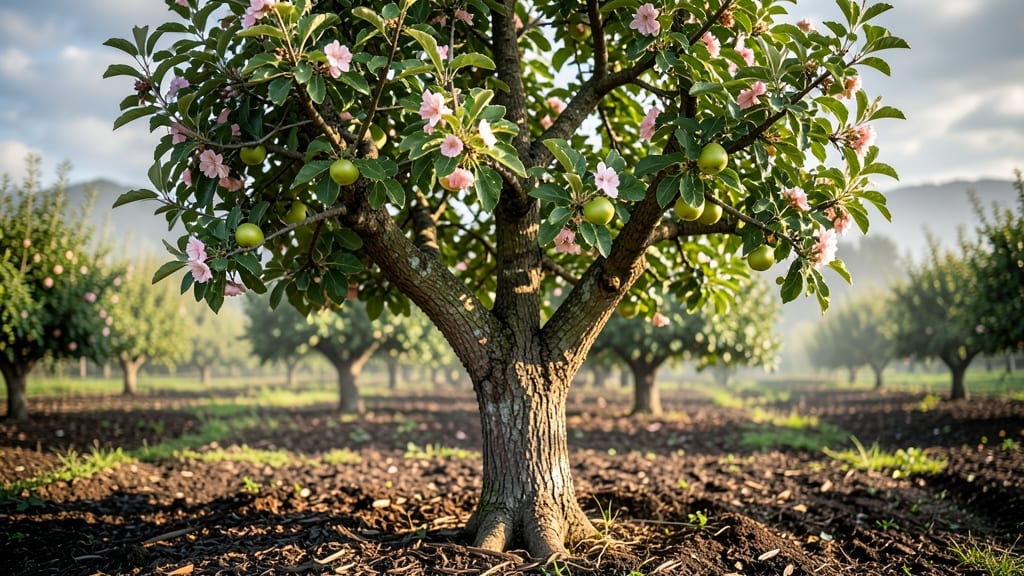
Transforming apple tree flowers 🍎 into fruit isn’t just luck—it’s science, timing, and a few garden tricks you might be missing.
Did you know that only 1-2% of apple tree flowers actually develop into fruit? Understanding the exact pollination triggers can turn your blossoms into a bountiful harvest—here’s how.
From selecting the right pollinator varieties to managing temperature and humidity during bloom, every detail matters. Too much heat or rain during flowering? Your fruit set could drop by half. Even wind plays a role—without it, bees struggle to carry pollen between trees.
In this guide, you’ll learn the critical steps to maximize fruit production, from hand-pollination techniques to fixing common pollination failures before they ruin your harvest. Let’s get those apples growing!
The science behind apple tree flower pollination: key triggers for fruit set
Apple tree flowers are nature’s delicate promise of harvest, but only 1-2% of them ever become fruit. This low success rate isn’t due to poor luck—it’s rooted in biology. Understanding the pollination triggers that convert blossoms into apples is the first step to a fruitful orchard.
The process begins with flower anatomy, where each bloom contains both male and female reproductive parts, but cross-pollination dramatically increases fruit set compared to self-pollination.
Most apple varieties rely on wind or bees to transfer pollen between flowers. Without these pollinators, your tree’s blossoms may drop prematurely, leaving you with sparse fruit. Even with pollinators, temperature and humidity play critical roles—too cold or too wet during bloom can disrupt the process entirely.
For example, ideal pollination temperatures range between 55°F and 75°F (13°C–24°C), while high humidity can cling pollen to flower surfaces, preventing effective transfer.
| Pollination Factor | Optimal Condition | Impact on Fruit Set |
|---|---|---|
| Pollination Type | Cross-pollination (bees/wind) | 3-5x higher fruit set than self-pollination |
| Temperature | 55°F–75°F (13°C–24°C) | Pollen viability drops below 50°F or above 85°F |
| Humidity | 40–60% | High humidity (>70%) can drown pollen |
| Pollinator Activity | Bees active during bloom | Wind-only pollination yields 20–30% less fruit |
| Bloom Overlap | 1–2 weeks of simultaneous flowering | Mismatched bloom times = poor pollination |
The anatomy of an apple flower is key to understanding why some blossoms succeed while others fail. Each flower has 5 petals, 20 stamens (male parts), and a central pistil (female part).
For fruit to develop, pollen from the stamens must land on the pistil’s stigma, triggering fertilization. However, self-pollination (pollen from the same flower) often results in poor-quality fruit or none at all, while cross-pollination between compatible varieties ensures stronger fruit set.
For example, planting a Granny Smith (self-incompatible) near a Honeycrisp (self-compatible) maximizes pollination success.
Bees are the superheroes of apple pollination, carrying pollen efficiently between flowers. A single bee can visit 50–100 flowers per hour, dramatically increasing your tree’s chances of fruit set. If your garden lacks bees—due to pesticide use or urban settings—wind becomes the primary pollinator.
However, wind pollination is less efficient, often resulting in smaller, misshapen apples. To boost wind pollination, prune trees to open the canopy, allowing pollen to drift more freely between branches.
Timing is everything in apple pollination. Flowers typically bloom for 7–10 days, and pollen viability lasts only 24–48 hours after release. If temperatures drop below 50°F (10°C) during this window, pollen production halts, and fruit set plummets.
Similarly, rain during bloom can wash away pollen or clog flower structures, reducing fertilization rates by up to 50%. Monitoring your local 10-day forecast during bloom season helps you prepare for potential pollination disruptions.
Even with perfect conditions, flower drop is natural—apple trees shed 50–70% of blossoms early in the season. This isn’t a failure; it’s the tree’s way of conserving energy for the remaining 30–50% that will develop into fruit. However, excessive drop (beyond 80%) often signals pollination issues.
To encourage stronger fruit retention, ensure your trees receive balanced fertilization (high in phosphorus and potassium) and consistent watering during bloom. Avoid over-fertilizing with nitrogen, which promotes leafy growth at the expense of fruit.
One often-overlooked factor is the role of sunlight during bloom. Apple flowers need direct sunlight for 6+ hours daily to produce viable pollen and sustain pollinators. Shaded trees may have smaller flowers with less pollen, reducing fruit set.
If your tree is in partial shade, consider thinning nearby branches or planting it in a sunnier location next season. Even a 10% increase in sunlight exposure can boost pollination success by 15–20%.
Finally, tree age and health play a hidden role in pollination. Young trees (<3 years old) may produce flowers but lack the energy to support fruit development. Mature trees (5+ years) with a strong root system allocate more resources to pollination, resulting in larger, healthier fruit. Regular pruning in late winter removes dead wood and improves air circulation, which indirectly supports pollinator activity and pollen distribution.
By mastering these pollination triggers—from choosing compatible varieties to optimizing weather conditions—you can transform your apple tree’s blossoms into a bountiful harvest. Start with small adjustments, like planting a second variety or protecting bees, and watch your fruit set soar.
The science is clear: pollination isn’t luck—it’s a system you can control. 🌱🐝🍎
How to maximize fruit set: step-by-step pollination techniques for gardeners
Apple trees rely on precise pollination to transform their delicate blossoms into juicy fruit. Even with perfect growing conditions, only 1-2% of flowers naturally set fruit. The good news?
You can dramatically improve these odds with targeted techniques. Let’s break down the most effective methods to ensure your apple tree flowers become a bountiful harvest.
First, understand that most apple varieties need cross-pollination—meaning you’ll need at least two compatible trees blooming simultaneously. For example, pair a Honeycrisp with a Gala or Fuji for optimal results.
If you’re growing just one tree, choose a self-pollinating variety like Granny Smith or Ambrosia, though yields may still be lower.
📌 Step-by-Step Guide: Apple Tree Flowers to Fruit
For gardeners in urban or suburban areas, consider planting dwarf apple trees near window boxes filled with pollinator-friendly herbs like thyme or oregano. Even small spaces can boost fruit set with the right setup!
If you’re hand-pollinating, work in the early morning when blossoms are fully open and pollen is fresh.
Finally, monitor your trees for pollination success by checking for tiny fruitlets 4-6 weeks after bloom. If you see aborted blossoms (dropping without setting fruit), revisit your pollination methods or check for pest interference like apple blossom weevils.
With these techniques, you’ll transform 1-2% fruit set into a 20-30% success rate or higher!
Pro tip: Keep a pollination journal to track which methods work best in your climate. Note bloom dates, weather patterns, and fruit set percentages year after year to refine your approach. Happy gardening—and may your harvest be plentiful! 🍎