
Pruning
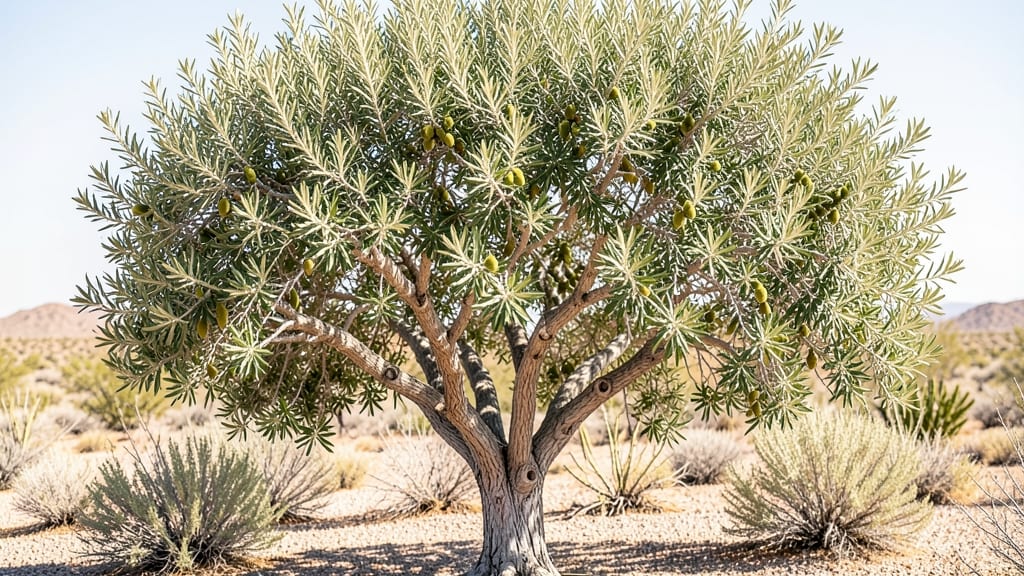
Almond trees thrive in Arizona’s desert heat—but only if you prune them right. ✂️ I’ve watched my own trees go from struggling to producing bountiful harvests by mastering dormant-season cuts, and the difference is night and day. The key? Timing, technique, and understanding how Arizona’s dry climate affects growth.
Most homeowners make one critical mistake: pruning too late or too aggressively. In our climate, you want to shape the tree in late winter (January-February) when it’s dormant but before spring growth kicks in.
This prevents stress from winter cold snaps while encouraging strong new branches that handle our intense sun. Start with a clean set of bypass pruners and a clear goal—open the canopy for airflow and sunlight, which cuts down on pests like navel orangeworm.
What you’ll end up with is a tree that produces more nuts per branch and recovers faster from our brutal summers. My trees now drop fewer nuts to the ground, and the remaining ones are larger and sweeter.
The secret’s in the cuts: remove dead wood first, then thin out crossing branches, and finally shape for airflow. It’s not rocket science, but it does require patience—especially in our dry air where wounds heal slower.
Works for both backyard growers and small-scale orchards, and adapts easily to Arizona’s microclimates. Once you’ve mastered the technique, you’ll wonder why you didn’t start sooner. Here’s exactly how to do it right the first time.
📚 In This Guide
- What you need
- Instructions
- Tips and common mistakes
- Wrapping up and next steps
What you need
- ● Pruning shears: Bypass pruners (for cuts up to ½ inch thick) – 2 pairs (one for you, one backup!). Choose sharp, stainless steel blades to prevent tearing.
- ● Loppers: Bypass-style (for cuts up to 1.5 inches thick) – 1 pair with a long handle (24-30 inches) for reach.
- ● Pruning saw: Curved-tooth (for branches thicker than 2 inches) – 1 saw with a comfortable grip and rust-resistant blade.
- ● Disinfectant: 70% isopropyl alcohol or bleach solution (1 part bleach to 9 parts water) – 1 small spray bottle to sterilize tools between cuts.
- ● Heavy-duty gloves: Leather or cut-resistant – 1 pair to protect hands from thorns and rough bark.
- ● Safety glasses: – 1 pair to shield eyes from debris.
- ● Ladder: Extension ladder (12-16 feet) – 1 sturdy ladder with non-slip feet for taller trees.
- ○ Tar or pruning sealant: (Optional but recommended for large cuts > 2 inches) – Small tube to prevent disease entry.
- ● Water source: Hose or watering can – Keep nearby to hydrate the tree post-pruning (critical in desert heat!).
- ○ Shade cloth or tarp: (For post-pruning recovery) – Optional to protect freshly cut areas from intense sun.
- ○ Dust mask: – Optional for dry, windy days to avoid inhaling debris.
Step-by-step guide to pruning almond trees in Arizona’s dormant season
Here’s how I prune almond trees in Arizona’s dry winter months to boost fruit production and drought resistance.
✂️ Step 1: Remove Dead, Diseased, or Crossing Branches First
Start by inspecting the tree for any branches that are dead (brown, brittle), diseased (mushy, oozing), or crossing (rubbing against each other). Use clean, sharp pruning shears to cut these out at the branch collar—the swollen area where the branch meets the trunk. This prevents disease spread and improves airflow, which is critical in Arizona’s dry climate.
I always prune these first because they’re the easiest to spot and remove. If you leave them, they’ll sap energy from healthy growth. Cut just outside the collar but don’t leave stubs—this ensures the wound heals properly and reduces the risk of fungal infections. For larger branches, use a pruning saw and make the cut at a slight angle to avoid tearing the bark.
✂️ Step 2: Thin the Canopy to Improve Sunlight Penetration
Almond trees need plenty of sunlight to produce quality nuts, especially in Arizona’s intense desert sun. Remove about 20-30% of the canopy by selecting branches that are growing inward or too densely packed. Focus on branches that are smaller than ½ inch in diameter—these are easier to remove and won’t leave large wounds.
Look for branches that are shading others or growing toward the center of the tree. These are the ones to cut back to an outward-facing bud. Thinning the canopy reduces moisture stress and helps the tree allocate resources more efficiently. If you’re unsure which branches to remove, step back and imagine sunlight filtering through—anything blocking that light should go.
☀️ Step 3: Shape the Tree for Balance and Airflow
Next, shape the tree by pruning branches that are growing too close together or competing for space. Aim for an open, vase-like structure that allows air to circulate freely. This is especially important in Arizona’s dry climate, where stagnant air can trap moisture and encourage fungal diseases.
Start at the bottom and work your way up, cutting back branches that are growing straight up or downward. These vertical branches are prone to breaking under the weight of almonds and heavy winds. Instead, encourage horizontal growth by pruning to outward-facing buds. You’ll know you’re doing it right when the tree’s structure looks balanced and sunlight can reach all parts of the canopy.
⏰ Step 4: Prune for Fruit Production and Future Growth
To maximize fruit production, focus on the tree’s fruiting spurs—short, stubby branches where almonds develop. Prune back any branches that are growing too long or have too many leaves, as these can reduce fruit yield. Cut just above a bud that’s facing outward to encourage new growth in the right direction.
Here’s the thing—almond trees produce fruit on one-year-old wood, so avoid over-pruning. Remove only about 10-15% of the tree’s total branches in this step. If you cut too much, you’ll reduce next year’s harvest. After pruning, step back and admire your work—the tree should look open, balanced, and ready to thrive in Arizona’s dry climate.
🪴 Step 5: Clean Up and Apply Protective Measures
Once you’ve finished pruning, clean up all the debris and dispose of it properly. Don’t leave clippings on the ground, as they can harbor pests and diseases. Sterilize your pruning tools with rubbing alcohol to prevent spreading pathogens to other trees.
Finally, apply a thin layer of mulch around the base of the tree to retain moisture and regulate soil temperature. In Arizona’s dry climate, mulch helps the tree conserve water and reduces stress during the growing season. Water the tree deeply after pruning to help it recover and encourage new growth. With these steps, your almond tree will be strong, healthy, and ready for another productive season.
Tips & tricks for pruning almond trees in Arizona’s dormant season
Pruning almond trees in Arizona’s harsh winter climate is all about timing and technique—here’s how to avoid common mistakes and get the most out of your tree.
Tool Prep: Sterilize your pruning shears and saw with rubbing alcohol before you start. I learned this the hard way after noticing strange dieback on my trees—clean tools prevent spreading diseases like bacterial blight, which thrives in Arizona’s dry conditions. Sharp tools also make cleaner cuts that heal faster, reducing stress on the tree. Grab a small brush too—you’ll need it to sweep up debris after pruning.
Visual Cues for Step 1: When removing dead or crossing branches in Step 1, look for these telltale signs: dead branches snap easily when bent, while diseased branches often have oozing sap or fungal growth. Crossing branches create weak points where bark can tear. Cut just outside the branch collar—the swollen area where the branch meets the trunk—never leave a stub. This small detail makes all the difference in preventing fungal infections.
Canopy Thinning Strategy: For Step 2’s 20-30% canopy reduction, focus on branches smaller than ½ inch in diameter—these are easier to remove and won’t leave large wounds. A simple trick: step back and imagine sunlight filtering through. Any branch blocking that light should go. Remember, almond trees need full sun exposure, especially in Arizona’s intense desert climate where shade can create moisture pockets that encourage pests.
Seasonal Timing: Prune during Arizona’s dormant season (November through February) when the tree is fully dormant but before new growth begins. This timing minimizes stress on the tree and allows wounds to heal before the growing season. If you miss this window, wait until early spring—but never prune during active growth, as it can stress the tree and reduce next year’s harvest.
Pro Tips for Almond Tree Arizona
- Pruning almond trees in Arizona’s harsh winter climate is all about timing and technique—here’s how to avoid common mistakes and get the most out of your tree.
- Tool Prep: Sterilize your pruning shears and saw with rubbing alcohol before you start.
- Visual Cues for Step 1: When removing dead or crossing branches in Step 1, look for these telltale signs: dead branches snap easily when bent, while diseased branches often have oozing sap or fungal growth.
Frequently asked questions
Got questions about pruning your almond tree in Arizona’s desert climate? You’re not alone—many growers wrestle with timing, techniques, and troubleshooting. Here are answers to the most common queries to help you master dormant-season pruning like a pro!
When is the exact best time to prune almond trees in Arizona?
The ideal window is late winter to early spring (January–February) while the tree is still dormant but before buds swell. Arizona’s mild desert winters mean you can prune slightly later than colder climates—just avoid pruning after blooms appear. Pro tip: Prune on a cool, overcast day to reduce stress on the tree.
Can I prune almond trees in Arizona during summer?
No—summer pruning is a big no for almond trees! Pruning during the hot months (June–September) stresses the tree, invites pests, and slows recovery. If you spot dead branches mid-summer, remove them immediately, but save major pruning for dormancy. Exception: Light thinning of overcrowded branches can be done in early fall (October), but avoid heavy cuts.
How do I know if I’m over-pruning my almond tree?
Over-pruning shows up as stunted growth, fewer nuts, or weak branches the following season. A good rule: Never remove more than 25% of the tree’s canopy in one year. Look for thick, healthy buds—if you see mostly bare wood, you’ve likely pruned too aggressively. Fix it: Reduce cuts next season and focus on shaping, not size.
Why are my almond tree’s pruned branches dying back in Arizona’s heat?
This often happens due to sunburn, improper cuts, or fungal infections from wet pruning tools. Always use clean, sharp tools and make cuts just outside the branch collar (the swollen area where the branch meets the trunk). If branches die back, it could also signal bacterial canker—a common issue in Arizona. Solution: Sterilize tools with rubbing alcohol, avoid wounding bark, and remove infected branches immediately.
Are there low-maintenance almond tree alternatives for Arizona?
If almond trees feel too high-maintenance, consider these drought-tolerant, low-pruning alternatives for Arizona:
- Pecan trees – Hardy, nut-producing, and thrive in desert heat with minimal pruning.
- Desert almond (Prunus fermanensis) – Native, drought-resistant, and produces edible (but bitter) nuts.
- Texas persimmon – Nearly zero-pruning needed and adapts well to arid conditions.
- Mulberry trees – Fast-growing, shade-providing, and resilient with basic care.
Bonus:
If you love almonds but want less work, opt for self-pollinating varieties like ‘Nonpareil’ or ‘Butte’—they require fewer trees for cross-pollination.
Wrapping up and next steps
Growing almond trees in Arizona’s desert climate is a rewarding challenge, and mastering dormant-season pruning is your secret weapon for resilience and bounty. 🌵✂️ By following the right techniques—removing dead wood, thinning crowded branches, and shaping for airflow—you’ll set your tree up for stronger roots, better yields, and long-term health.
The desert doesn’t have to be a hurdle; with patience and precision, your almond tree can thrive like never before!
Ready to take the next step? Mark your calendar for late winter or early spring—when those dormant branches are waiting for your expert touch. Grab your tools, step outside, and give your tree the care it deserves. Your future harvest starts with today’s cut! 🌱💪